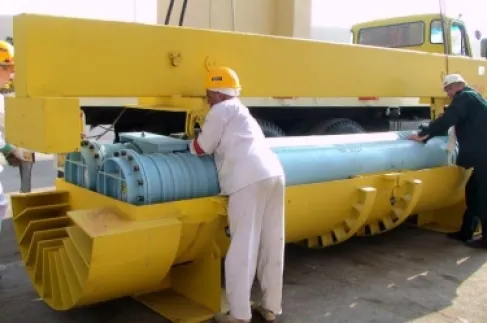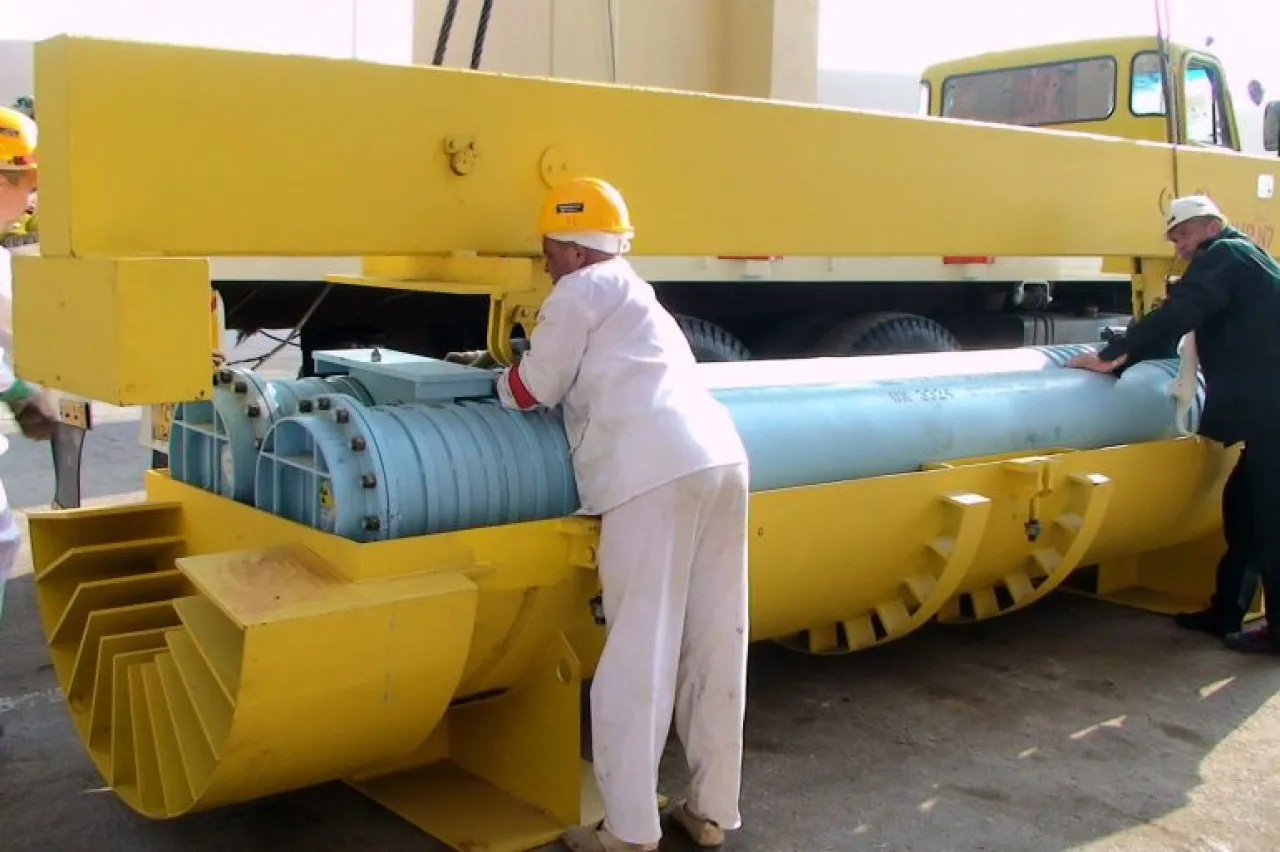
Khaberni - The Russian media agency reported that Kremlin spokesman Dmitry Peskov said on Wednesday that the United States rejected a Russian proposal that involved Moscow managing the entire transportation of Iran's enriched uranium stockpile out of the country, a measure aimed at helping to resolve the crisis in the Middle East.
Russia initially proposed in June to take control of Iran's uranium stockpile, but no action was taken, and the proposal was resubmitted this week, according to news reports.
The Russian media agency reported that Peskov told the Indian channel "India Today" that "Russia is prepared to accept the transfer of Iranian enriched uranium on its territory," adding, "It would be a good decision, but unfortunately, the U.S. side rejected this proposal."
The Russian Deputy Foreign Minister stated last year that Russia was ready to remove the stockpile from Iran and convert it into fuel for civilian reactors, helping to facilitate negotiations.
In response, U.S. news reports cited sources saying that President Donald Trump's administration had ruled out accepting this proposal.
Iran said that any decision will depend on the possibility of reaching an agreement with the United States, including matters related to its nuclear program.
The United States considers Iran's stockpile of enriched uranium and the potential for it to acquire nuclear weapons as one of the reasons for launching attacks on Iran, where President Trump has pledged not to allow it to possess nuclear weapons, which Tehran categorically denies.
According to media reports released last Monday, the United States sought to include a suspension of Iran's uranium enrichment program for 20 years with sanctions relief in a deal to end the war.
In contrast, Iran proposed a suspension of its nuclear activities for five years, according to The New York Times. It had previously ruled out any restrictions on its right to enrich uranium, insisting it is a civilian nuclear program.
However, after the failure of negotiations between Washington and Tehran in Islamabad last Saturday, U.S. Vice President JD Vance left without reaching an agreement, including disputes over opening the Strait of Hormuz and Iran's nuclear program.
Vance stated that Washington clarified its red lines in its discussions with Tehran and that "the ball is now in Iran's court," adding last Monday that on these "two particular issues, the American president asserted there is no room for flexibility."
He continued, "It is easy for Iranians to say they will not possess nuclear weapons, but it is hard for us to put into place the necessary mechanism to ensure that this does not happen."