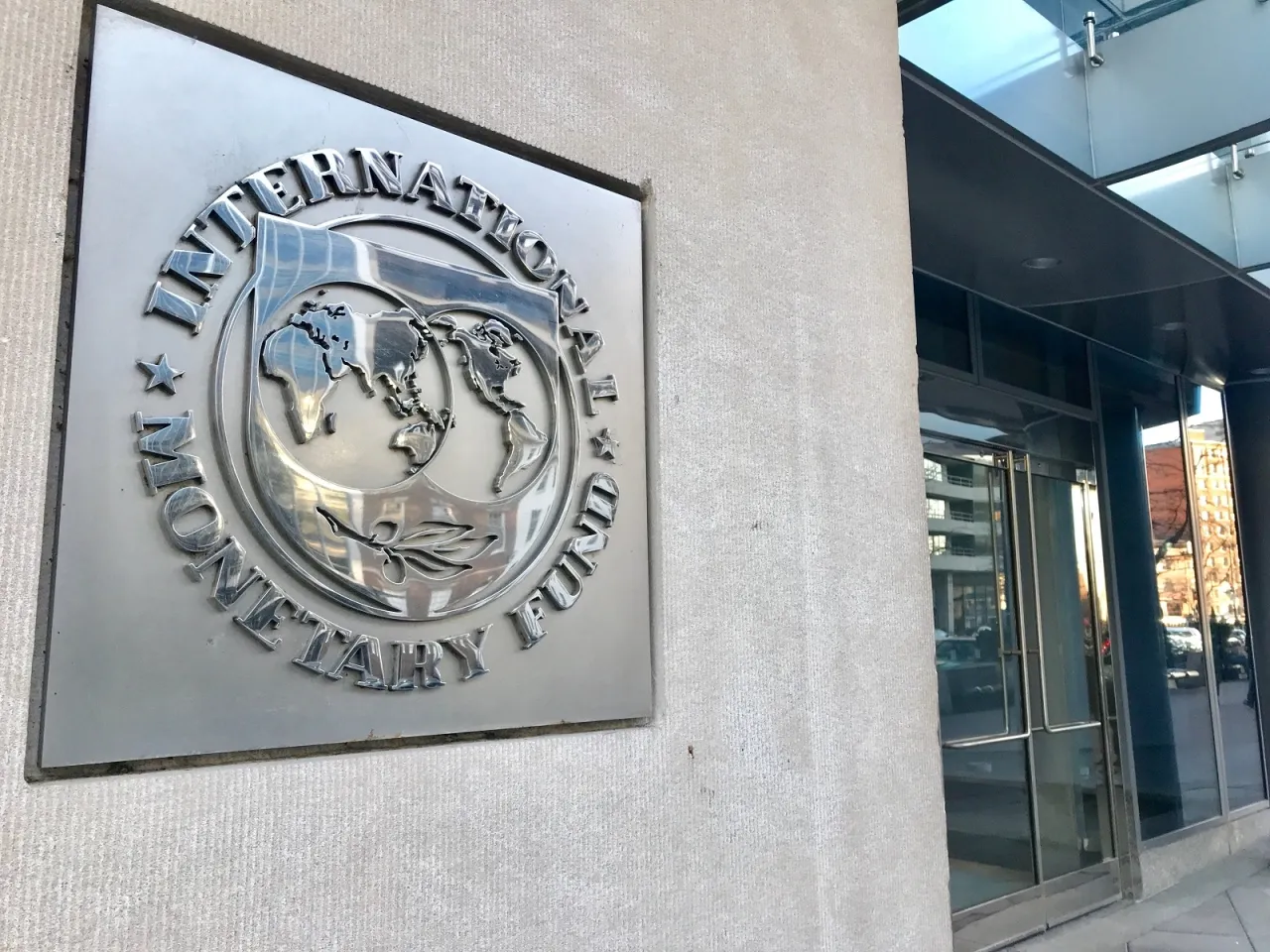
- International Monetary Fund: The Jordanian economy is steadily on the right track, embodying the government’s commitment to sound policies and reforms despite regional security challenges.
- The International Monetary Fund approves at the expert level the fifth review of the Extended Fund Facility and the second review of the Resilience and Sustainability Facility.
- The Jordanian economy’s handling of the regional war atmosphere is based on strong foundations, enabling it to face developments and mitigate their effects.
- The government moved quickly with comprehensive measures to protect the economy, including securing energy and supplies and liquidity, and supporting the most affected sectors.
- Strong foreign reserves and prudent monetary policy enhance monetary and financial stability in Jordan.
- The government commits to reducing public debt to 80% of GDP by 2028, through enhancing revenue and expenditure efficiency.
Khaberni - The International Monetary Fund announced an agreement with the Jordanian government at the expert level regarding the fifth review of the economic reform program supported by the arrangement for the Extended Fund Facility and the second review within the framework of the Resilience and Sustainability Facility.
The head of the expert team at the Fund, Cesar Serra, stated today that the Jordanian economy continued to demonstrate its resilience, supported by the Jordanian government's commitment to prudent macroeconomic policies, alongside strong international support, where real GDP growth reached 2.8% in 2025, with growth momentum boosted at the beginning of 2026.
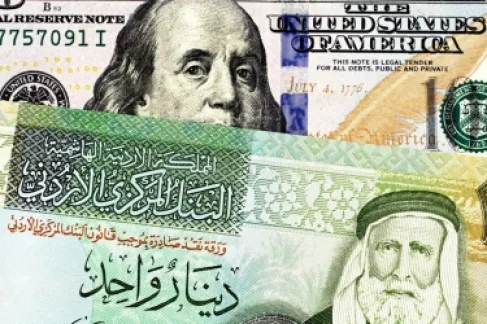
He added that the Central Bank of Jordan succeeded in keeping the inflation rate below 2%, thanks to its firm and continuous commitment to maintaining monetary stability, supported by the large foreign exchange reserves, while the banking sector remained strong, enjoying comfortable levels of liquidity and capital.
He pointed out the measures and actions taken by the Jordanian government to handle the regional war atmosphere and mitigate its economic impact, including rising energy prices, and disruptions in tourism activity while maintaining prudent fiscal and monetary policies.
He noted that these measures included actions to protect energy security, facilitate supply chains, ensure adequate liquidity in the financial markets, and provide targeted support to the most affected groups.
He confirmed that the program's performance remains strong despite the challenging external environment resulting from the war in the Middle East, with all quantitative performance criteria of the fifth review under the Extended Fund Facility being met comfortably, and all structural benchmarks kept on the right track.
He pointed out the Jordanian government's commitment to reducing public debt to 80% of GDP by 2028, by enhancing revenues and expenditure efficiency.
Completing the fifth review under the Extended Fund Facility arrangement will provide about 140 million US dollars, while completing the second review within the Resilience and Sustainability Facility framework will release about 57 million US dollars.
He asserted that structural reforms remain a crucial element in supporting a dynamic private sector capable of achieving stronger growth and creating jobs, referring to the initiatives undertaken by the government to improve the business environment, enhance competitiveness and labor market flexibility, and support the social safety net.
He said that the Central Bank of Jordan, with support from the World Bank, issued detailed regulatory guidelines on climate-related disclosure and reporting, consistent with the 2022 Basel Committee on Banking Supervision guidelines, and in alignment with the standards of the International Sustainability Standards Board.
He mentioned that the fifth review agreement came as a result of in-depth discussions over the past two weeks conducted by a team of experts at the Fund in person and virtually with ministers: the Minister of State for Economic Affairs Mohannad Shehadeh, the Minister of Finance Dr. Abdulhakim Al-Shibli, the Minister of Planning and International Cooperation Zeina Toukan, and the Governor of the Central Bank of Jordan Dr. Adel Sharkas.