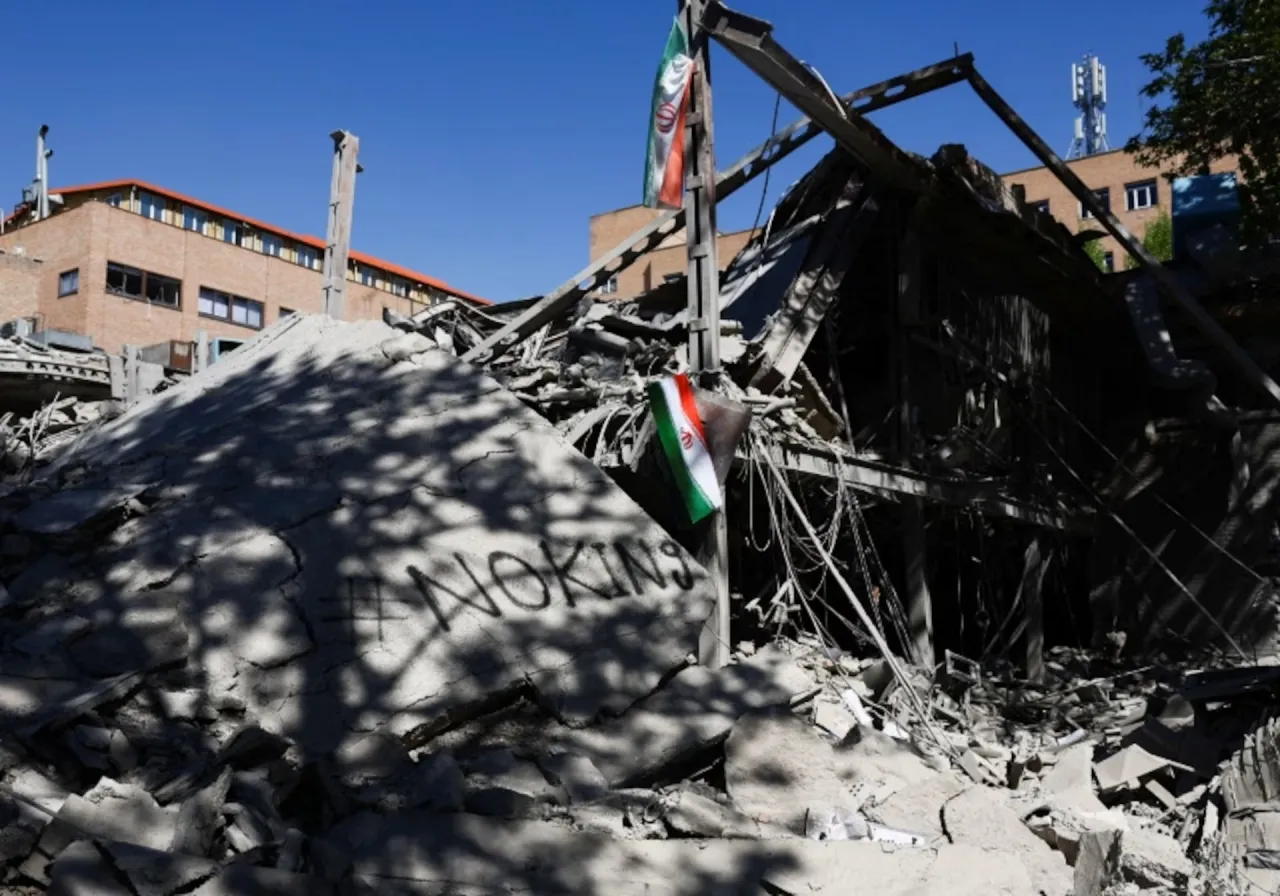
Khaberni - Since its onset in February and up to today, the war has inflicted the Iranian government with losses amounting to about $270 billion, approximately $5.9 billion each day since the beginning of the crisis, according to what was reported by the official Russian news agency "RIA Novosti", quoting the Iranian government spokesperson.
Economic sanctions expert Miyad Maliki has posted an analytical comment on his "X" platform account, discussing the potential economic consequences of imposing a counter American naval blockade in the Strait of Hormuz, asserting that such a move could inflict severe damage on the Iranian economy.
Maliki explained that the blockade could lead to daily losses estimated at around $276 million from exports, alongside a disruption of imports valued at $159 million per day, raising the total economic damage to approximately $435 million daily, or about $13 billion monthly.
He noted that more than 90% of Iran's annual trade, which amounts to about $109.7 billion, passes through the Gulf, making it highly susceptible to any maritime restrictions. He also pointed out that the oil and gas sectors constitute about 80% of the government's export revenues and approximately 23.7% of the Gross Domestic Product.
He clarified that oil exports, which amount to about 1.5 million barrels per day, could completely halt in the event of the blockade, especially with Iran's heavy reliance on Kharg Island, which handles about 92% of crude oil exports, without viable alternatives.
Regarding the petrochemical sector, he mentioned that Iran exported about $19.7 billion over just nine months, roughly $54 million daily, confirming that these exports pass through ports all of which are within the possible blockade range, meaning their complete cessation.
Maliki also predicted an additional loss of about $79 million daily from non-oil exports, due to the disruption of about 90% of the goods movement through the Gulf ports, which account for the larger share of Iranian maritime trade.
He warned that logistical alternatives outside the Strait of Hormuz are very limited, indicating that alternative ports like Jask and Chabahar operate below capacity and can only compensate for a small fraction of the trade volume.
On the import side, he confirmed that the blockade would lead to a severe choke in the flow of basic goods and industrial inputs, at a time when the country is already experiencing a sharp rise in food inflation, which has exceeded 100%, with significant spikes in the prices of basic goods.
He also pointed out that Iran’s oil storage capacity could be filled within just 13 days, which would force the authorities to shut down the wells, potentially causing permanent damage to the oil fields and a future production loss ranging between 300,000 and 500,000 barrels per day.
He also mentioned that the Iranian currency is already experiencing a sharp decline, warning that the complete loss of foreign currency revenues could push the rial into hyperinflation and total collapse.
Maliki concluded his analysis by affirming that the maritime blockade, if implemented, would make the continuation of any long-term conflict economically untenable for Iran, given the massive daily losses and the absence of effective alternatives.