Khaberni - In an effort to enhance the flexibility of its oil exports amidst regional supply disruptions, Iraq is moving to revive a strategic pipeline linking it with Saudi Arabia, which has been inactive for over three decades, in a move that reflects a shift in risk management associated with the closure of the Strait of Hormuz.
The Iraqi Oil Ministry announced today, Tuesday, that it is working on activating alternative export routes, confirming understandings with several parties, including Saudi Arabia, to reactivate the pipeline extending from the city of Zubair in southern Iraq to the port of Yanbu on the Red Sea in western Saudi Arabia, which has been out of operation since 1990.
A spokesperson for the ministry stated that the current policy is based on "not missing any opportunity for oil export," by opening and activating all possible outlets, including existing lines and halted projects, given the Iraqi economy's reliance on oil, which exceeds 90%.
Pipeline Information
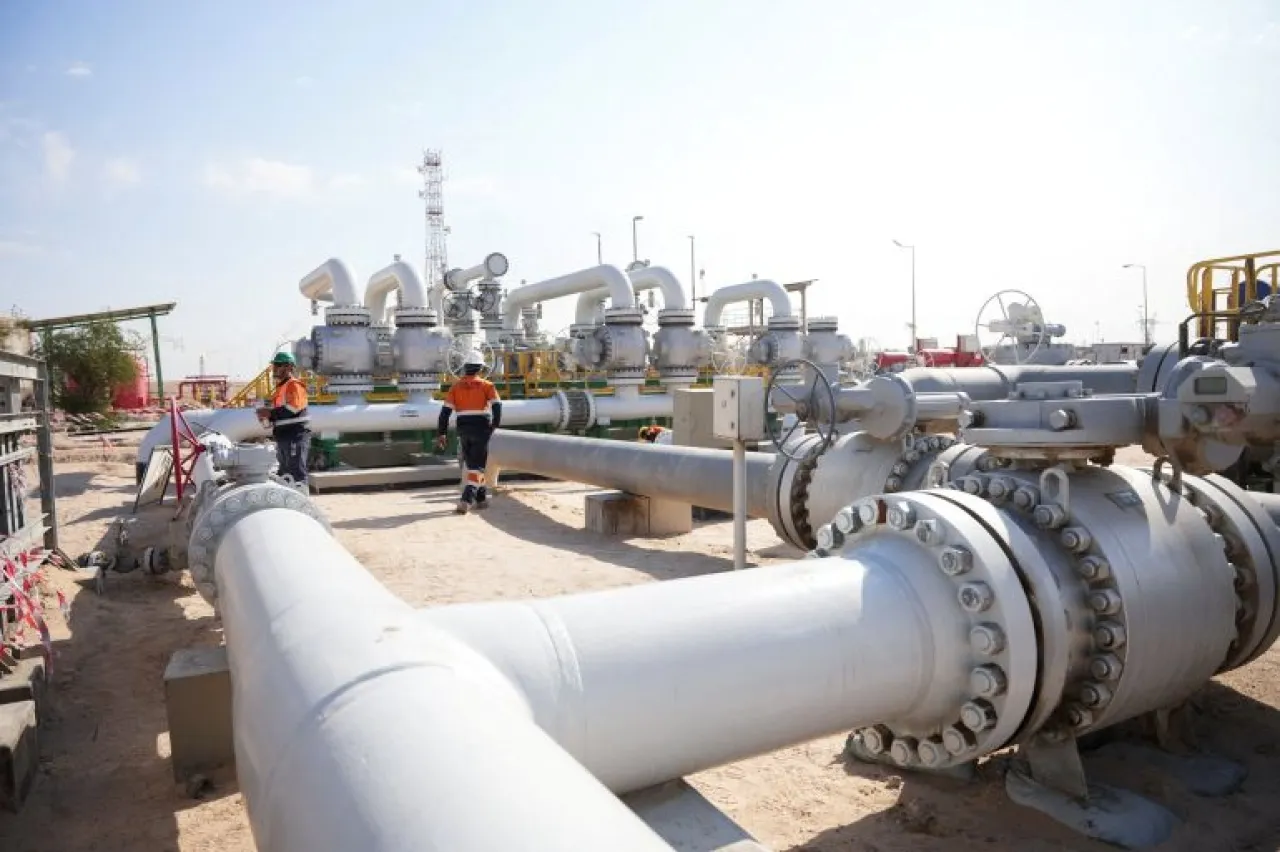
The Iraqi-Saudi pipeline, which stretches for about 1568 kilometers and has an operational capacity of about 1.6 million barrels per day, is one of the most prominent options proposed, providing an alternative outlet for oil export through the Red Sea away from the Arabian Gulf.
The pipeline was established during the 1980s in two stages, before its operation ceased in August 1990, remaining out of service despite Iraqi attempts to reactivate it.
These moves come at a time when Baghdad is seeking to reduce its dependence on threatened maritime routes, as it continues to use alternative outlets such as the Kirkuk-Ceyhan pipeline with Turkey, in addition to exporting some oil products through Syria.
These developments highlight the importance of terrestrial pipelines as strategic alternatives during times of crisis, especially with the decline in navigation through the Strait of Hormuz, prompting oil-producing countries to seek more secure and stable export routes.