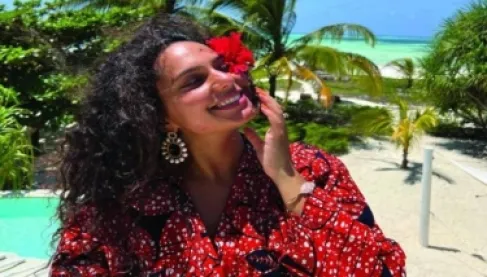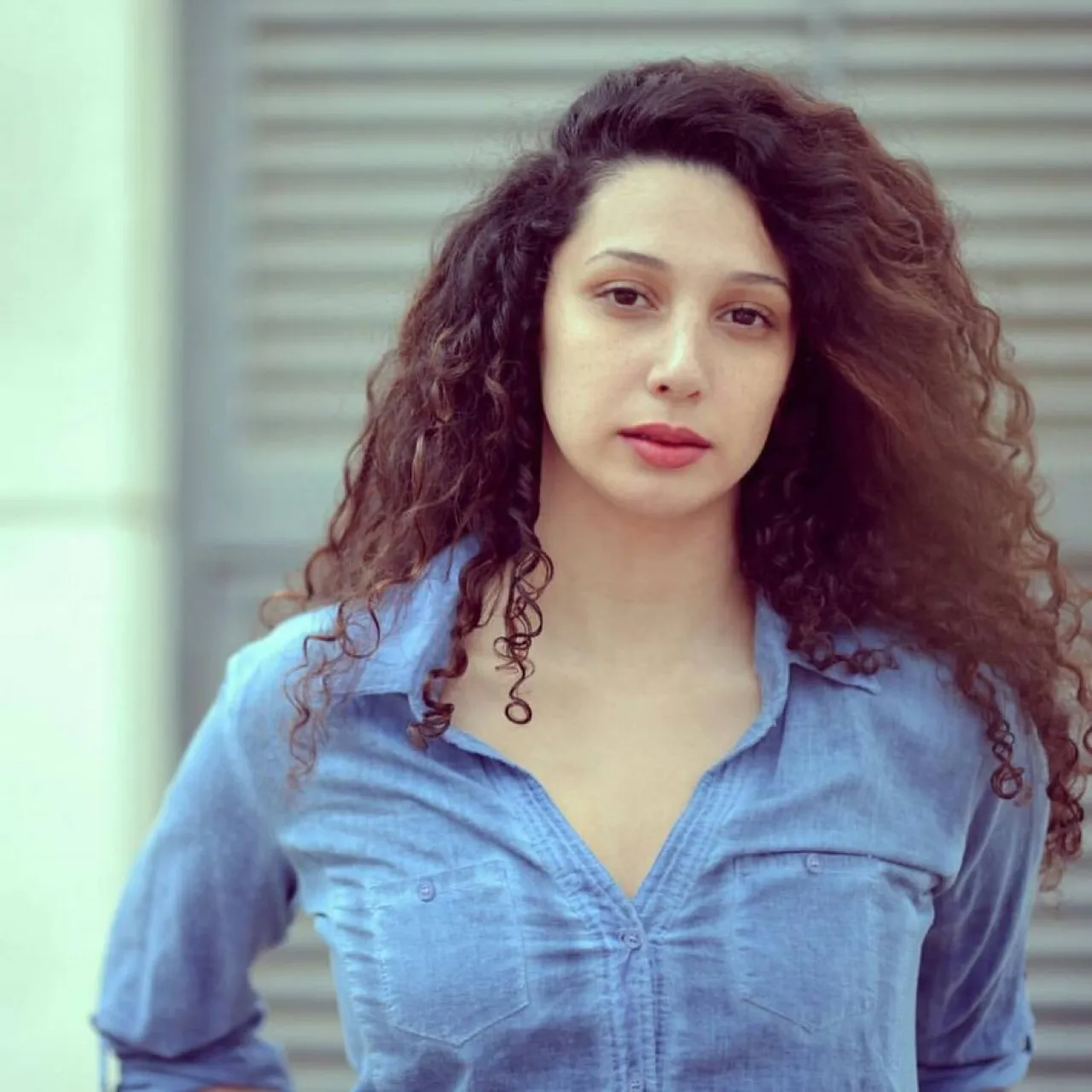
Khaberni - The Israeli newspaper "Yedioth Ahronoth" revealed developments in the case of the well-known artist, Shai Lee Atari, with the appearance of a second complainant, Nama Shahar, who disclosed her exposure to a similar incident by the same suspect.
The original case dates back to 2011, when Atari filed a complaint about being raped in the parking lot of her residential building, but the investigation was closed at that time.
In 2022, the artist revealed details of the incident during her graduation film "One Lamp Light", before the file was reopened in 2025 following an investigative report by journalist Hayim Etgar, which pointed to gaps in the previous investigation and the emergence of other potential victims.
Last weekend, Nama Shahar gave her testimony on the program "Ulpan Shishi", reporting that she had filed a similar complaint against the same suspect, related to an incident in October 2022.
The police are expected to summon the suspect to complete the investigations, a move that could bolster the criminal case, but it may also delay the finalization of the decision to issue an indictment.
These developments coincide with an intense legal debate about the permissibility of publishing the suspect's name. After the Tel Aviv Magistrate's Court denied the artist’s request to publish the name, the District Court allowed it with a "delay in execution" to enable the suspect to appeal.
The latter submitted a request to the Supreme Court, warning of a deterioration of his mental state and the possibility of committing suicide if his identity is disclosed.
Judge Alex Stein was assigned to prepare a psychological report to resolve the matter.
Israeli law mandates the publication of suspects' names, but allows the court to prohibit publication if it results in "severe unusual harm," such as the risk of suicide.
The courts examine each case individually, especially with names spreading over social media platforms, where unauthorized publication remains illegal and could subject the violator to criminal and civil accountability.
If the Supreme Court decides to maintain the publication ban, the decision remains subject to review when circumstances change, such as the filing of an indictment, which would automatically end the ban unless the court orders otherwise.
The "suicide risk" debate is expected to resurface at any subsequent stage, making the final decision dependent on a delicate balance between public interest and protecting the rights of the suspect.