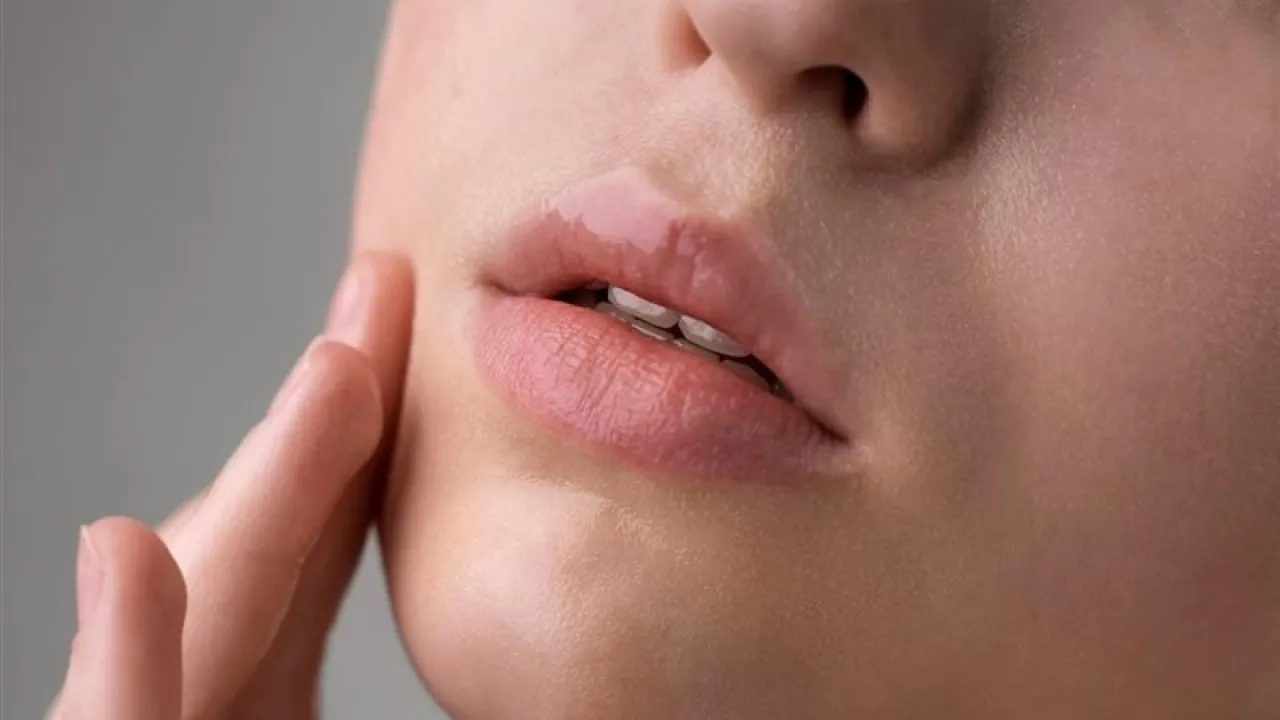
Khaberni - Lip color change might seem minor at first, but it often hides more details than we might think. Interestingly, this common cosmetic issue in the Arab world is not linked to just one factor, but rather is due to a combination of lifestyle, daily care, and sometimes hidden health indicators.
Learn why lip pigmentation occurs, and how it can be addressed thoughtfully through smart care and modern treatments?
What is Lip Hyperpigmentation?
Medically known as hypermelanosis, it is a common condition characterized by darkening of the lips or the appearance of dark spots due to increased melanin production. This change can be temporary or permanent, affecting either the entire lips or parts of them. It occurs due to the following factors:
*Environment and Lifestyle: Environmental factors play a major role in lip pigmentation. Continuous exposure to sunlight without protection stimulates melanin production, leading to gradual darkening. Similarly, smoking directly affects lip color due to its impact on blood vessels and pigment cells. In addition, certain daily habits such as licking lips and neglecting their hydration weaken their natural barrier, making them more susceptible to pigmentation. Some cosmetics or toothpastes can also cause irritation leading to color changes over time.
*Medical and Dietary Causes: In some cases, lip pigmentation is linked to internal factors. A deficiency in vitamin B12 and iron are common causes in this area, as well as hormonal disorders or certain medications playing a role in stimulating melanin production. Pigmentation can also appear after repeated infections or sensitivities, which requires special attention from a dermatologist.
*The Need for Medical Consultation: While most cases of lip pigmentation are not alarming, there are some indicators that require a dermatologist's review, notably: sudden appearance of pigmentation, changes in the shape or size of dark spots, a condition not improving despite care, and accompanying symptoms such as pain or flaking.
Available Treatment Options:
Treatments depend on the cause and severity of pigmentation, and include:
• Topical creams with bleaching agents such as vitamin C or azelaic acid.
• Chemical peel sessions to stimulate cell renewal.
• Using laser technologies that precisely target pigmentation.
• Using modern ingredients such as tranexamic acid to reduce melanin production.
Results of these treatments typically vary depending on the type of pigmentation. Topical treatments usually need several weeks to show results, whereas laser sessions might provide faster improvement. However, achieving lasting results requires commitment to the treatment along with prevention, especially sun protection.