Khaberni - Eggs are among the most controversial foods in the world of nutrition, especially with the continued belief that their yolk may increase the risk of heart disease due to its cholesterol content, leading some to avoid it and settle for just the egg whites.
However, this belief is increasingly facing scientific revision, as experts confirm that the relationship between consuming egg yolk and heart health is not that simple.
In this context, Dr. Manan Vora clarified that linking egg yolk to heart attacks is one of the most prominent "nutritional myths."
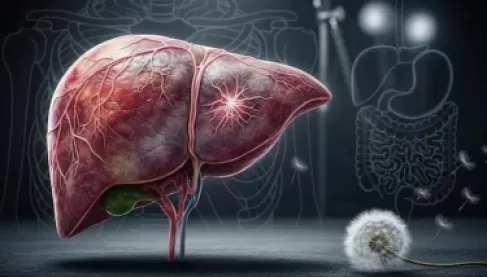
Vora explained that the liver produces between 70 to 80% of the cholesterol in the body, noting that consuming dietary cholesterol – like from eggs – does not necessarily lead to increased blood levels, as the body typically regulates its internal production to maintain balance.
He added via his Instagram account that consuming eggs in moderation is not associated with a significant increase in the risk of heart disease for most healthy people, dispelling concerns about egg yolk for a wide segment of the population.
On the other hand, eggs are presented as a nutritious option, with a single egg containing about 70 to 75 calories, in addition to about 6 grams of high-quality protein that provides all the essential amino acids needed for muscle building and repair.
The benefits are not limited to protein, as eggs also contain a wide range of vitamins and minerals, such as vitamins A, D, and B12, folic acid, iron, and selenium, along with choline, which plays an important role in supporting brain functions.
Eggs are also notable for containing antioxidants like lutein and zeaxanthin, which contribute to enhancing eye health and protecting cells from damage.
Therefore, experts indicate that eggs are one of the most nutritionally complete natural foods, making them a suitable choice in a balanced diet, emphasizing the importance of moderation and avoiding inaccurate nutritional concepts.