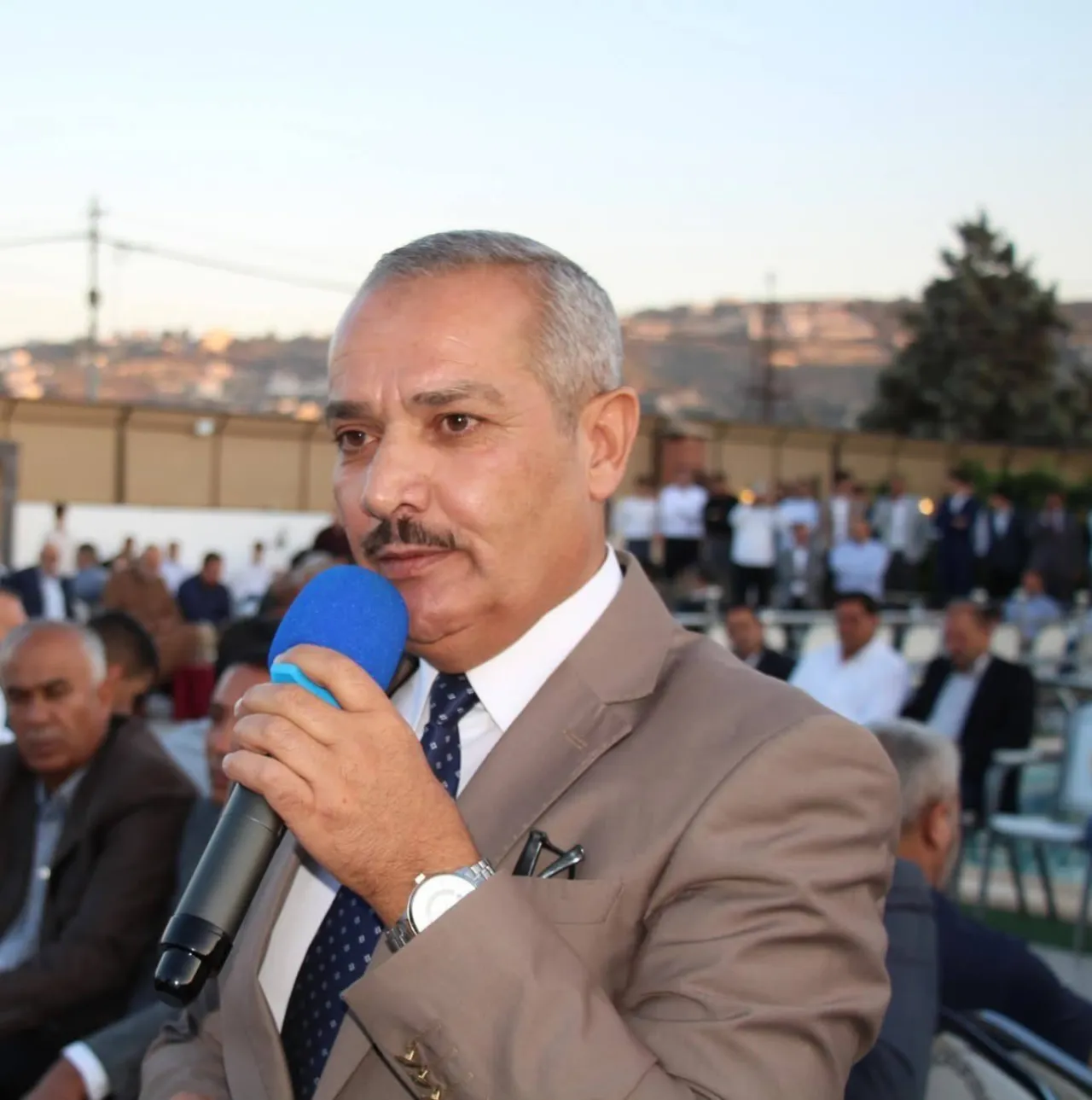
Rushing to issue judgments makes accusation the easiest thing to do, and the arena becomes open to interpretations not based on evidence as much as on popular suspicion. In such a situation, the Honorable Deputy Andrei was placed at the heart of a political and media storm from the very first moment the Social Security Law amendments were proposed, as if the man had moved in some eyes from a representative of the people to an unfaithful party in the law amendments.
It has been said a lot, and perhaps more than should have been said. It was said that the timing was intentional and that Ramadan was nothing but a cover for passing what could not be passed in broad daylight. It was said that the worrying regional circumstances were exploited to distract public opinion and that the parliamentary committee was merely a tool for executing the government's will. Amidst these circumstances, a simple truth was overlooked: legislative work, by nature, involves negotiation, and the deputy does not have the power to make a decision as significant as a law that affects a broad segment of Jordanians on his own.
With the postponement of the law amendments, a different scene is revealed as proof that the executive and legislative national institutions are still capable of self-review, and that the decision was not fate descending from the sky, as some depicted it. In this context, the innocence of Deputy Andrei emerges, not through defense speeches, but through a process that ended with caution, which contradicts the idea of rushing that all the accusations were built upon.
Rushing to issue judgments harms individuals and undermines trust in institutions, shifting the public discourse to a field of skepticism.
The issue is not about Deputy Andrei himself, but about the political culture and the public awareness among some people.