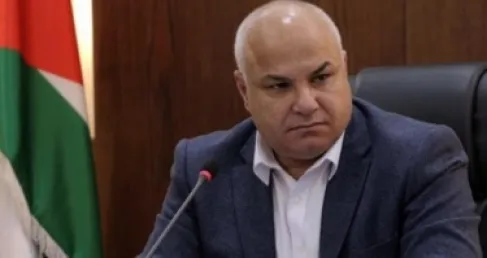
Khaberni - Minister of Energy and Mineral Resources Dr. Saleh Al-Kharabsheh said: “What has been achieved in the energy rationalization file so far still falls short of ambitions”.
The Minister stressed the importance of intensifying institutional and legislative efforts to establish a culture of energy efficiency, in line with the vision for economic modernization, and to contribute to increasing productivity and generating employment opportunities.
He said: “Jordan still faces challenges in energy use efficiency, as the energy intensity index records levels 20% to 25% higher than the global average, reflecting a waste in the national energy bill.”
Al-Kharabsheh, during the launch of the national campaign for energy consumption rationalization yesterday in cooperation with the Jordan Engineers Association and in the presence of the Association's President Eng. Abdullah Asim Ghoshe, stated that “rationalizing energy consumption forms the primary entry point for achieving energy security.”
The energy intensity index, according to Al-Kharabsheh, is a measure that quantifies the amount of energy consumed to produce one unit of gross domestic product.
The Minister also announced the restructuring of the ministry by establishing a directorate specialized in energy efficiency and operating according to the national energy efficiency plan approved by the cabinet, with continued coordination with the Engineers Association to ensure the sustainability of these efforts.
Al-Kharabsheh said: “The results of the energy audit projects conducted by the Fund for Renewable Energy and Energy Rationalization enabled savings of up to 20% in some factories, and up to 50% in some hotels, including those in Petra.”
For his part, Ghoshe confirmed that the regional circumstances and the accelerating challenges in the energy sector have pushed the rationalization file to the forefront of national and engineering priorities, explaining that the current phase requires redefining the approach to resource management and enhancing their efficiency to improve Jordan’s capacity to adapt to changes in energy markets.
He added “Achieving energy efficiency requires deepening institutional work and integrating rationalization concepts in all stages of engineering work, from preparing designs and plans, through energy audit processes, to implementing sustainability standards in buildings and facilities, ensuring reduction in loss and achieving tangible savings in consumption.”
Ghoshe emphasized that energy efficiency is no longer a technical option but a national necessity directly linked to energy and economic security, and contributes to enhancing the competitiveness of productive sectors, stressing the importance of continuously updating technical codes and systems to keep pace with global developments.
He also mentioned that energy rationalization represents a strategic tool for reducing costs and enhancing the efficiency of the national economy.
He clarified that the Association continues to enhance partnership with the Ministry of Energy and the Energy Efficiency Fund, alongside intensifying training programs for engineers on the latest energy efficiency and renewable energy technologies, ensuring the development of innovative engineering solutions that support rationalization goals.
The campaign targets all categories of energy consumers, encompassing government, industrial, commercial, and educational sectors, as well as residential users, through a graduated approach that combines speedy implementation and sustainable impact.
The measures include improving operational efficiency in facilities, reducing unnecessary loads, and managing demand during peak times, as well as implementing simplified energy auditing programs to enhance system efficiency, especially in the areas of air conditioning and lighting.
The campaign also includes building a sustainable institutional system by developing and adopting national energy efficiency standards, and gradually implementing sustainable solutions taking into account economic and social realities.
As part of awareness spreading, the campaign includes conducting specialized seminars and workshops, distributing educational materials in universities and schools, producing digital content through social media platforms, along with broadcasting guidance messages, in cooperation with official entities, the private sector, and experts, thus enhancing the role of youth in instilling a culture of energy consumption rationalization.