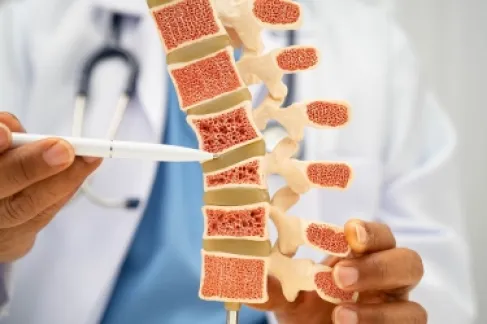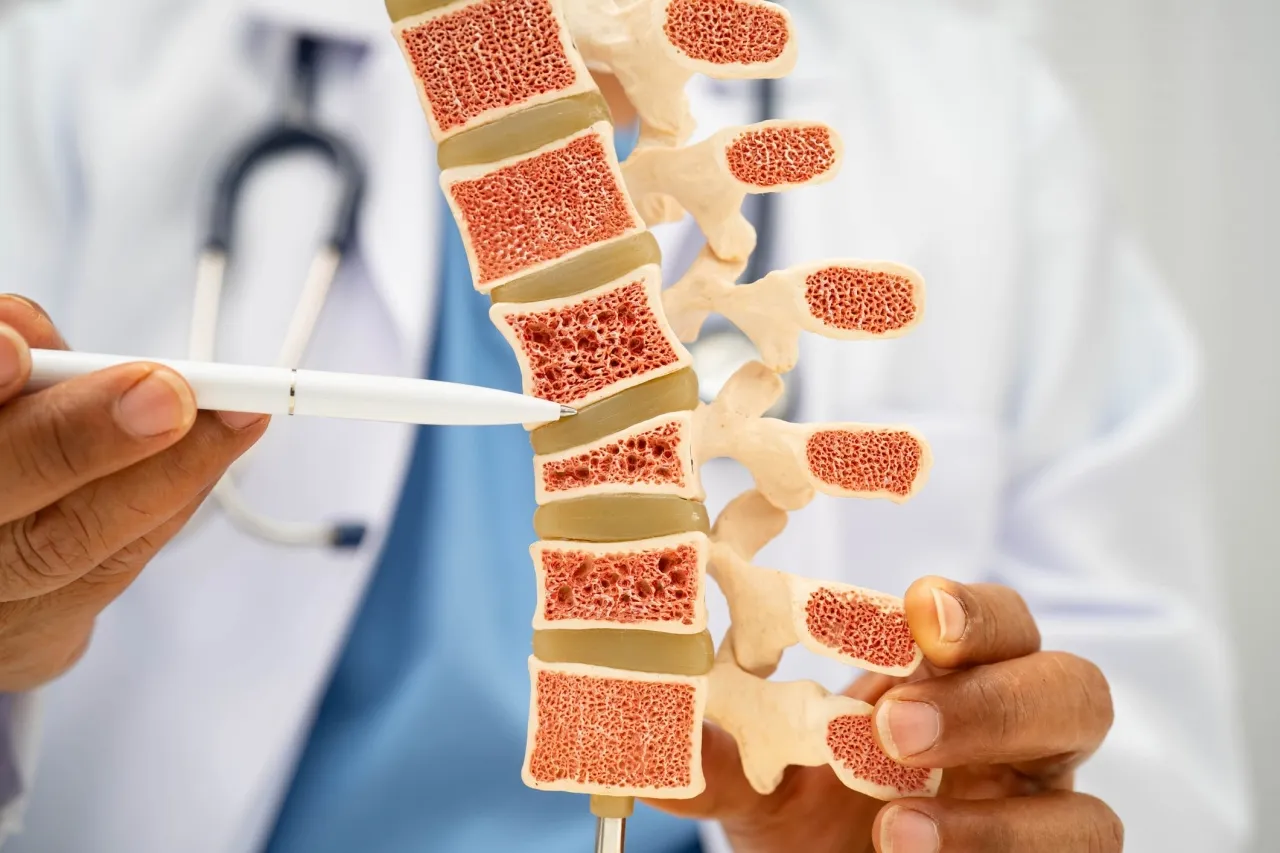
Khaberni - As we age, bone density gradually decreases, increasing the risk of osteoporosis and fractures, yet simple lifestyle changes can greatly reduce these risks.
In this context, a report on the Verywell Health website states that maintaining bone health after the age of fifty depends on a set of daily factors, most notably nutrition and physical activity.
Data show that getting adequate amounts of calcium and protein is essential for supporting bone structure, and consuming nutrient-rich vegetables is linked to reduced risk of falls and fractures.
Habits That Directly Affect Bone Strength
Research indicates that smoking negatively affects bone renewal balance and increases the risk of fractures, especially in the hip area. Alcohol consumption is also linked to decreased bone density and increased likelihood of falls.
Conversely, physical activity, especially resistance exercises such as weightlifting or using body weight, enhances bone density and strength, in addition to improving balance and reducing the risk of falls.
Fall prevention also plays a pivotal role, as home accidents are among the leading causes of injuries in the elderly, necessitating precautions such as improving lighting and using support aids during movement.
Despite these benefits, the impact of these measures varies from one person to another, and genetic factors and overall health condition also play a role in determining bone strength.
In the end, adhering to a healthy lifestyle, including good nutrition and continuous movement, can form the first line of defense in maintaining bone strength as we age.