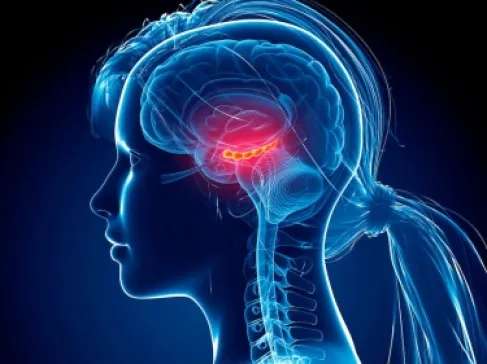
Khaberni - A recent study has revealed that THC, the active ingredient in cannabis, significantly affects memory functions among users, by disrupting its fundamental mechanisms of encoding, storing, and retrieval.
Creating memories that never happened
Dr. Kari Cutler of Washington State University explained that this substance "hijacks" the nervous system known as the endocannabinoid system, which leads to excessive and unregulated stimulation of brain receptors, resulting in an impaired ability to remember fine details, along with a tendency for the brain to rely on what is known as "familiarity", where gaps are filled with general or familiar information instead of actual facts.
The study also pointed out a malfunction known as "source memory", where individuals have difficulty identifying the source of the information they remember, whether it was from a book, a picture, or a direct experience.
The study included 120 participants, and the results showed that about 70% of them experienced a decline in memory performance during the effect of the substance.
A significant increase in "false memories" was recorded, as their number doubled compared to the group that received a placebo, a phenomenon the researchers attributed to a change in judgment standards among individuals, making them more receptive to inaccurate information.
Regarding influencing factors, the study highlighted differences according to gender and method of consumption, where inhalation leads to faster and more severe effects compared to ingesting the substance through foods.
Despite these results, the researchers confirmed that the effect of cannabis on memory is less severe compared to alcohol, noting that these effects are often temporary and reversible, as memory can regain its normal efficiency after stopping use for about a month.