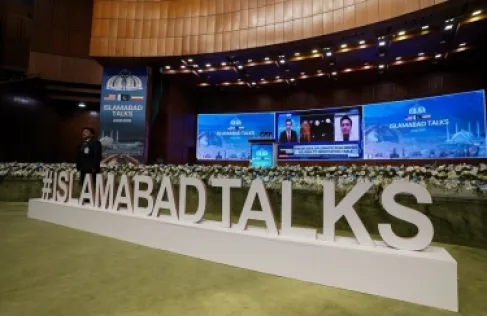
Khaberni - Iranian officials disclosed that the issues of reopening the Strait of Hormuz, the fate of Iranian uranium, and Tehran's demand for the release of its frozen assets remain unresolved in negotiations with Washington in Islamabad.
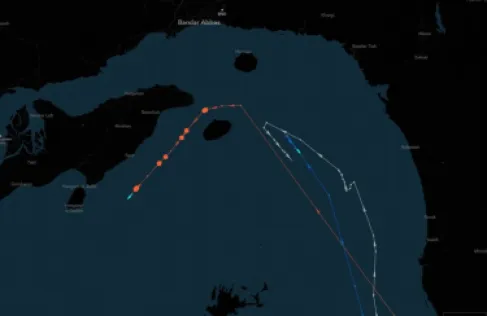
The "New York Times" reported from Iranian officials familiar with the discussions that "by dawn Sunday, three major sticking points remained: reopening the Strait of Hormuz, the fate of almost 900 pounds of highly enriched uranium, and Iran's demand for the release of about 27 billion dollars of frozen oil revenues held abroad."
Officials added that "Iran refused to relinquish its control over the Strait of Hormuz, insisting it would only do so after reaching a final peace agreement."
They explained that "among the other points of contention was President Trump's demand for Iran to surrender or sell its entire stock of highly enriched uranium. Iran proposed a counteroffer, but the parties failed to reach a compromise."
Officials noted that the leader of the Iranian negotiation delegation, the Speaker of the Parliament Mohammad Bagher Ghalibaf, met face to face with the U.S. Vice President JD Vance, who led the U.S. delegation, and shook hands, and the talks were "friendly and quiet."
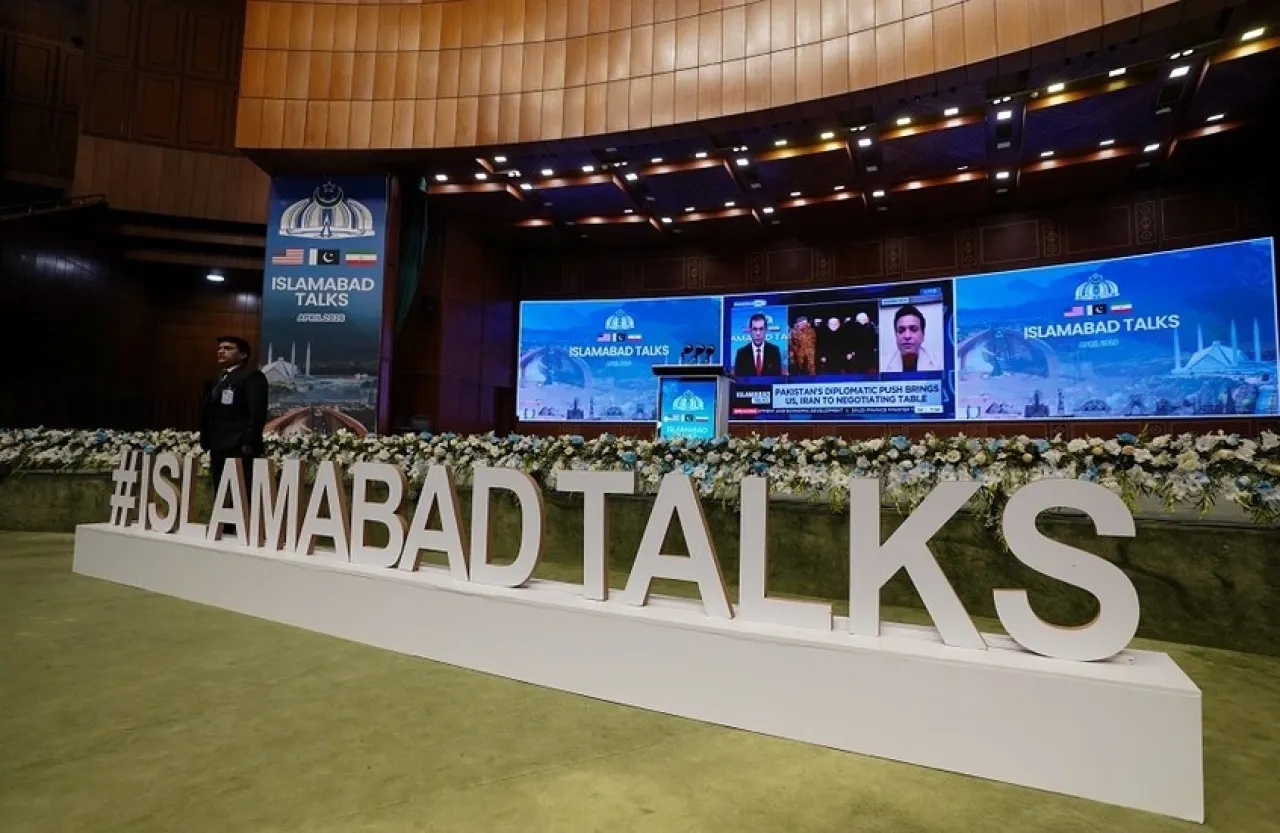
The Iranian-American negotiations held in Islamabad ended at dawn on Sunday without reaching an agreement.
The spokesman for the Iranian Foreign Ministry, Esmaeil Baghaei, announced that understanding was reached with Washington on a number of issues, although an agreement was not achieved.
He confirmed that communications and consultations would continue between Iran, Pakistan, and "other friends," indicating ongoing diplomatic efforts despite the stalled negotiations.
Meanwhile, U.S. Vice President JD Vance announced the failure to reach an agreement with Iran, affirming that Washington would not compromise on its red lines and that the ball is now in Tehran's court.
He stated in a press conference following the negotiations: "We have been working on this for 21 hours and have had a number of substantive discussions with the Iranians.. That's the good news. The bad news, however, is that we have not reached an agreement, and I believe this is far worse for Iran than it is for the United States."