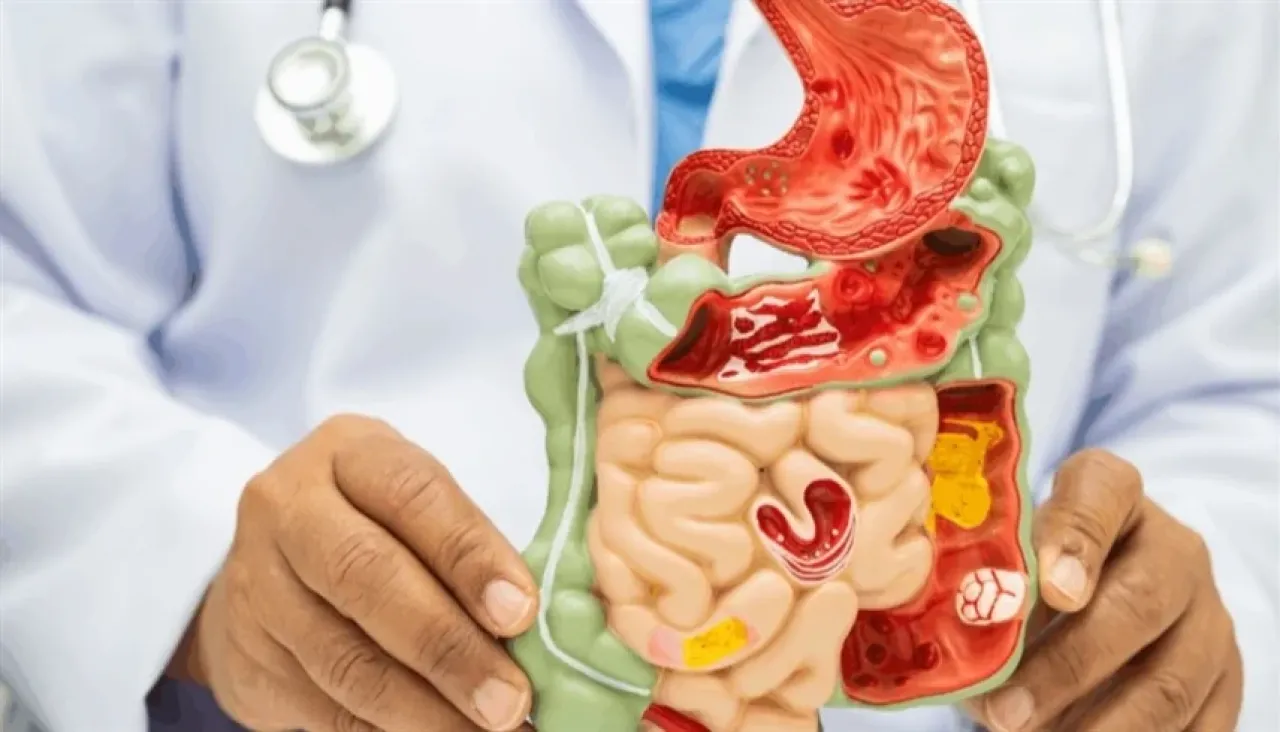
Khaberni - The human intestines harbor more than 100 trillion microorganisms that perform functions that far exceed digestion, extending to impacts on immunity, inflammation, and possibly the development of the cancer cells themselves.
Dr. Mingyang Song, associate professor of clinical epidemiology and nutrition at the Harvard School of Public Health, leads a group of research studies aiming to identify dietary and microbiome-based strategies to prevent and treat cancer.
Song's latest views come in preparation for his lecture at the annual meeting of the American Association for Cancer Research (AACR 2026).
Population studies and clinical trials
In his research, Dr. Song combines monitoring dietary patterns of large population groups over decades with precise clinical trials measuring the effect of food on immunity.
This approach aims to transform general statistical observations into confirmed biological facts. Song explains: "We identify correlations through population studies, then confirm them with clinical trials," ensuring this integration builds a reliable research pathway that links food quality to the mechanisms of genuine cancer prevention.
Coffee and bacteria: An unexpected alliance
There's a surprise in Song's recent research; coffee is not just a morning drink, but a significant modifier of the microbiome, according to "technologynetworks."
Song and his team published a study in the journal Nature Microbiology that revealed consuming coffee induces substantial, highly specialized shifts in the gut microbiome composition, particularly in the proportion of Lawsonibacter asaccharolyticus bacteria that contribute to metabolizing coffee compounds.
Song asserts that "coffee has a very specific and substantial impact on the microbiome," resolving a long-awaited mystery by finally linking coffee drinking to a decreased likelihood of cancer through a clear biological mechanism, after it was merely unexplained statistical observations.
Remapping early detection of colon cancer
Current models for early detection of colon cancer rely on demographic, genetic, and lifestyle factors, which are useful but incomplete.
Song believes that models integrated with microbiome data are capable of "capturing additional signals not present in current screening tools," which might reveal microbial signatures associated with inflammation or early tumors, uncovering risks not detected by conventional examinations, confirming that these tools complement rather than replace the existing system.
Tailored nutrition: Ambition versus reality
Song confronts public enthusiasm with a dose of reality, acknowledging that designing a "customized" diet for each person based on their gut bacteria is still far from clinical application.
He frankly says: "We are still very far" from providing individual dietary advice, simply because of the "lack of studies that monitor how changes in bacteria affect the development of cancer over many years."
To bridge this gap, his team analyzes data from the "Nurses' Health Study II," which tracked microbiome samples from thousands of participants over a long period, aiming to understand when and how dietary changes actually begin to impact the disease course in reality.
Techniques that accelerate understanding of the unknown
Song refers to metabolomics and proteomics as critically important tools, as they "provide a functional reading of the microbiome" revealing how microbial activities affect the host's metabolism and immune pathways.
At the same time, he emphasizes that machine learning has become indispensable for integrating complex, multifaceted data, as "it helps in integrating extremely complex data to identify patterns more precisely."