Khaberni - The body's need for protein changes with age, a fact that many may not be aware of, especially when relying on general recommendations that do not take age differences into account.
A report on the “Verywell Health” website indicates that older adults may need higher amounts of protein compared to traditionally recommended rates, with recent recommendations ranging from 1 to 1.2 grams per kilogram of body weight, compared to just 0.8 grams in the general guidelines.
Data show that this difference can be significant in practice; for instance, a person weighing about 61 kilograms may need between 61 and 74 grams of protein daily, instead of just about 49 grams according to old recommendations.
Why does the need increase?
Studies indicate that muscles become less responsive to protein with age, a condition known as "anabolic resistance," which means the body needs a larger amount to stimulate muscle building and maintenance.
Moreover, loss of muscle mass begins relatively early, then accelerates between ages 40 and 80, with the body potentially losing between 30% to 50% of its muscle mass. These changes are associated with a decline in strength and mobility, impacting independence and quality of life.
Results from some studies show that people who consume higher amounts of protein retain greater muscle mass, as the risk of age-related muscle loss in women was reduced by 35% to 50% compared to those who consume lower amounts.
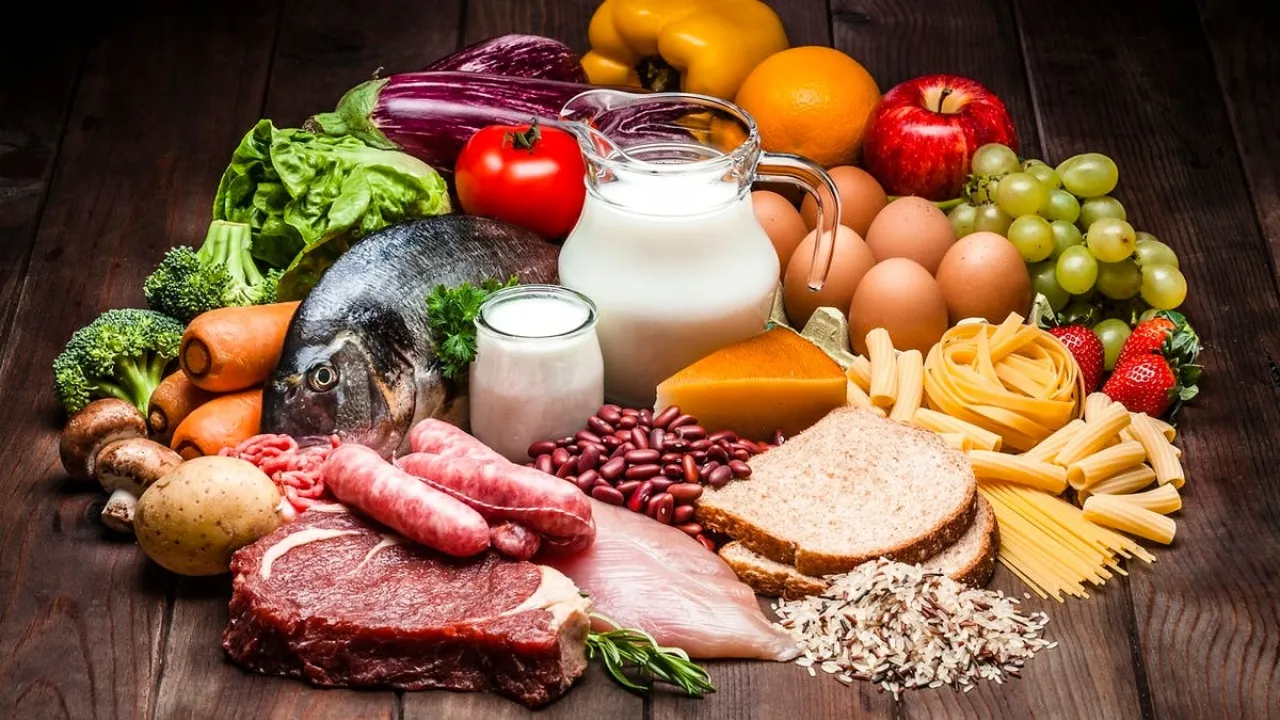
Nevertheless, protein needs remain individual, varying according to health status, activity levels, and dietary goals, making general recommendations a starting point rather than a fixed rule. Also, increasing protein does not mean relying on just one source; it is preferable to vary it between animal and plant sources, such as lean meats, legumes, and dairy products.
Ultimately, increasing protein intake with age reflects a dietary strategy to support muscles and maintain activity, but it remains part of a comprehensive lifestyle that includes physical movement and nutritional balance.