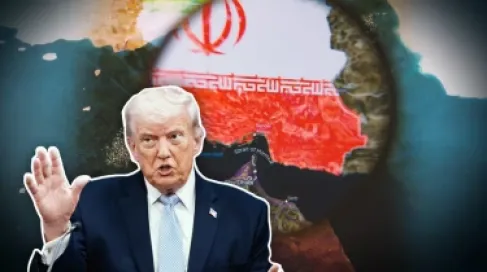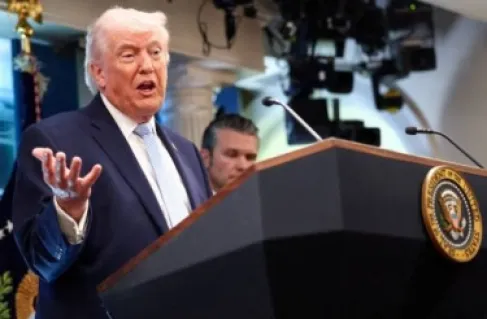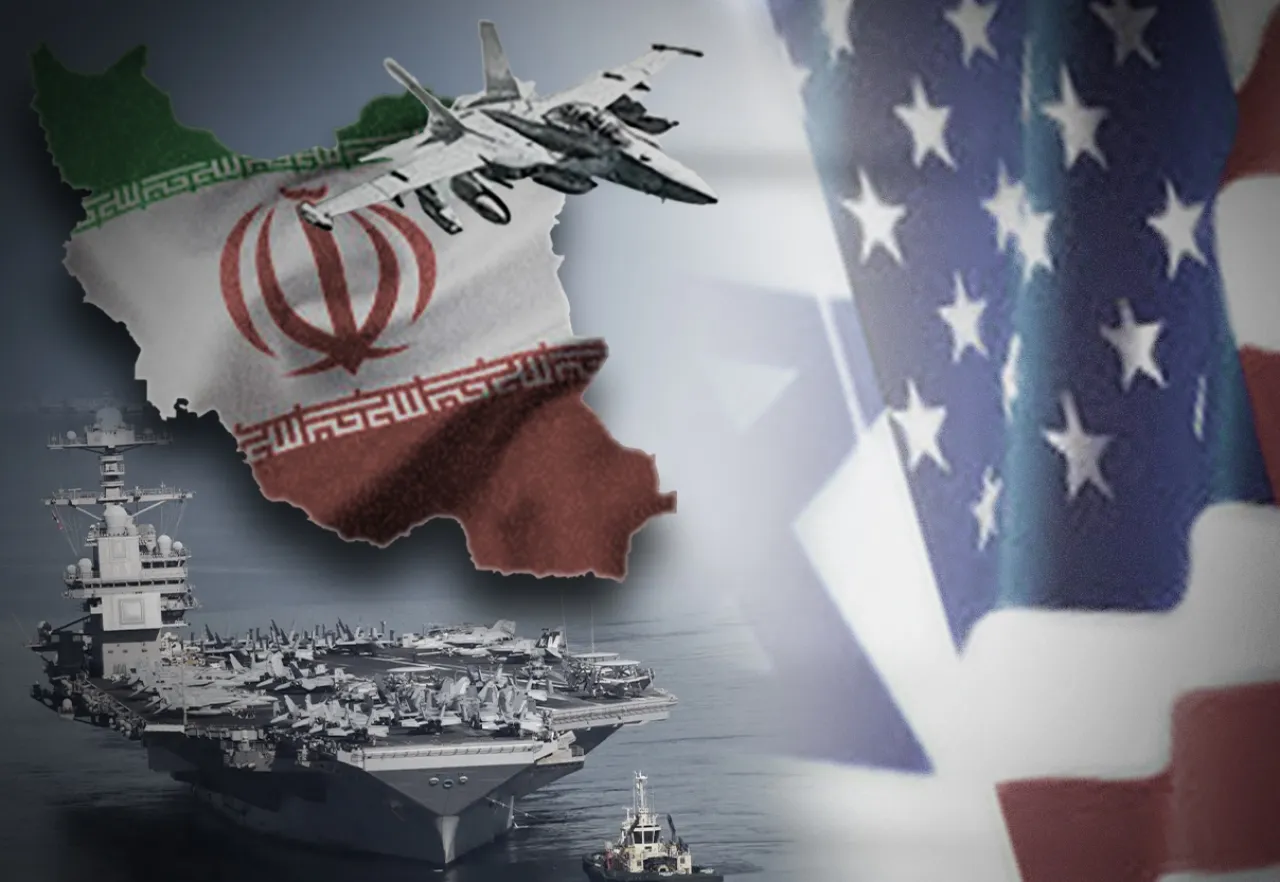
Khaberni - The New York Times revealed exciting details described as leaks from within meetings of the administration of former U.S. President Donald Trump, before the decision to attack Iran, in a scene that reflects the scale of disagreements and divergences within the corridors of decision-making.
According to the report, Israeli Prime Minister Benjamin Netanyahu arrived at the White House in total secrecy, entering in a black car away from the eyes of the press, in an unusual step for a foreign official, before heading straight to the Situation Room.
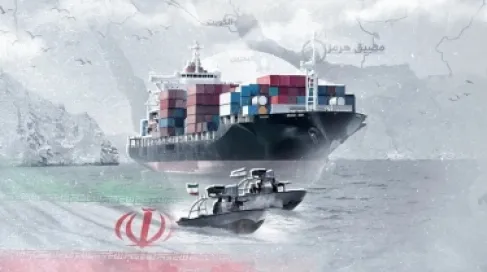
During the meeting, Netanyahu presented a briefing that lasted about an hour, with the participation of officers from the Mossad and the Israeli army via screens, who confirmed that Iran could be defeated quickly. The presentation included a plan to destroy Iran's ballistic missiles, prevent Tehran from closing the Strait of Hormuz, as well as inciting internal protests aimed at overthrowing the regime, supported by Mossad agents, and concluded with a video presentation of potential leaders for Iran after the regime's fall, including Reza Pahlavi.
However, the Israeli proposition was met with widespread skepticism within the American administration. Central Intelligence Agency Director John Ratcliffe described the regime change scenario as "ludicrous," while Secretary of State Marco Rubio considered the plan "absolute nonsense."
Vice President J.D. Vance warned that the war would be a "bad idea" and could lead to regional chaos, although he ultimately confirmed his support for Trump's decision. Meanwhile, the chairman of the Joint Chiefs of Staff, General Dan Ken, warned that the Israeli side was overestimating its capabilities, cautioning against the risks of closing the strait and depleting military resources.
The leaks indicated that most members of the administration expressed concerns related to rising fuel prices and negative media repercussions ahead of the midterm elections, in addition to the decision contradicting Trump's electoral promises not to engage in wars in the Middle East.
In a notable development, Trump made a call to media personality Tucker Carlson, who warned him that the war could destroy his presidency, though Trump confidently responded: "Everything will be alright," adding: "Because it always is."
Despite all the warnings, Trump dismissed the doubts, considering the proposal "looks good," saying: "I think we need to do this," confirming that the issue of regime change "is not our problem," and that Iran "will surrender before closing the strait."
At the end of the discussions that took place on the 26th, Trump gave the green light to the operation saying:
"Operation Epic Fury is approved. No aborts. Good luck."