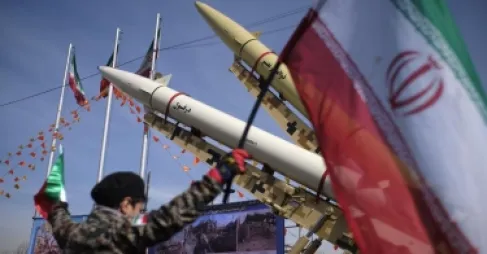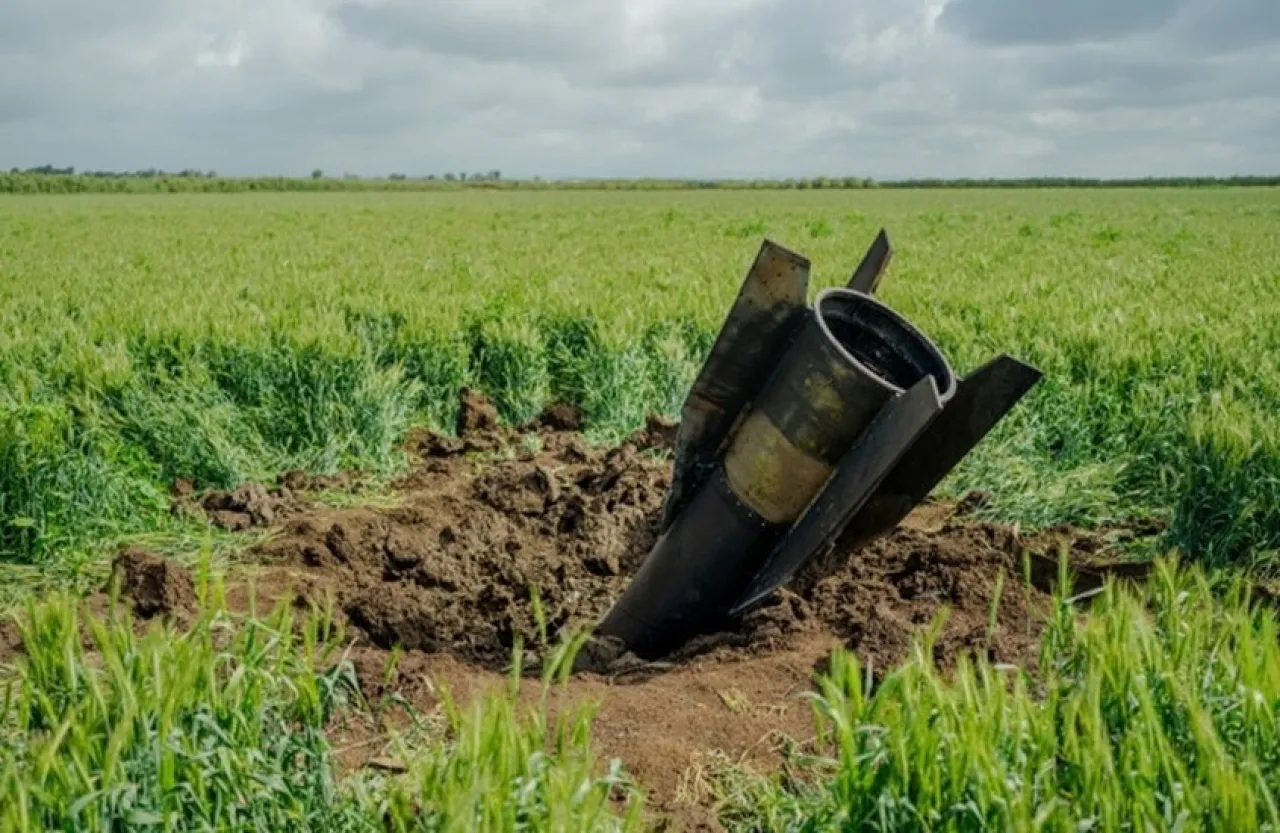
Khaberni - New U.S. intelligence assessments indicate that Iran still maintains a massive arsenal of thousands of ballistic missiles, even as the White House claims that the regime's military capabilities have been "functionally destroyed".
This report appears at a critical stage as U.S. envoys prepare for high-stakes negotiations in Islamabad aimed at securing a permanent ceasefire and reopening the Strait of Hormuz.
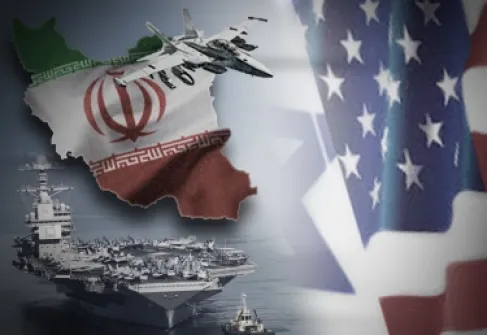
While the Trump administration has continued over weeks to carry out dozens of air strikes in conjunction with Israel and claimed to destroy Iran's defense industrial base, intelligence analysts warn of the "regime's remarkable ability for innovation".
Current assessments indicate that "despite the destruction or blockade of more than 50% of Iranian mobile launchers due to strikes at mountain tunnel exits, many remain repairable or hidden in deep underground complexes".
U.S. War Secretary Pete Hegseth recently described the Iranian missile program as "exhausted and destroyed", but Israeli officials point out that Iran still possesses more than 1,000 medium-range missiles, nearly half of its stockpile before the war.
Investors view the remaining "striking capability" as a continued risk premium on regional energy assets, as even a dissolved Iranian force could target shipping in the Gulf or U.S. facilities if diplomatic talks in Pakistan fail.
The success of the upcoming negotiations, led by Vice President J.D. Vance, Steve Witkoff, and Jared Kushner, is likely to hinge on Iran's demands for the lifting of primary and secondary sanctions.
Analysts at the Center for Strategic and International Studies (CSIS) suggest that even with a fraction of its former power, Iran remains a "dominant actor" in Gulf security. The outcome of the ongoing talks is seen as the significant "bilateral event" of the second quarter of 2026.
It is noted that the U.S.-Israeli strikes on Iran began on February 28, 2026, targeting military, nuclear, and missile facilities. Trump announced a two-week truce with Iran on April 8.
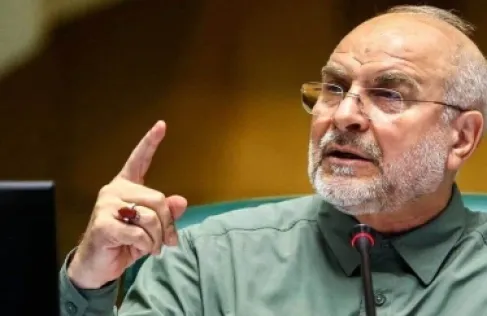
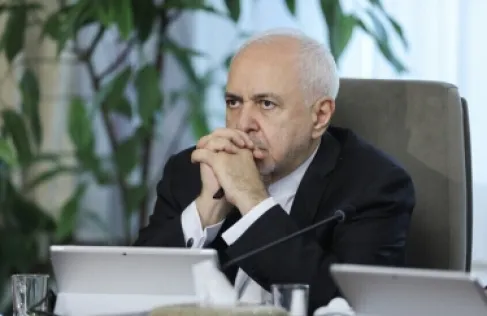
Islamabad is currently hosting negotiations between an Iranian delegation headed by Parliament President Mohammad Bagher Ghalibaf and a U.S. delegation led by J.D. Vance, amid warnings from President Trump that failure of the talks would prompt Washington to use its "best ammunition" against Tehran.