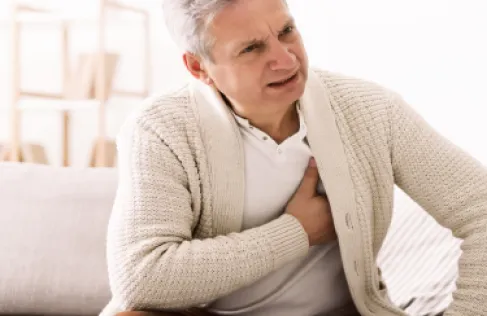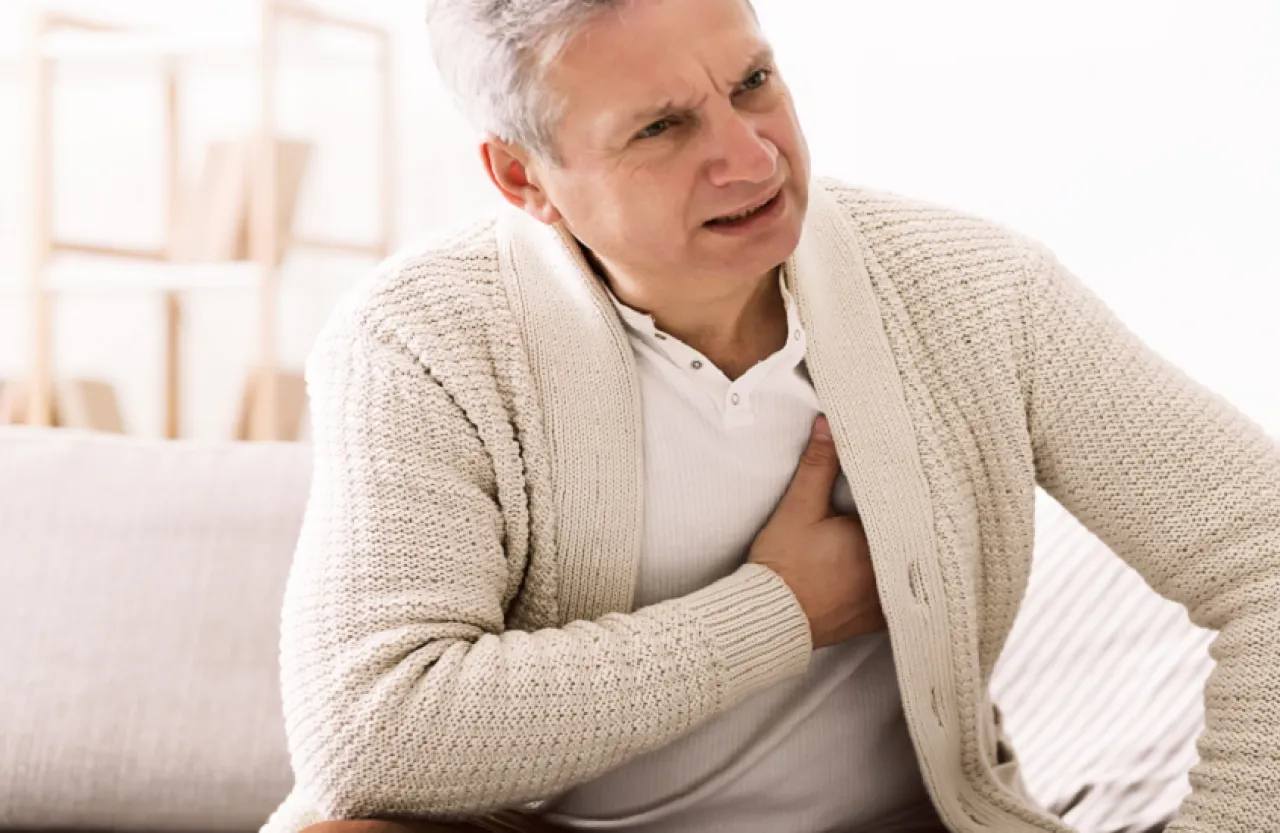
Khaberni - Doctor Alexander Myasnikov explains types of chest pain that are not related to the heart, and explains when to pay attention to chest pain to avoid overlooking heart attack cases.
Doctor Alexander Myasnikov indicates that chest pain can appear in many forms. For example, the problem may be caused by reflux esophagitis, where the patient feels a burning sensation behind the sternum. In this case, it is advised not to lie down and to avoid certain foods. Panic attacks can also cause disturbing symptoms in the chest, which can be treated through breathing exercises and visits to a psychotherapist.
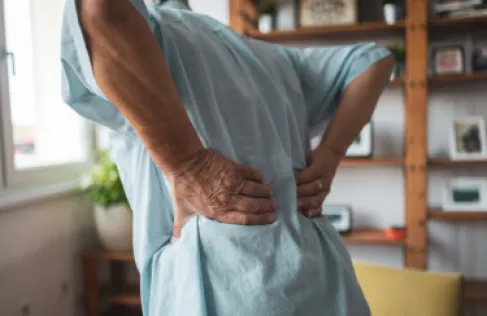
Thoracic nerve pain can cause sharp and fleeting pain when coughing or taking a deep breath or sneezing, sometimes accompanied by numbness. To reduce the severity of the pain, it is advised to avoid sudden movements and use local anti-inflammatory medications.
The doctor also indicates that all these symptoms may also coincide with a heart attack. He says: "Why have doctors globally moved away from the clinical definition of angina and myocardial infarction? Because the type of pain is not important, but who experiences it. For example, women suffer from 40-45% of atypical symptoms, and all these symptoms may appear on them, yet they suffer heart attacks. And sometimes the person feels nothing at all, but an EKG shows a large scar."
When is chest pain a sign of a heart attack?
According to Myasnikov, any suspicious pain should be attended to, especially in people who suffer from high blood pressure, reduced kidney function, or high cholesterol levels.
He adds: "In foreign hospitals, there are specialized departments for chest pain, where heart problems are diagnosed in about 30% of cases, while 70% of patients suffer from pain or a tingling sensation. Doctors ask about risk factors such as smoking, alcohol consumption, blood sugar and cholesterol levels, kidney and blood pressure issues, genetics, and unhealthy weight. It turns out that 10% of them suffer a panic attack and leave, while the remaining 60% undergo tests for cholesterol and sugar levels, in addition to tests to detect heart issues using special enzymes released from the dead heart muscle called troponins, which are considered indicators of acute heart muscle damage. However, the problem is that these enzymes may start to rise after eight hours, or even after a full day."
Myasnikov emphasizes not to ignore heartburn, as cases have been subsequently diagnosed as severe angina. He adds: "There are many causes of chest pain, including tuberculosis, pulmonary embolism which is accompanied by shortness of breath and palpitations, heartburn, thoracic nerve pain, and more."
Therefore, the doctor emphasizes the importance of not ignoring warning signs and consulting a doctor immediately, as it could save the patient's life.