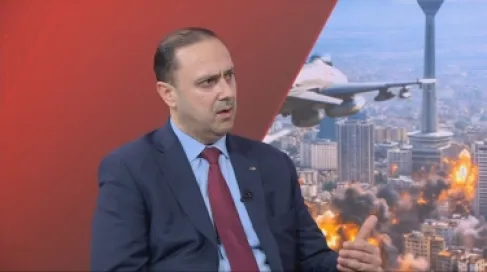
Khaberni - Former minister and constitutional expert Dr. Noufan Al-Ajarma confirmed that the provision in item (d) of Article (13/f) of the Education and Human Resources Development Law Draft, stating that the ministry's decisions related to general exam procedures and outcomes are conclusive and not subject to challenge before any judicial or administrative authority, is—in its part about barring judicial appeals—a text in violation of the constitution; it directly infringes upon the right to legal proceedings and the principle of legality and rule of law.
Al-Ajarma said that there is no dispute that the reasons provided by the Minister of Education to limit administrative objections to the results of the General Secondary Education Certificate (Tawjihi) are based on legitimate practical and organizational considerations aimed at stabilizing legal standings and expediting result announcements, which falls within the scope of the administration's discretionary power in organizing its procedures. However, this differs fundamentally from the issue of immunizing decisions from judicial oversight; constitutionally, the legislator does not have the authority to block judicial jurisdiction or prevent individuals from appealing administrative decisions. The right to litigate is a fundamental constitutional right, courts are open to all, and it cannot be hindered or diminished.
He added that this legislative amendment has no legal value, as it contravenes Article (5/a/7), which entrusts the administrative court with the authority to review: appeals submitted by any aggrieved parties concerning the annulment of final administrative decisions, even if they are immunized by the law enacted."
Al-Ajarma clarified that this is a clear text confirming that any legislative immunization of an administrative decision does not prevent it from being subject to the administrative court's oversight, rendering any attempt to immunize Tawjihi decisions from judicial appeal legally ineffective and subject to nullification in court.
He explained that it is necessary to distinguish between the permissibility of organizing or restricting administrative objections, and the impermissibility of immunizing decisions from judicial oversight.
The former falls within the scope of administrative appropriateness, while the latter directly clashes with established constitutional principles, primarily the right to litigation and the principle of the administration being subject to the law.