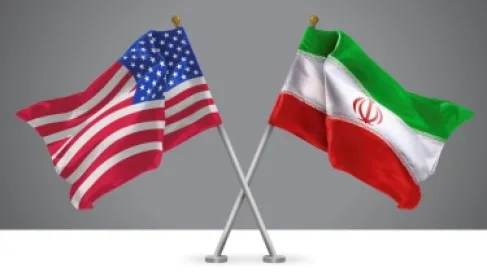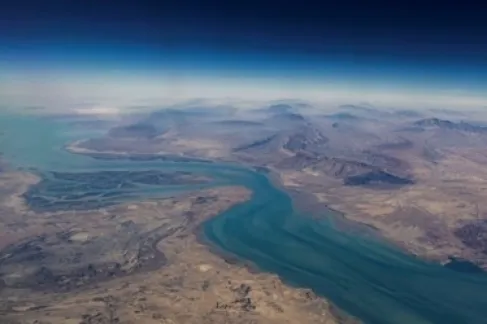
Khaberni - Bloomberg agency reported that shipowners are urgently trying to understand the details of the ceasefire agreement between the United States and Iran, which may temporarily allow the reopening of the vital Strait of Hormuz.
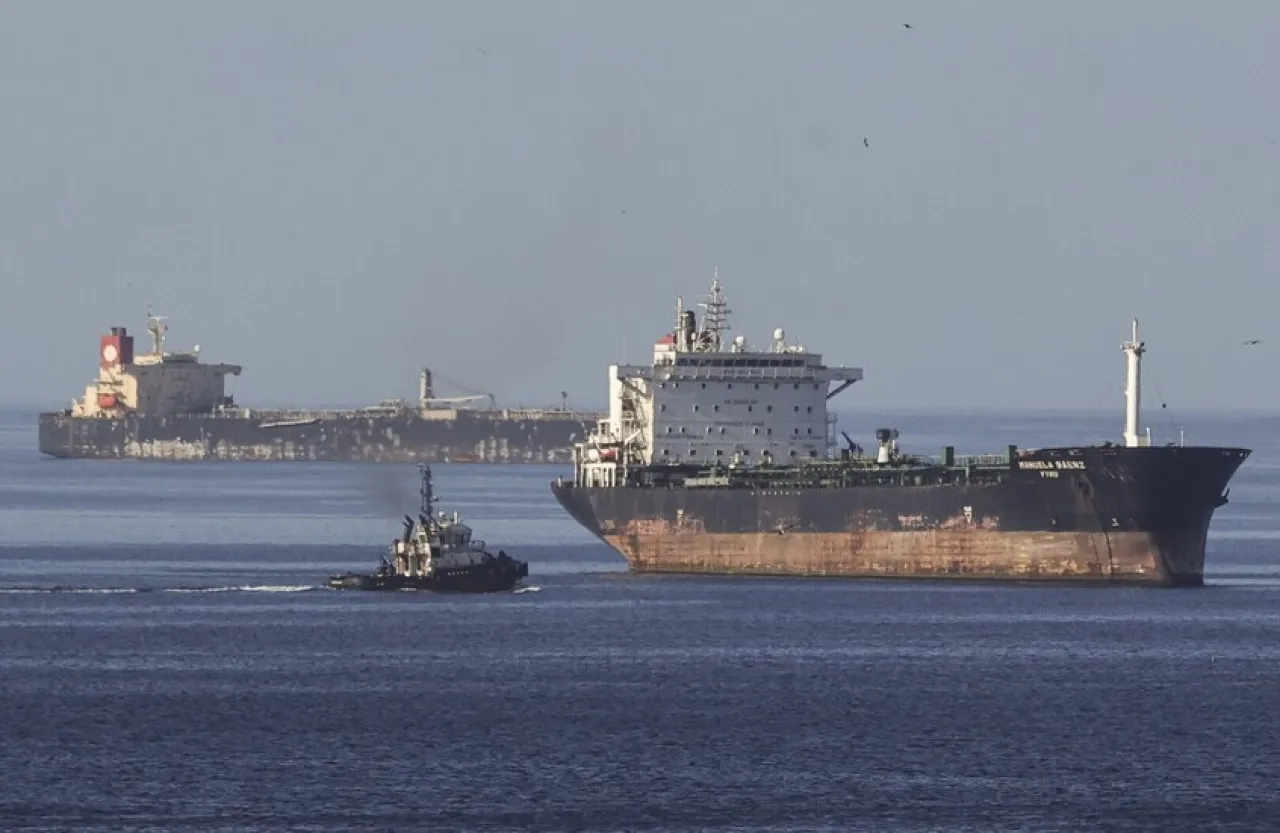
The agency referred in its report that shipowners are trying to free more than 800 ships stuck in the waters of the Gulf.
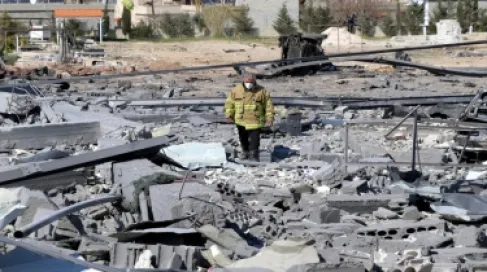
The Strait of Hormuz was effectively closed since the American and Israeli strikes at the end of last February, which led Iran to tighten its control over it, resulting in an unprecedented energy supply crisis. With the safety of thousands of seafarers and their cargoes not guaranteed, ships remained halted on both sides of the strait, and navigation slowed down significantly.
Just hours before the deadline set by U.S. President Donald Trump on Tuesday evening, the two parties reached an agreement to cease fire in exchange for reopening the strait.
However, the details are still unclear, as Tehran says it agreed to two weeks of safe passage coordinated with its forces within "technical restrictions," while Washington announced a full, immediate, and safe reopening, and it is not clear whether the two parties have reached an agreement regarding the fees.
Even in the best scenarios, returning to normal will take time. During peacetimes, about 135 ships passed through the strait daily, a number that has declined sharply.
According to data from the company "Clipper," energy tankers constitute the majority of the fleet stuck in the Gulf, with currently 426 tankers carrying crude oil and refined fuel, in addition to 34 LPG tankers and 19 LNG tankers, while the rest of the ships carry dry goods such as agricultural products, minerals, or containers.
According to the data from the International Maritime Organization until the end of last March, there are about 20,000 civilian sailors stranded on these and other support ships, facing a shortage of supplies, exhaustion, and increasing psychological pressures, according to United Nations warnings.