Khaberni - A well-informed source disclosed that current consultations between the government and the foreign private sector are underway to establish a new shale oil power station in the center of the kingdom, near the Attarat Power Station to utilize its infrastructure, and with the same generating capacity.
The source indicated that if this project proceeds, the new station could be built at a lower cost, potentially reaching 1.25 billion dollars compared to the cost of the Attarat station, which amounted to 2.2 billion dollars, due to the presence of ready infrastructure resulting in lower electricity production costs, according to Al-Ghad.
The source explained that the current station has a capacity of 480 megawatts, which constitutes 17% of the domestic production, of which a net capacity of 455 megawatts is exported to the grid, while the remainder is used for internal consumption in the station's production processes.
The source, who preferred not to reveal their identity, stated, "The international partners in the Attarat project are willing to enter into the new project with a 50% share if it proceeds, while the remaining share would be a local contribution, with the government holding a stake, noting the possibility of completing the station within two years of starting the construction due to the prepared infrastructure."
In this regard, a board member of Attarat Power Company, Mohammad Al-Maaytah, stated, "The introduction of oil shale in Jordan was part of the energy mix as a strategic option adopted by the state in 2007, aiming to enhance energy supply security and reduce the impact of gas supply interruptions."
He mentioned that establishing any new station near the Attarat station would be less costly, due to the ability to utilize the existing infrastructure, including electric grids, roads, and other facilities.
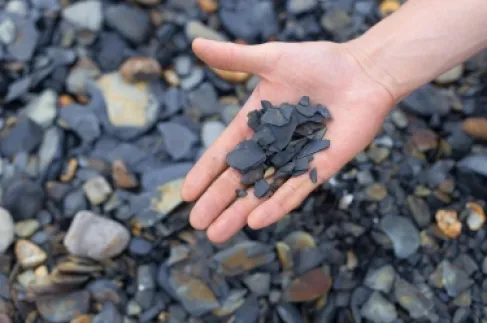
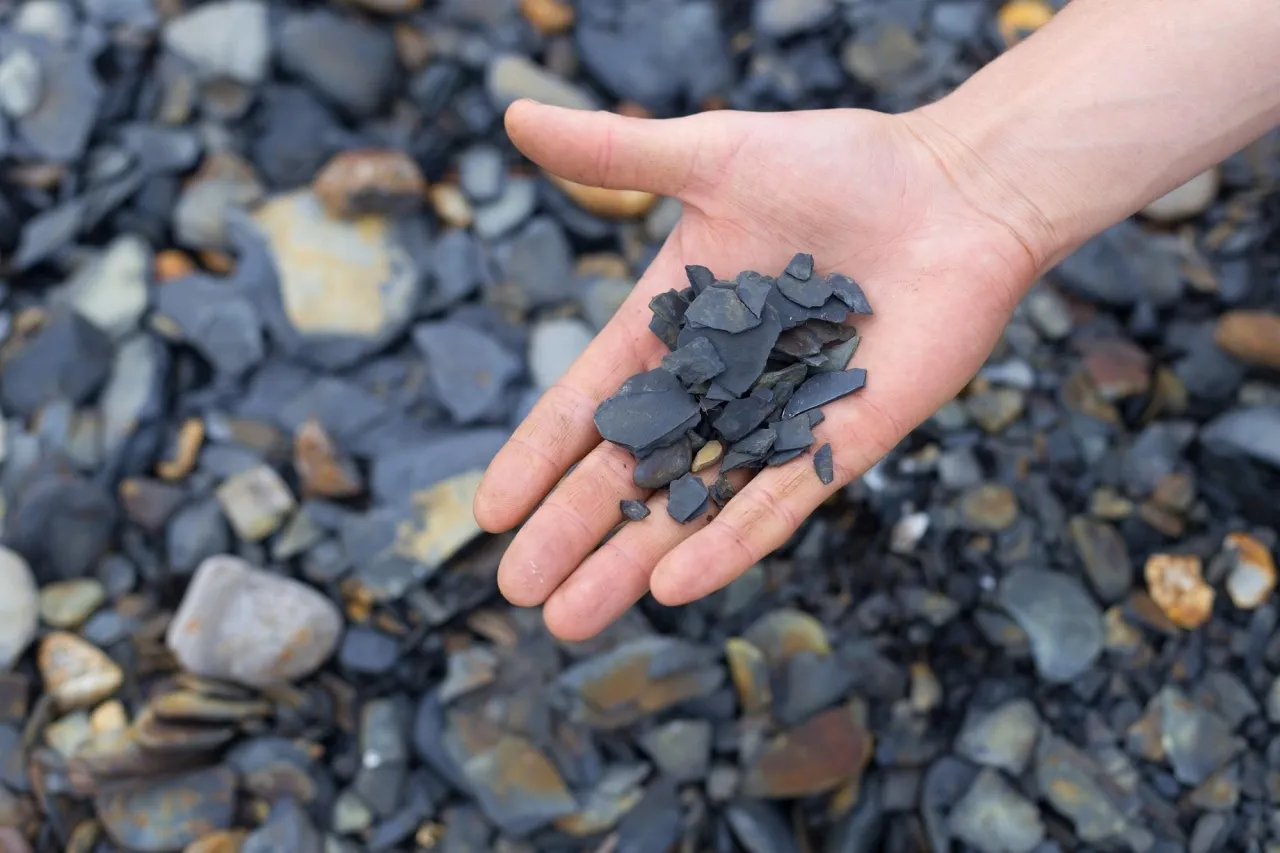
He also pointed out that oil shale is considered a sustainable local resource, which reduces the costs of importing oil and gas, noting that Attarat station's contribution to the electrical system currently stands at about 17%. He elaborated that this direction led to the implementation of the electricity generation project from oil shale, depending on a locally available resource abundant in the kingdom, which enhances the independence of the electricity system, especially in emergency situations that might see a cessation of fuel sources.
He considered that establishing a new station for generating electricity from oil shale strengthens self-reliance, also pointing out that the cost of its construction would be lower, with financing easily secured through the establishment of a public shareholding company, involving governmental financing entities.
Ownership of the Attarat station is currently divided with 45% for the Malaysian company "YT L", 45% for the Chinese company "Lydian", and 10% for the Estonian Electricity Authority.
Meanwhile, the former General Manager of the National Electricity Company, Dr. Ahmad Hayasat, affirmed that the importance of the Attarat station stems from several key factors, primarily its geographical location, as it is situated in the center of loads close to critical loads, which contributes to reducing electrical losses and enhancing network stability.
He added, "The station relies on oil shale, a resource prevalent in the Jordanian desert, not subject to global price fluctuations or port closures, which enhances reliance on a sustainable local energy source." He pointed out that diversifying fuel sources is one of the most critical elements of energy security, as it allows more flexibility in managing the electricity system.
Hayasat clarified that this technology is new to the region, previously used only in Estonia, making Jordan the second country to adopt it, contributing to building specialized local expertise, with engineers and technicians now possessing advanced knowledge in this field that can be leveraged in other projects.
He called for hastening the consideration of implementing a second phase of the project through a new investment of the same size, with a capacity of 470 megawatts, anticipating that this would significantly reduce electricity production costs.
He explained that many capital expenses were completed in the first phase, such as constructing roads, infrastructure, and the mine, and conducting necessary tests on the oil shale, meaning the second phase would not require similar expenditures.
He estimated that the price per kilowatt-hour produced from the second phase would not exceed 7 cents, describing it as an excellent level that enhances the competitiveness of the electricity sector in the kingdom.
Furthermore, the former Dean of Geologists, Dr. Sakhr Al-Nusour, asserted that the energy sector is one of the sectors most affected by conflicts and wars, often becoming one of their causes, due to competition for control over different energy resources.
He explained that one of the main tools to mitigate the economic impacts of these crises, on both nations and individuals, is relying on local energy sources, which enhances national sovereignty and ensures the sustainability of energy supply away from regional fluctuations.
He mentioned that oil shale is one of these crucial sources, noting the large and confirmed reserves in Jordan, making it a strategic option.
He added, "The direct combustion model for oil shale has proven its success through the Attarat project, which contributed about 16.5% of the electricity production in the kingdom, being a reliable local source."
He pointed out that these data require the state to expand electricity production using direct combustion oil shale technologies, as a successful model for modern generation stations. He clarified that the spread of oil shale over an area estimated to be about 50-60% of the lands of the kingdom, with substantial reserves, enhances the feasibility of investing in it, especially given the practical experience that proved its efficacy during periods of other energy supply disturbances.
He expressed hopes to increase the contribution of oil shale to the energy mix to between 25% and 30% in the coming period, pointing out the possibility of financing these projects through establishing public shareholding companies or through involving sovereign funds, banks, and Arab and foreign investors, despite its high foundational costs.
It's worth noting that the contribution of oil shale to the electric energy mix purchased last year increased compared to the year 2024, according to data from the National Electricity Company. Oil shale constituted about 16.7% of the company's total purchases of electricity generated from various production sources, amounting to about 23,414 thousand gigawatt-hours last year compared to about 16% of the total purchases in 2024, which then amounted to about 22,723 thousand gigawatt-hours.
Jordan ranks fourth globally in terms of oil shale reserves, according to the Ministry of Energy and Mineral Resources, with national reserve quantities estimated between 40 and 70 billion tons spread across 18 known sites in various regions of the kingdom.