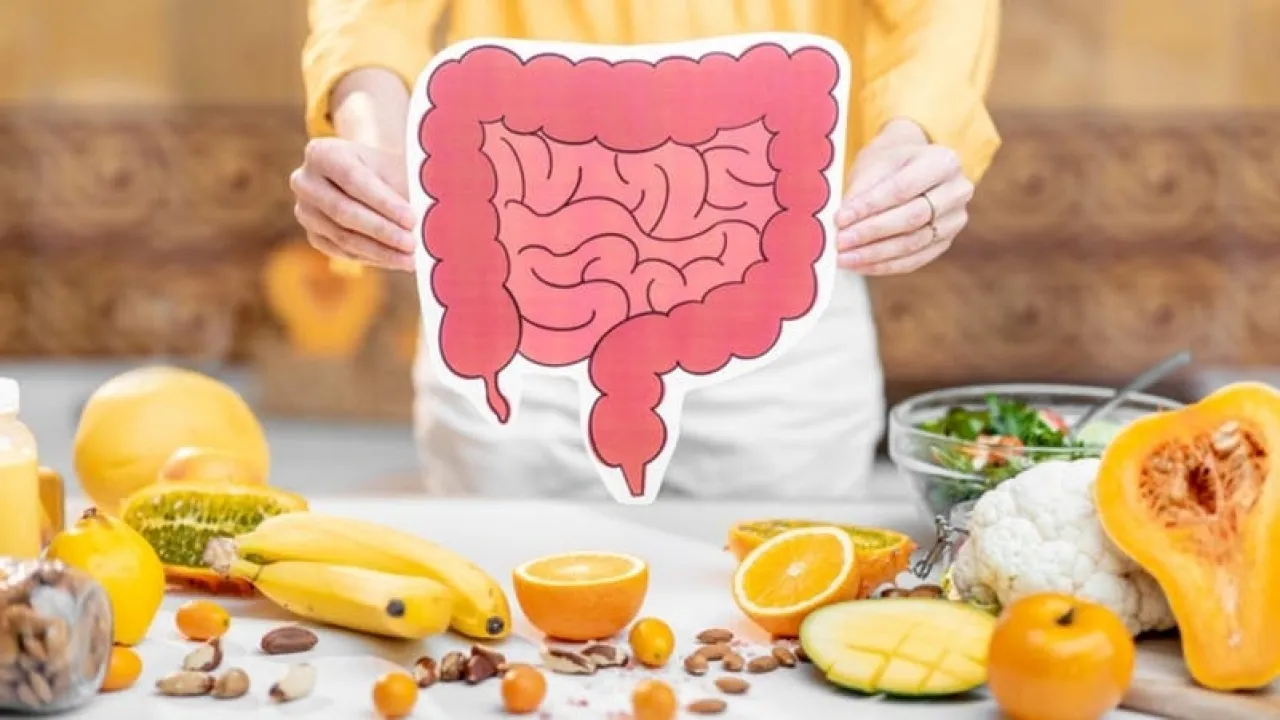
Khaberni - A new clinical study revealed that following a short diet for five days monthly may reduce the symptoms of Crohn's disease (ulcerative inflammatory bowel disease) and the associated inflammation, a step that could reshape the dietary recommendations for patients with inflammatory bowel diseases.
According to a report issued by the School of Medicine at Stanford University, the study was based on what is known as the "fasting-mimicking diet," which is a low-calorie diet based on plant foods for a limited time each month.
The trial included 97 patients with mild to moderate Crohn's disease, where 65 of them followed the new dietary regimen, while the rest continued with their usual patterns.
During the study period, which lasted three months, participants reduced their calorie intake to between 700 and 1100 calories daily for five consecutive days each month, before returning to their normal diet.
The results showed that about two-thirds of the patients who followed the diet reported improvements in symptoms, compared to less than half of the participants in the other group.
Impact goes beyond subjective feeling
The improvement was not limited to the symptoms only, but there was also a notable decrease in internal inflammation indicators. Levels of "fecal calprotectin," a key indicator of intestinal inflammation, decreased, alongside reductions in other inflammatory molecules in the blood and feces.
The immune cells of the participants also showed less activity in producing inflammatory signals, indicating a direct biological effect of the diet.
The researchers believe that reducing calories periodically might give the digestive system a "temporary rest", and reset the balance between intestinal bacteria and the immune response. Also, relying on plant-based foods during this period might contribute to reducing inflammation triggers.
However, despite the promising results, the researchers note that nutrition studies face challenges, such as the difficulty of controlling participants' compliance and the impact of psychological expectations. The study also focused only on mild to moderate cases, meaning the results might not apply to all patients.
On the other hand, this dietary regime offers a relatively simple option that may help some Crohn's patients to improve their condition, but it is not a substitute for medical treatment, but rather an additional step that needs more research and customization according to each case.