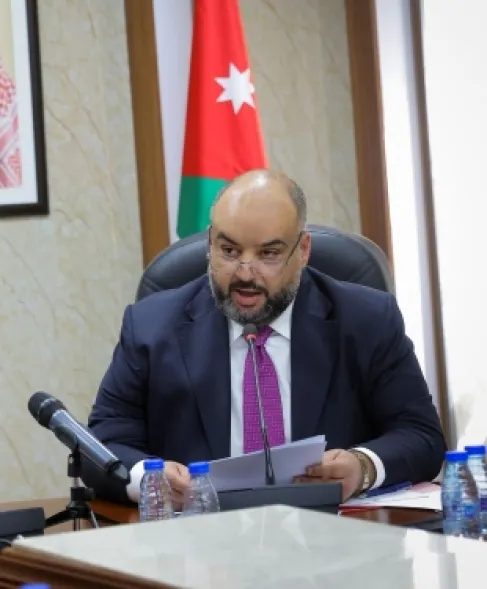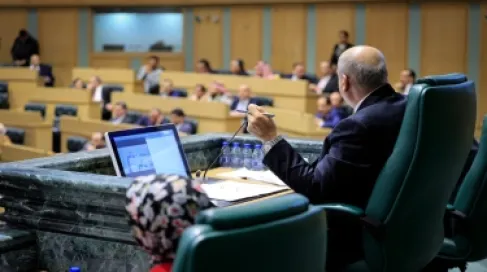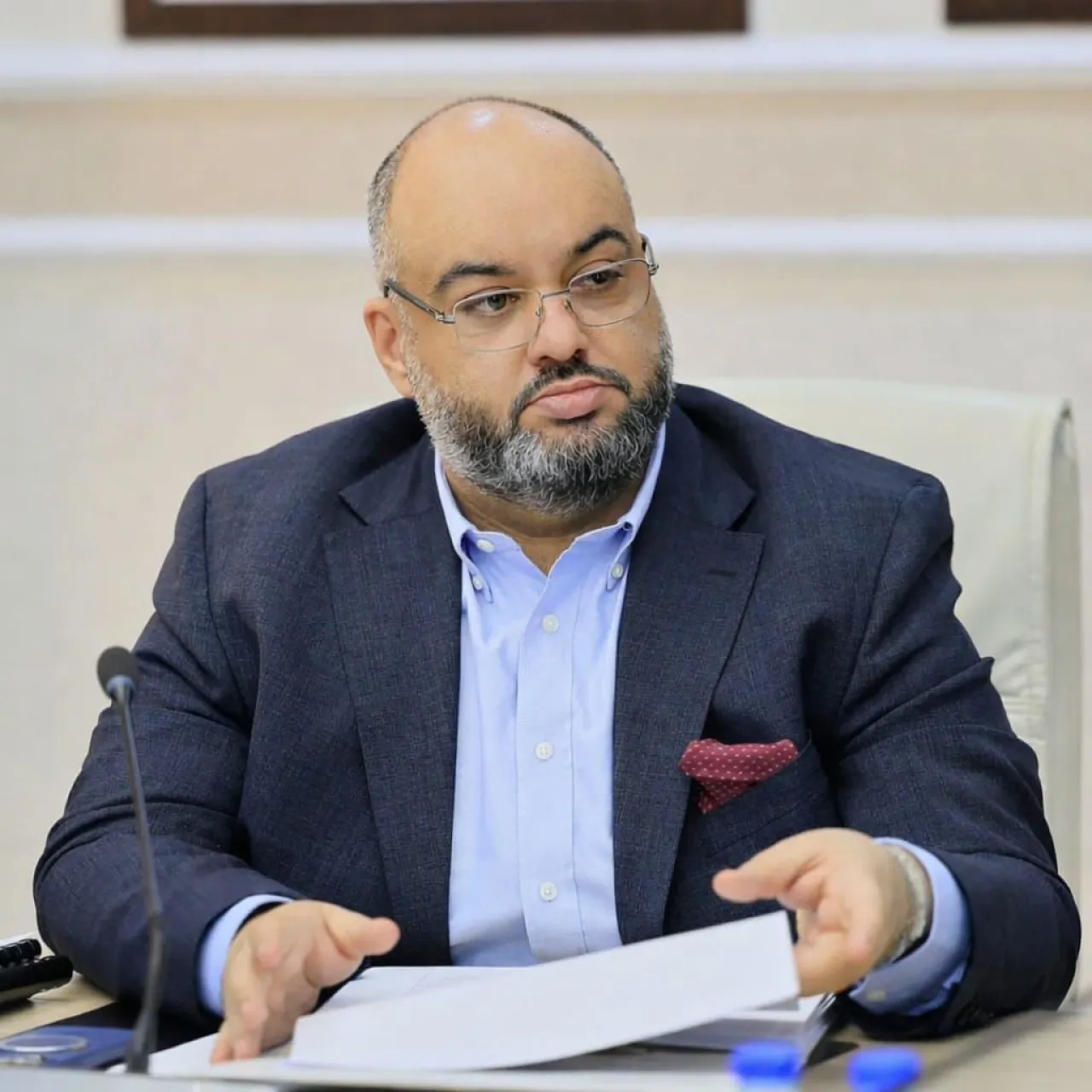
Khaberni - The chairman of the Union and Reform Parliamentary Bloc, Deputy Captain Zuhair Mohammed Al-Khashman, and the General Secretary of the Reform Party, Dr. Mustafa Al-Amawi, requested a meeting with the Labor, Social Development, and Population Committee to discuss the amended bill for the Social Security Law of 2026 before its approval by the committee and its discussion under the dome. This was done simultaneously with presenting an extensive study and a detailed matrix of observations on the project.
The letter sent to the committee stated that these observations and proposals stemmed from a national and constitutional responsibility, and a keenness to ensure that Jordan’s social security system remains a genuine protective umbrella for the citizens, not an additional burden on them, nor a tool to re-impose the cost of financial or administrative imbalances.
The letter emphasized that the amended Social Security Law is considered one of the most important social and economic law projects, given that its impact extends beyond the legal texts and directly affects the lives of citizens, from the worker weary from years of service, to the female employee whose career was disrupted by family circumstances, to the retiree waiting for his pension to preserve what remains of a dignified existence, or the family that sees in the social security system the last remnant of security against inflation, illness, unemployment, and marginalization.
It mentioned that the approach presented for the project did not come from purely technical or calculative angles, but from a vision that considers social security not merely as a financial fund, but as a social contract between the state and the citizen, and that any amendment that disrupts the balance of social justice in favor of stark financial rigor affects the core of public trust and weakens the sense of insurance security.
The study included a number of fundamental issues that merit serious consideration, chiefly the necessity to maintain the principle of gradual increases in the retirement age and the number of contributions, linking this process to periodic reviews every few years based on actuarial studies, ensuring that the legislative process does not close on assumptions that may change over time, and that the retirement age does not exceed 62 years instead of 65 years.
The study also stressed the importance of preserving the right to early retirement, and not to increase the number of contributions to the levels proposed in the bill, adopting a ceiling that does not exceed 300 contributions for males and 280 for females, to maintain the protective dimension of this right and prevent its depletion of its social content, especially for worn-out or unstable job categories.
The study also addressed observations related to reducing some benefits of accumulation, increments, and inflation links, which could weaken the purchasing power of retirement pensions and entitlements, at a time when the cost of living is rising unprecedentedly, in addition to expanding referrals to systems and instructions on matters with substantial effects on insurance rights, which may weaken legal certainty and grant administration broad flexibility at the expense of legislative guarantees.
The letter reiterated that this stance is not based on opposing development or reform, but on supporting any genuine reform that enhances the sustainability of social security, protects its funds, and develops its management, while rejecting that it be done by reducing the rights of the insured, delaying their entitlements, or imposing the correction costs on them alone.
Finally, the chairman of the Union and Reform Parliamentary Bloc, Deputy Captain Zuhair Mohammed Al-Khashman, stressed the importance of taking these observations seriously, as a responsible parliamentary contribution aimed at achieving a more balanced, just, and clear text, that receives wider social acceptance, while preserving at the same time the dignity of legislation, state interests, and citizens' rights.