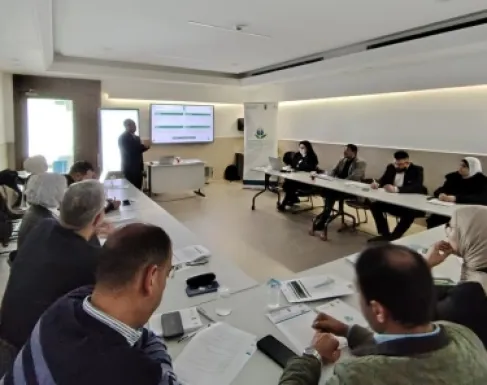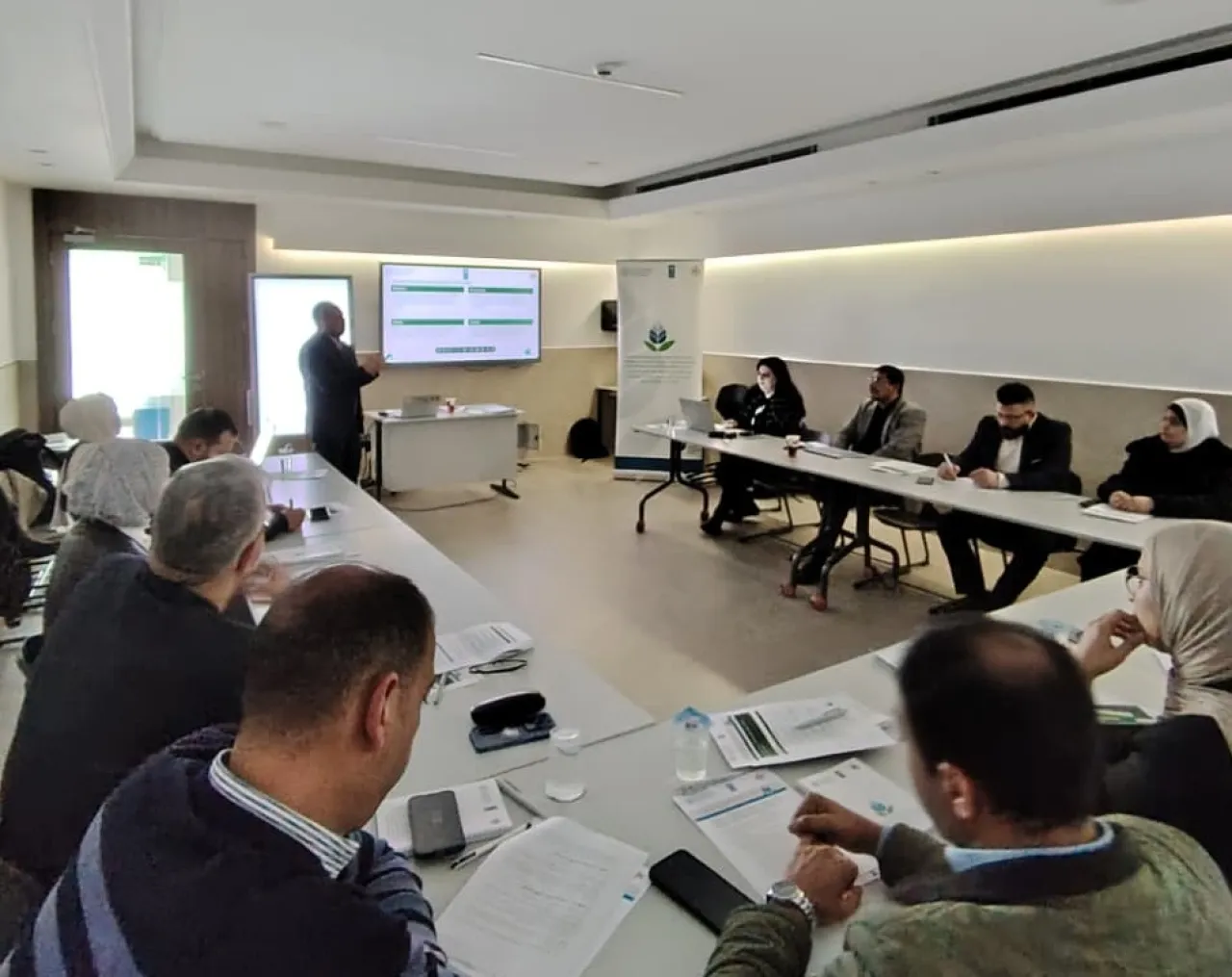
Khaberni - The Food and Agriculture Organization of the United Nations (FAO) held two discussion sessions today, Monday, as part of the project "Building Capacity for Climate Change Adaptation in Jordan,” aimed at reviewing current policies, strategies, and instructions related to water management and climate-smart agriculture in the Kingdom.
Approximately 25 experts representing government entities, the private sector, academic institutions, and international organizations participated in the sessions. They discussed the challenges facing policies and regulations related to adapting to climate change in the agricultural and domestic sectors, in addition to identifying regulatory gaps and policy inconsistencies, and the missing incentives that could hinder the adoption of adaptation practices.
Participants addressed the interconnections between water, energy, and agriculture sectors, and discussed the possibility of addressing the issue of unified electricity tariffs undermining efforts to optimize water use, especially regarding irrigation during off-peak times.
They also discussed financial and tax incentives, including expanding exemptions to cover smart irrigation technologies, and establishing comprehensive financing mechanisms to support farmers.
In another aspect, the use of treated sewage water in agriculture was discussed, focusing on aligning water quality standards with the requirements of high-value crops, alongside addressing regulatory gaps related to the fragmentation of agricultural lands.
Regarding the management of domestic water, participants discussed building laws and green standards related to water use efficiency, emphasizing the importance of implementing mandatory systems for inspecting and rating water-saving technologies, and developing financial incentives to encourage home upgrades and the adoption of greywater systems.
Dr. Samia Akroush, FAO's Policy Reform and Education Specialist, said, "These sessions will contribute to improving policy recommendations and enhancing cooperation between various stakeholders," noting that the outcomes will support the next phase of the project through developing practical solutions that enhance the capacity to adapt to climate change in the agricultural and domestic sectors in Jordan.
The project "Building Capacity for Climate Change Adaptation in Jordan by Improving Water Use Efficiency in the Agriculture Sector" (BRCCJ), funded by the Green Climate Fund, and implemented by FAO in partnership with the Ministries of Water and Irrigation, Agriculture, Environment, and the United Nations Development Programme, aims to enhance climate-resilient sustainable development and increase the capacity of water management systems and agricultural communities to adapt to its impacts.
The project, worth 33.25 million US dollars, targets four governorates within the Dead Sea basin: Karak, Madaba, Tafilah, and Ma'an, as they are among the regions most susceptible to climate change and water stress in the Kingdom