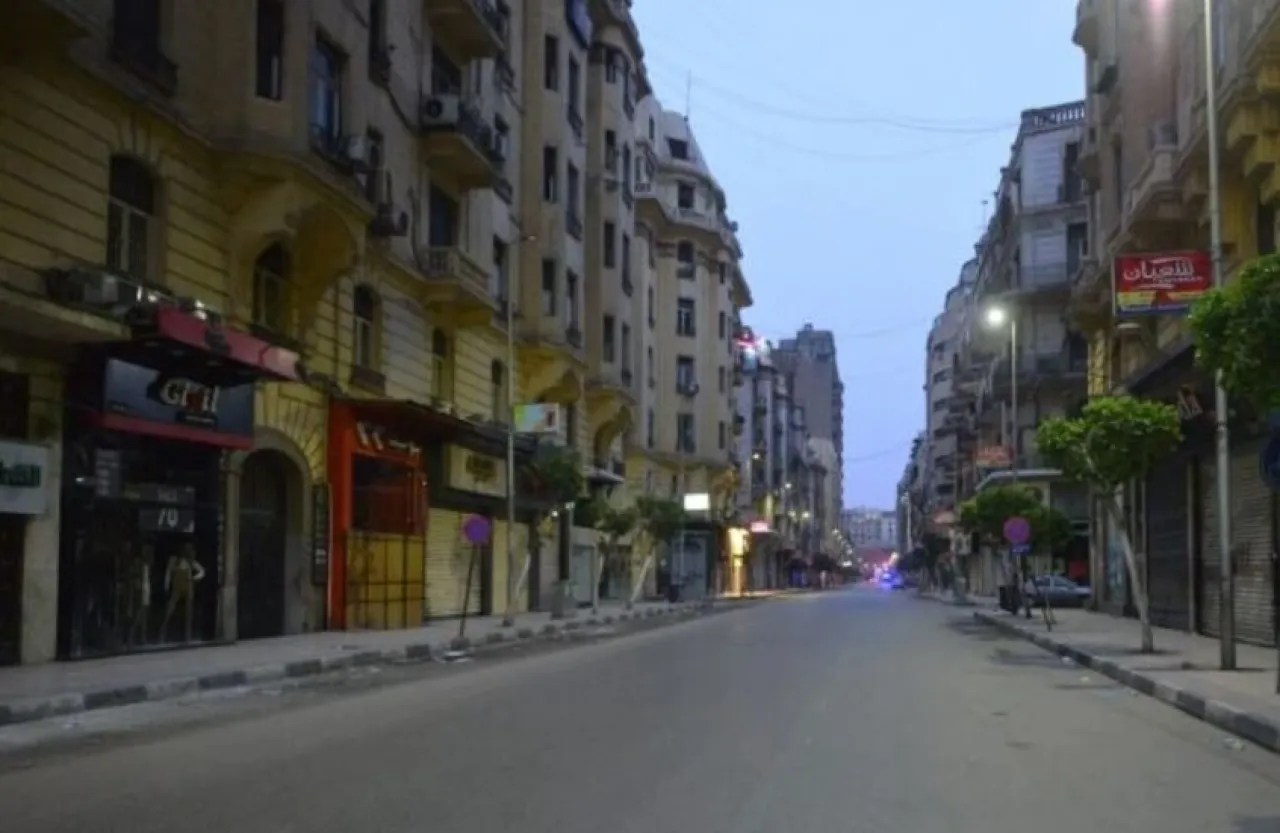
Khaberni - Dr. Alia El Mahdi, an Egyptian economic expert, warned about the decision to close commercial shops early in Egypt, confirming its direct negative impact on private consumption, which is the main driver of the Egyptian economy
El Mahdi explained that any decrease in individual activities and commercial movement is immediately reflected on the overall demand, noting that keeping commercial activities going until midnight creates significant economic movement.
In statements to a local channel, the Egyptian Economics professor added that early closure leads to reduced operating hours, causing direct and indirect job losses, and a decline in the daily activity of vital markets.
The decision of Prime Minister Dr. Mostafa Madbouli to close public shops, shopping centers, restaurants, and cafés daily at 9 PM starting from Saturday, March 28, for a month, was implemented.
The decision aims to rationalize energy consumption in light of the rising global oil prices resulting from military escalation in the Middle East. Some vital sectors such as supermarkets, pharmacies, bakeries, and home delivery services that operate 24 hours are exempted from the decision.
Dr. Alia El Mahdi pointed out that reducing consumption means a decrease in total demand in the economy, which could lead to reduced growth rates, increased negative expectations about investment, and the possibility of entering a recession if the situation continues for a long period.
She emphasized that the expected return from rationalizing energy consumption does not compensate for the losses resulting from reduced working hours, confirming that the negative impact on production and consumption is much greater than any savings in the energy bill.
The Egyptian economy heavily depends on private consumption, which constitutes a significant percentage of the Gross Domestic Product (GDP). Given the current economic challenges, some experts believe that any restrictions on nighttime commercial activity could negatively impact vital sectors such as domestic tourism, retail, and food services that rely on evening movement.
Dr. Alia El Mahdi concluded by calling on the government to reassess the early closure decision, noting that private consumption is the main driver of both production and export, and any restrictions that hinder it negatively reflect on the economy as a whole.