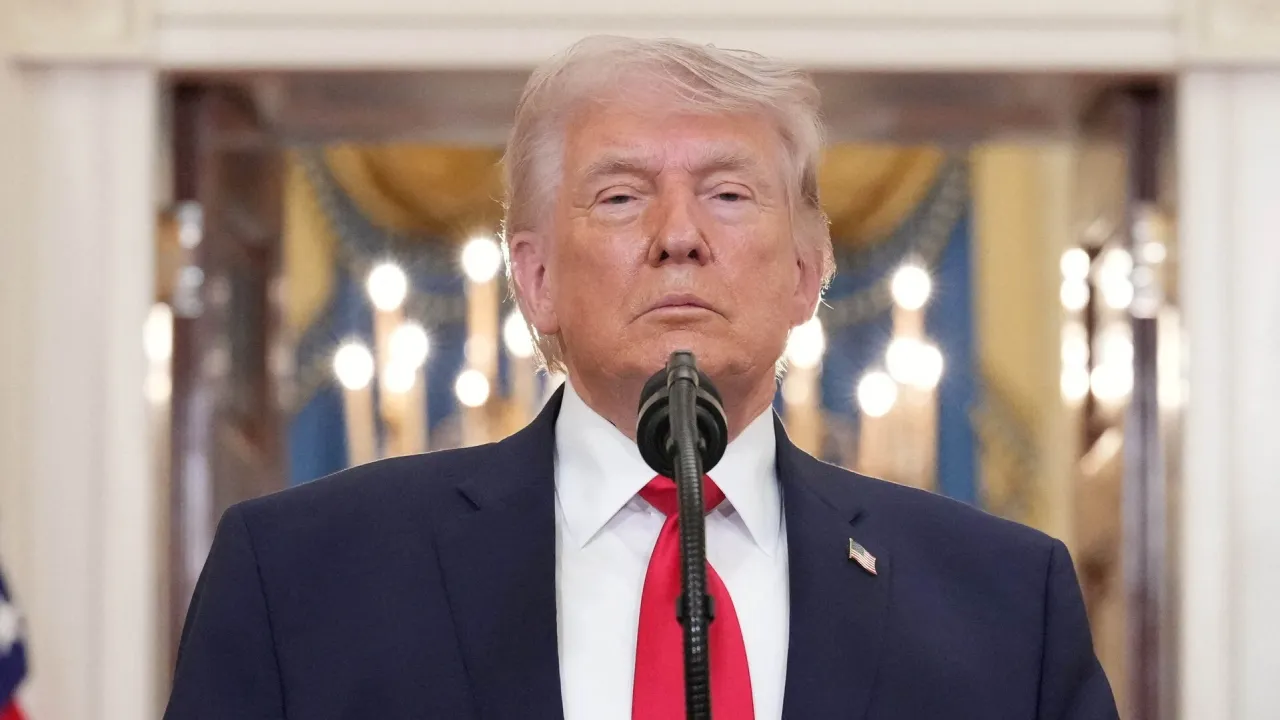
Khaberni - With the approach of the end of the 48-hour deadline set by U.S. President Donald Trump to implement his threat of "hell," the world awaits the outcomes of the confrontation between him and the Islamic Republic of Iran.
In a new escalation, Trump said that the ten-day deadline he gave Iran is about to expire, indicating that it has only two days left to strike a deal or open the Strait of Hormuz, or else it will face what he described as a "great hell".
Fundamental questions emerge about the reality of intentions and the positions of allies and opponents.
In an analytical reading of the heated scene, experts and strategic analysts believe that Trump's threat of "hell" within 48 hours represents the peak of political and military pressure, but it collides with a field reality and economic cost that make the option of total war a "trillion-dollar gamble".
How serious is Trump’s 48-hour "hell" threat?
Military and security expert Richard Wolts believes that this threat exceeds previous deadlines, given the qualitative change in the field.
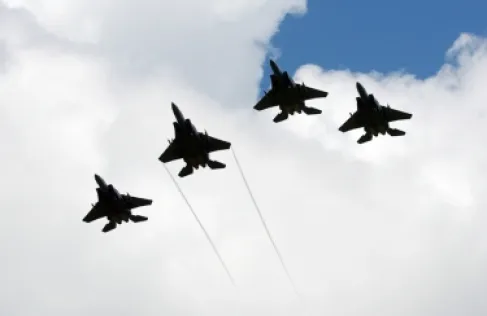
For the first time, Washington deployed warplanes and pushed massive ground reinforcements, meaning that the U.S. administration now possesses "tactical reasons" and ready military options to execute immediately after the deadline unless last-minute concessions are extracted from any side.
What are Trump's real intentions behind this escalation?
Analysts link the timing of the threat (Saturday) with the opening of "stock markets" on Monday, as Trump aims to use "brinkmanship" to force Tehran to make major concessions, to later announce a "diplomatic victory" he attributes to himself as the leader who protected the American economy and prevented war with military power, a typical tactic in his escalatory speeches prior to agreements.
What is Tehran’s expected reaction to this threat?
Nigar Mortazavi, a senior researcher in American politics in Washington, confirms that Tehran will not meet "hell" with surrender. What strengthens this resilience is Iran's first success in downing an American "F-15" aircraft and searching for its pilot, which gave its leadership a "confidence boost" in the field.
American and Iranian sources announced last Friday the downing of an American fighter jet, model "F-15E Strike Eagle," inside Iranian territory, and damage to two helicopters, with reports of another American fighter crash.
According to Mortazavi, Tehran bets that Washington realizes the impossibility of achieving a ground victory in complex areas like Isfahan and Kharg Island, especially with a record defense budget requested by Trump amounting to 1.5 trillion dollars.
What are the humanitarian and economic repercussions looming over the Iranian interior?
Researcher Nigar Mortazavi relays shocking figures from World Health Organization reports for the Iranian interior, indicating deaths exceeding 3,000 people and injuries of 4,000, and displacement of 4 million people since the start of the escalation, in addition to destruction of many schools and cultural facilities.
Despite this steep price, experts see "maximum resistance" as Iran's headline in facing the "maximum pressure" from the U.S.
Where does Israel position itself regarding a potential ceasefire?
Academic and researcher in Israeli affairs Raed Na’irat explains that Israel is the "most troubled" party in this scenario, especially since Tel Aviv fears war less than its "sudden cessation" by a decision from the White House before Israel achieves field gains.
• Field failure: as the Israeli army failed to control "the 8 kilometers" or the Litani area in southern Lebanon.
• Domestic attrition: especially since the Israeli citizen has been moving to shelters since the beginning of the war, as the strategic stock of food and petrol runs out.
• Political deadlock: highlighted by Tel Aviv's fear that a Washington-Tehran agreement in Islamabad may leave Israel empty-handed from the conflict, hence its interest in thwarting the agreement and maintaining the war.
Is there a real diplomatic way out amidst this threat?
According to constitutional law researcher Salim Zakhour, the "only way out" remains in political settlement, referring to reports of Pakistani mediation suggesting that things are moving in the right direction. Key figures like Javad Zarif warn that the failure of the settlement will mean Iran paying a steep price "for decades to come".
Zakhour concludes by describing the current situation as a stage of "last nail-biting", where each party raises the cost on the other to extract the best terms before closing the file of the 48 hours.