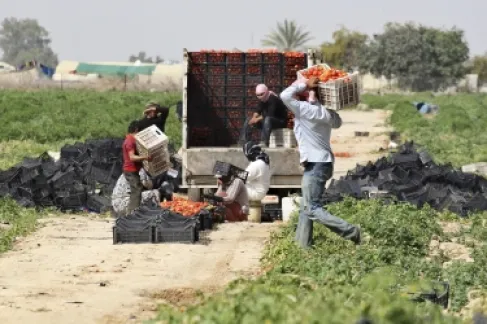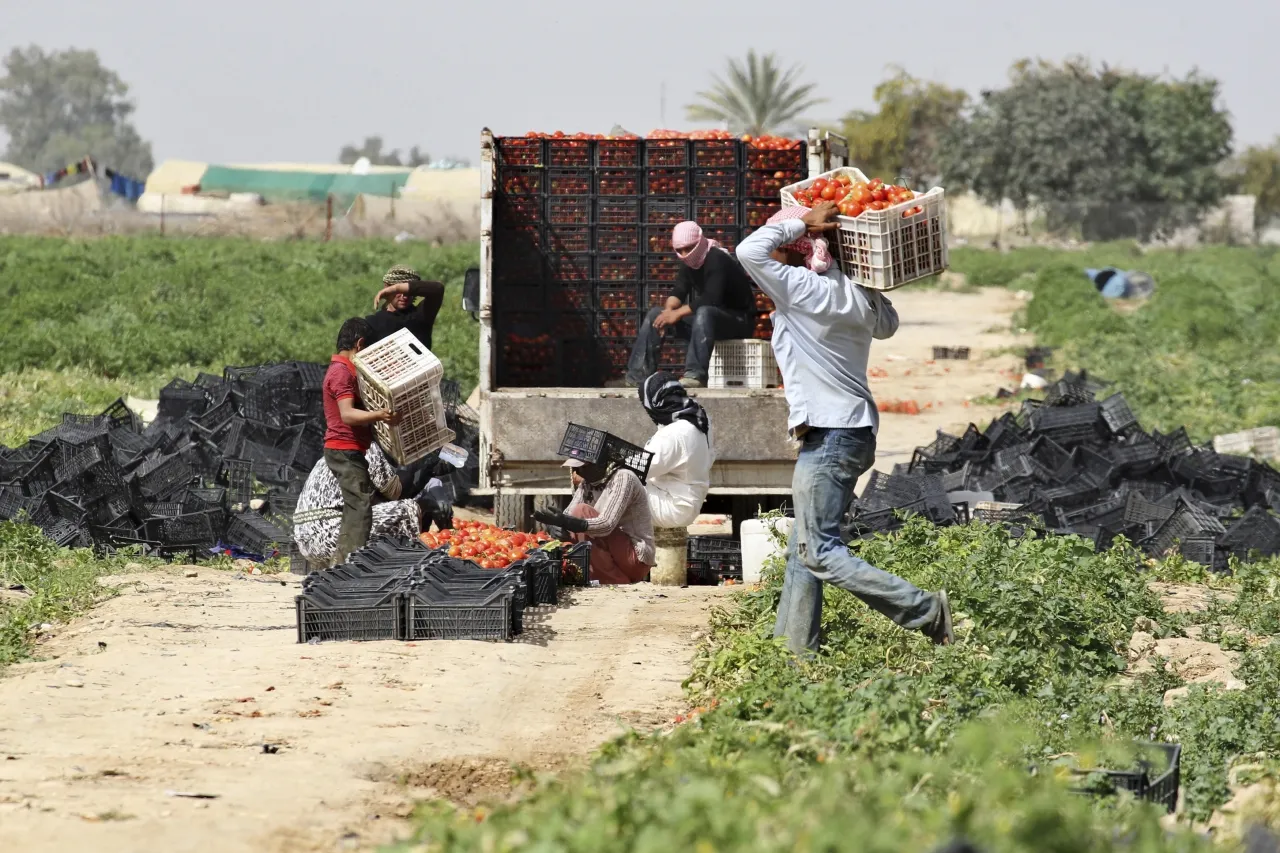
Khaberni - The United Nations Economic and Social Commission for Western Asia (ESCWA), today, Thursday, warned of the possibility of about 5 million additional people joining the circle of food insecurity in Arab countries with middle and low income, due to the repercussions of the American-Israeli war on Iran and the rising global food prices.
In a study titled "Conflict and its Repercussions: Exacerbating Impacts and Risks on the Energy, Water, and Food Systems in the Arab Region," ESCWA explained that the escalating conflict is causing interconnected shocks in vital sectors, threatening human security and economic stability.
The UN committee stated that a rise in food prices by up to 20% could worsen the living conditions in fragile and conflict-affected countries, especially given their limited financial resources and their heavy reliance on food imports.
In the energy sector, ESCWA pointed to a significant disruption in trade, where crude oil exports from Gulf countries have declined by between 75 and 90% since the outbreak of the war, concurrently with oil prices rising to more than $112 per barrel as a result of the near-complete closure of the Strait of Hormuz, the main passage for about 20% of the global oil trade, 20% of liquefied natural gas trade, and 30% of fertilizer trade.
Early Warning Systems
Murad Wahba, the acting Executive Secretary for ESCWA, stated that "these figures call for urgent and coordinated cooperation to protect critical supply chains, advocating for the adoption of early warning systems, enhancing strategic precautions, diversifying trade routes, and investing in resilient systems for energy, water, and food."
It is anticipated that the increase in fuel prices, disruption of shipping routes, and rising fertilizer costs will lead to an additional rise in food prices and production costs, disproportionately affecting low-income households and vulnerable groups.
The ESCWA official warned that "lack of rapid intervention could lead to further impoverishment and trigger social disturbances, undermining progress in the path of sustainable development."
A previous ESCWA study had estimated the losses of the Arab economic output at about 150 billion dollars in just one month due to these disturbances.