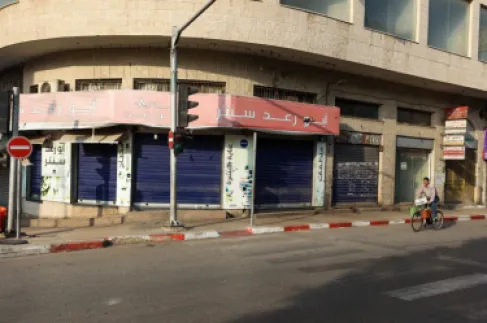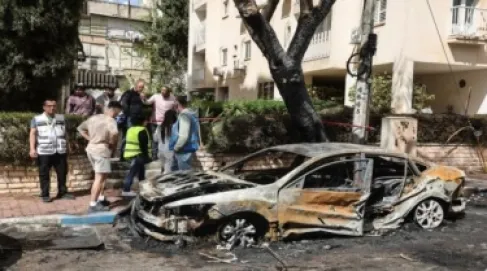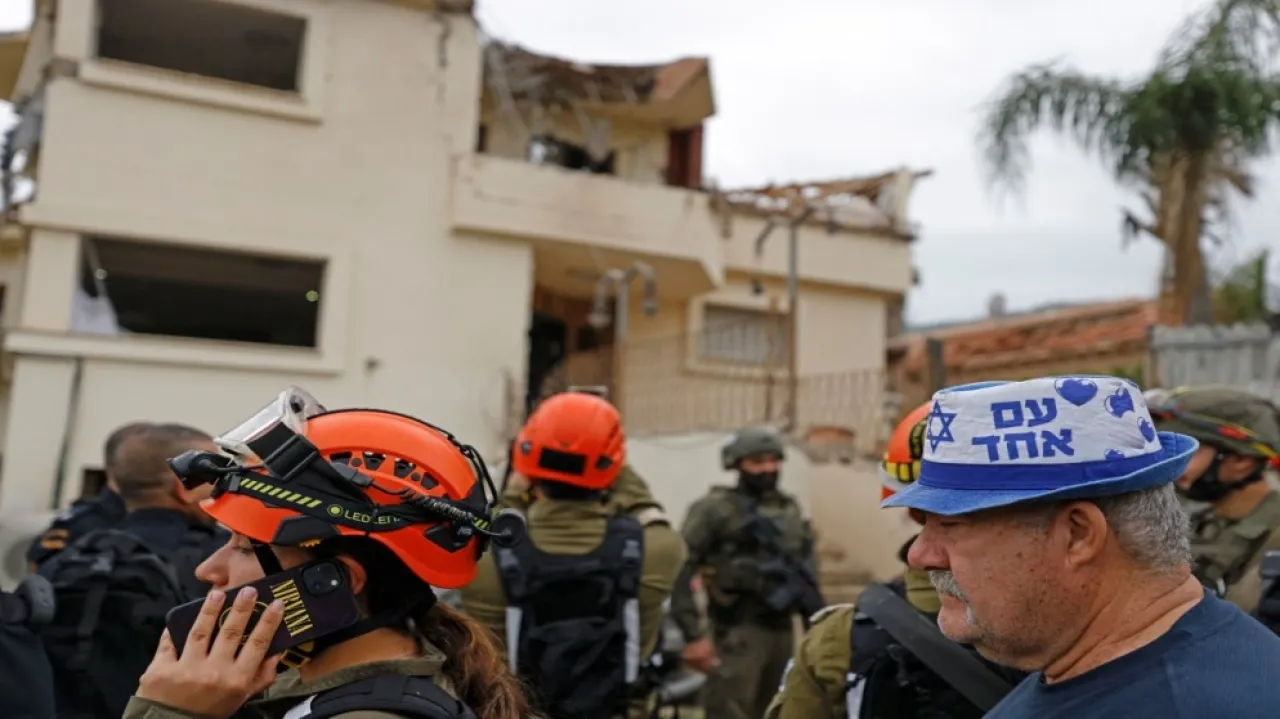
Khaberni - The city of Kiryat Shmona, located on the frontline of the confrontation between Israel and the Lebanese Hezbollah, has turned into a ghost town deserted by its youth, and the remaining inhabitants live to the rhythm of the never-ending alarm sirens, amidst feelings of being neglected by the government.
The city is situated three kilometers from the border with Lebanon, and finds itself in the heart of a new round of fighting less than three years after the previous confrontation.
Residents express their support for the army in its battle against Hezbollah, but at the same time, they show increasing fatigue, urging the government to listen to their suffering.
The city, with its popular character, mostly consists of Jews of Moroccan descent and has been suffering from social and economic difficulties for years, traditionally voting for the Likud party led by Prime Minister Benjamin Netanyahu.
A video of the mayor, Avihai Stern, accusing the government of neglecting the town, which is targeted by Hezbollah rockets, sparked a wide wave of criticism.
Ayala (56 years old), an educational assistant, tells Agence France-Presse "the government does not understand Kiryat Shmona, nor what our children experience".
The mother of twins adds, "There are no jobs here, nothing. We live in an almost empty city. If we were in Tel Aviv or Haifa, they would pump money. The state neglects Kiryat Shmona."
Ayala, like other residents of the north, was evacuated with her family after the confrontation that erupted following the 7th of October 2023, only to return after the cease-fire in late 2024.
She says while the sound of Israeli bombing on Lebanon echoes, "Now we have returned to square one. Nothing ends."
- No life -
Adva Cohen (38 years old), a mother of four, returned to the city after being evacuated in 2023, but today she lives between her home and a nearby shelter.
She spends her nights in the shelter with her neighbor and friend Olga, a mother of six.
Cohen, who had to close her nail care salon with the resumption of fighting on the 2nd of March, says, "In Kiryat Shmona, there simply is no life."
She adds, while laying down a sleeping cover in the shelter, "I think the government is doing its best, but it needs to see us and listen to us, the residents of the frontline."
She emphasizes her wish for the "return of peace," pointing out that "it's exhausting. There's not even a place to enjoy a cup of coffee."
Her family celebrates Passover, starting Wednesday evening, and she will celebrate the birthday of her twin daughters next week, inside the shelter.
- “Living like in Tel Aviv” -
Out of about 25,000 residents who lived in the city before the 7th of October, fewer than half have returned.
Raz Malka (25 years old), who came back after his studies "so the city wouldn't die," says, "Only the elderly and children remained."
He adds, "The state needs to understand that we want to live like the residents of Tel Aviv or elsewhere, we are not here just for security reasons," demanding "development, infrastructure, and services," and accusing the government of having "abandoned" the city.
According to the mayor, Avihai Stern, in his responses to questions from France Press, about a quarter of the remaining residents, nearly 10,000, rely on social services.
A clinic by the health fund “Klalit” is still operating in the town, while the nearest public hospital is in Safed, about 40 kilometers south.
Most businesses have shut their doors or relocated their activities, including the “Margalit Startup City” food technology complex opened in 2021, which was hoped to drive development in the area.
With the ongoing fighting on the northern front, against the backdrop of the regional conflict that erupted following the American-Israeli strikes on Iran on February 28, security remains the “absolute priority” for the mayor.
Mayor Stern calls for the construction of more shelters and the evacuation of the most vulnerable groups, something the government has not undertaken this time, unlike in 2023.
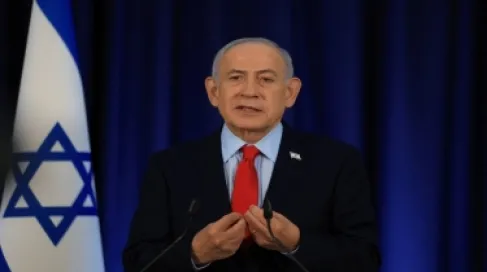
Netanyahu said on Sunday in a message to the residents of the north, "I am aware of the great difficulties you face," ensuring that he ordered the provision of "very generous aid," and urged the residents to "persevere and be patient."