Khaberni - Abdullah Murqah
The Secretary-General of the Jordanian Shipping Syndicate, Captain Mohammad Al-Delabeih, said that the Strait of Hormuz does not have direct effects on Jordan; however, the indirect impact is represented by the rise in global oil prices.
He explained that oil prices increased from about 60–70 USD to close to 120 USD, which reflected on the shipping and marine insurance fees. The cost of insurance increased from 0.2% of the ship's value to between 3.5% and 4.5%, describing these increases as very high.
He pointed out that ships consume daily between 100 to 120 tons of fuel, at a price reaching 700 USD per ton, which adds about 1.4 million USD to the cost of a single trip, alongside the increased costs of insurance and ship management, and this is reflected in the prices of goods.
He indicated that any rise in oil prices affects the whole world, not just Jordan, noting that marine insurance against war also contributed to increasing shipping costs.
He added that the current rise would affect the cost of living in general, considering that oil forms the lifeblood of the world.
Regarding questions about raising the prices of goods despite no new shipments arriving, he clarified that this is due to what is called the "alternative price," where traders price their goods according to the future import costs that will be higher.
He affirmed that the oil which reaches Jordan comes via the Petroline pipeline from Saudi Arabia to the Yanbu port, then through the Red Sea to Aqaba, and is not related to the Strait of Hormuz or Bab-el-Mandeb.
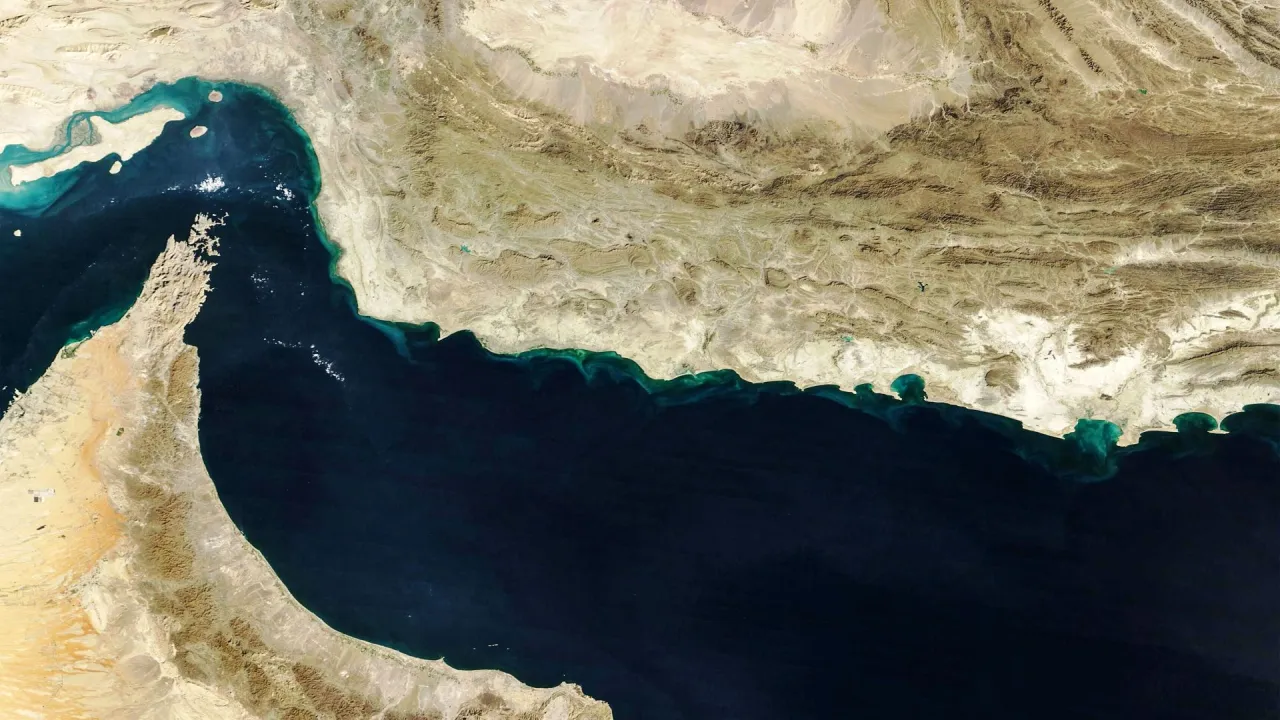
He mentioned that the only impact of the closure of the Strait of Hormuz on Jordan is the increase in oil prices, in addition to the increased costs of containers already present in Jebel Ali, while new ships will continue to come from China through Bab-el-Mandeb or Cape of Good Hope to Aqaba without changes in their routes.