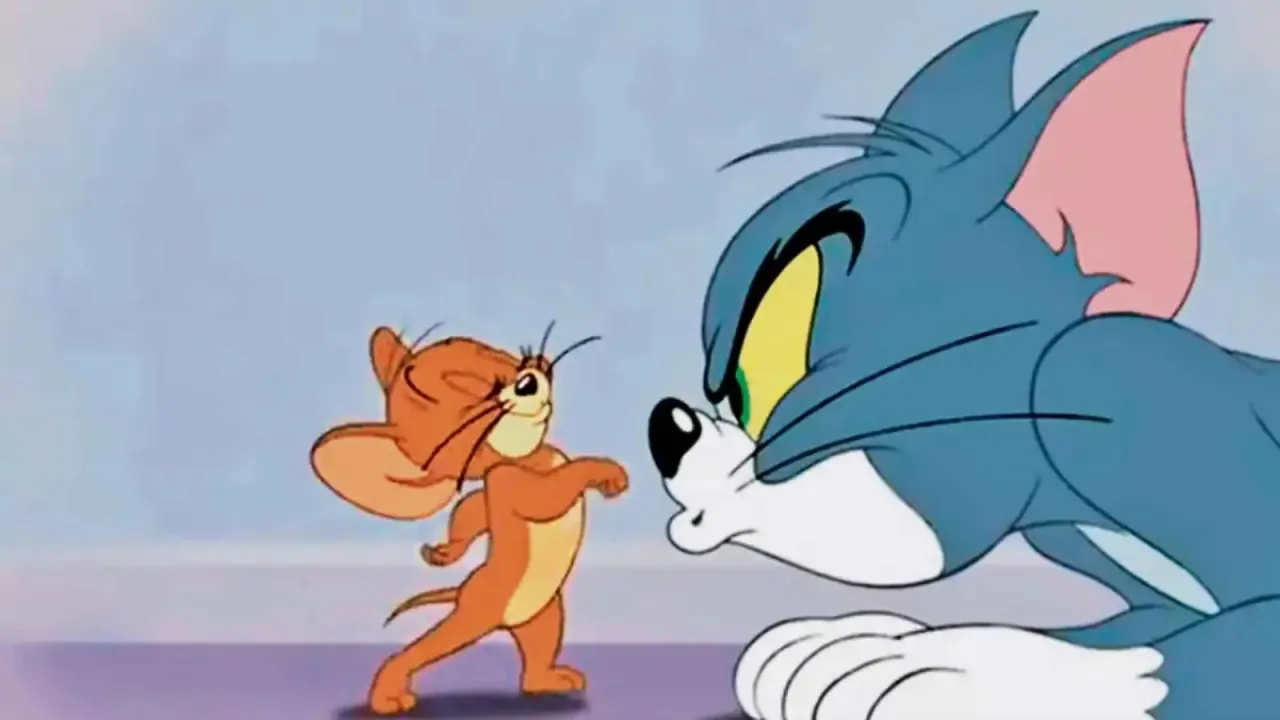
Khaberni - Childhood memories have long been associated with the chases of "Tom" the cat and "Jerry" the mouse, a series launched by "Metro Goldwyn Mayer" in 1940, created by William Hanna and Joseph Barbera.
Despite its immense popularity and global success, many today discover that this animated work faced harsh criticism and was classified as inappropriate for children based on several controversial issues.
Violence under the guise of humor
According to psychologists featured on "E.D. Times", the main driver of laughter in the "Tom & Jerry" series is based on mutual attempts to annihilate each other.
Critics believe that depicting extreme violence (like hitting with mallets or exploding) as "enjoyable" and without real consequences or permanent injuries sends wrong messages to children, potentially encouraging them to mimic these violent behaviors in reality believing it to be just a "game".
Unhealthy habits and gender stereotyping
The classic episodes included explicit scenes of smoking, drinking alcohol, and chases that perpetuate the concept of "toxic masculinity".
"Tom and Jerry" also faced accusations of "gender bias"; where female characters (such as the cat Toodles Galore) were portrayed as objects of allure or "gold diggers", along with the prevalence of unacceptable behaviors like harassment and stalking as a part of comedy.
Racism and stereotypes
One of the biggest criticisms of the series is racial stereotyping, particularly in the character of the African-American maid "Mammy Two Shoes" who was portrayed without a head, which was considered a racial insult, as the experts confirmed.
There was also a "joke" about characters' faces turning black after explosions, a style of mockery (Blackface) considered highly offensive.
Complex psychological aspects
Under the cover of comedy, the series featured mature themes such as depression, loneliness, and despair, concepts that could be complex or frustrating for a child's mindset.
Based on these standards, "Tom and Jerry" remains a brilliant artistic work in the history of animation, but today it requires family supervision or content alerts to ensure children understand the historical and social context of these scenes, as recommended by experts.