Khaberni - The head of the Palestinian Energy and Natural Resources Authority, Ayman Ismail, confirmed that the rise in global oil prices is directly and rapidly reflected in the Palestinian market, due to nearly complete dependence on imports from the Israeli side, noting that fuel prices (gasoline, diesel, gas) increase directly as a result of this connection.
Ismail explained in a statement to "Al-Mamlaka" that the implications of this rise are not limited to fuel only, but extend to the cost of generating electricity, leading to an increase in the cost of electricity imported from the Israeli side, in addition to electricity imported from Jordan through the Rama station, which raises the burden of the electricity bill on the government and distribution companies, and negatively affects the purchasing power of the Palestinians.
Regarding the repercussions of the current escalation with Iran, Ismail noted that the impact on Palestine is indirect but highly sensitive, given the West Bank's dependence on Israel for electricity and fuel, confirming that any disruption in the Israeli energy sector will automatically reflect on prices and supplies in Palestine.
He added that the current impact is still within the scope of precautions, but it is likely to become clearer on prices.
Regarding the possibility of interruptions or reduction in supplies, he pointed to the potential risks, though they have not yet materialized in the West Bank, explaining that the concerning scenarios include targeting Israeli energy facilities or ports, or pressure on the electrical network; due to some power stations going out of service, noting that the greatest risk lies in reducing supplies, or imposing temporary rationing, not a total cut-off.
Ismail stressed that any threat to navigation or ports in the region would indirectly reflect on the energy sector in Palestine, which greatly depends on the Israeli side in supply chains.
He revealed that there are emergency scenarios ready in case the conflict expands regionally, the most important of which is to prioritize the supply of electricity to vital sectors such as water, health, and telecommunications, and to implement load management and rationing plans when necessary, in addition to expanding the use of solar energy and storage systems, especially in hospitals, civil defense, and service institutions.
The plans also include increasing reliance on diesel-powered backup generators, storing sufficient fuel quantities, and enhancing the operational readiness of the national transport company and distribution companies.
Regarding the current situation of electricity supplies, Ismail explained that the West Bank is experiencing relative stability without any rationing at the moment, with high fragility in case of major military developments, while Jerusalem is directly connected to the Israeli network, enjoying stable supplies currently.
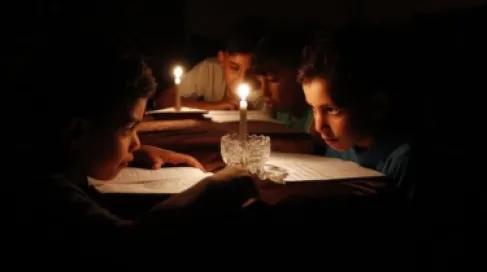
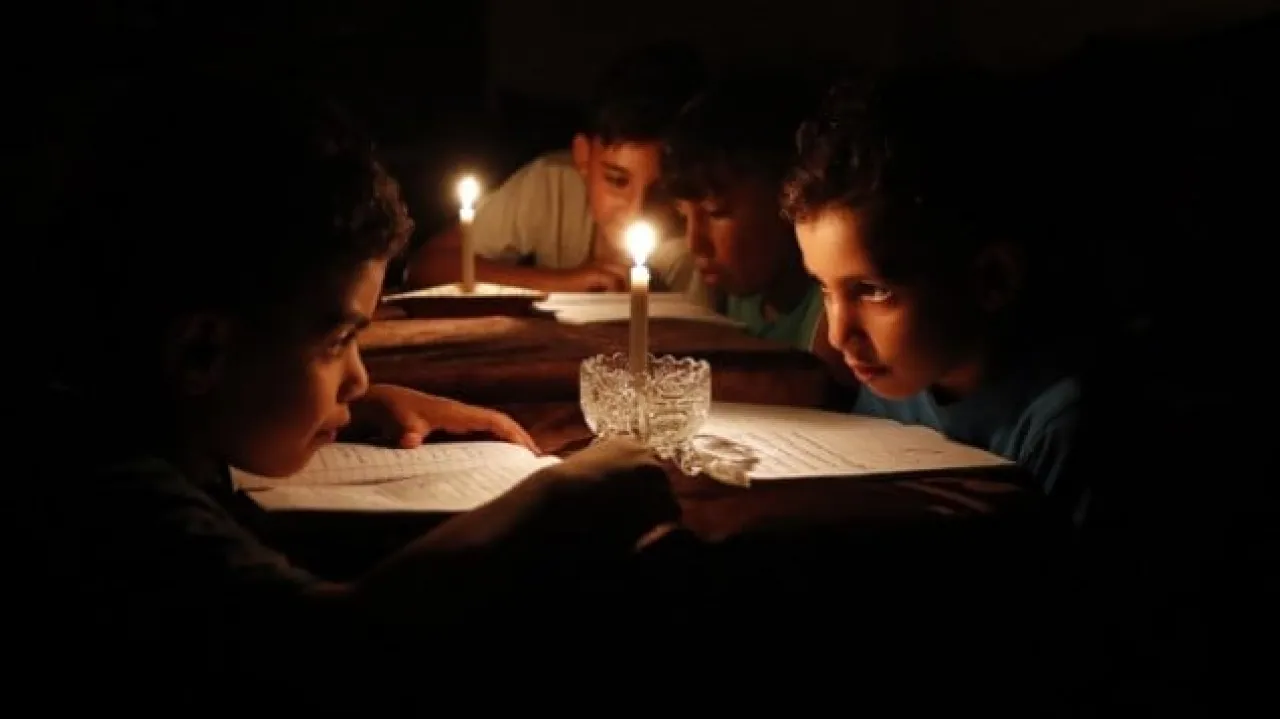
As for the Gaza Strip, he confirmed that it has been suffering from a power outage since the events of October 7, 2023, with very limited dependence on one of the Israeli lines to run a water desalination station in Deir al-Balah, in addition to solar energy and diesel generators.
Regarding the figures, Ismail stressed that Palestine relies on Israel for 88.7% of its electricity needs, and 8.2% on solar energy, while 100% of the fuel is secured through the Israeli market, and the availability of gas depends entirely on the Israeli side.
Ismail confirmed that the current crisis has two dimensions; the first short-term linked to the war, characterized by rising prices and risks of supply disruption and possibilities of temporary rationing, and the second structural long-term linked to nearly complete dependence on a single energy source, weak local generation, despite licenses granted to two gas-fired power stations capable of covering about 40% of the West Bank’s needs, pointing to the limited infrastructure for transport and storage systems, and the urgent need to accelerate renewable energy projects to reach 30% by 2030, alongside increasing regional imports, especially from Jordan.