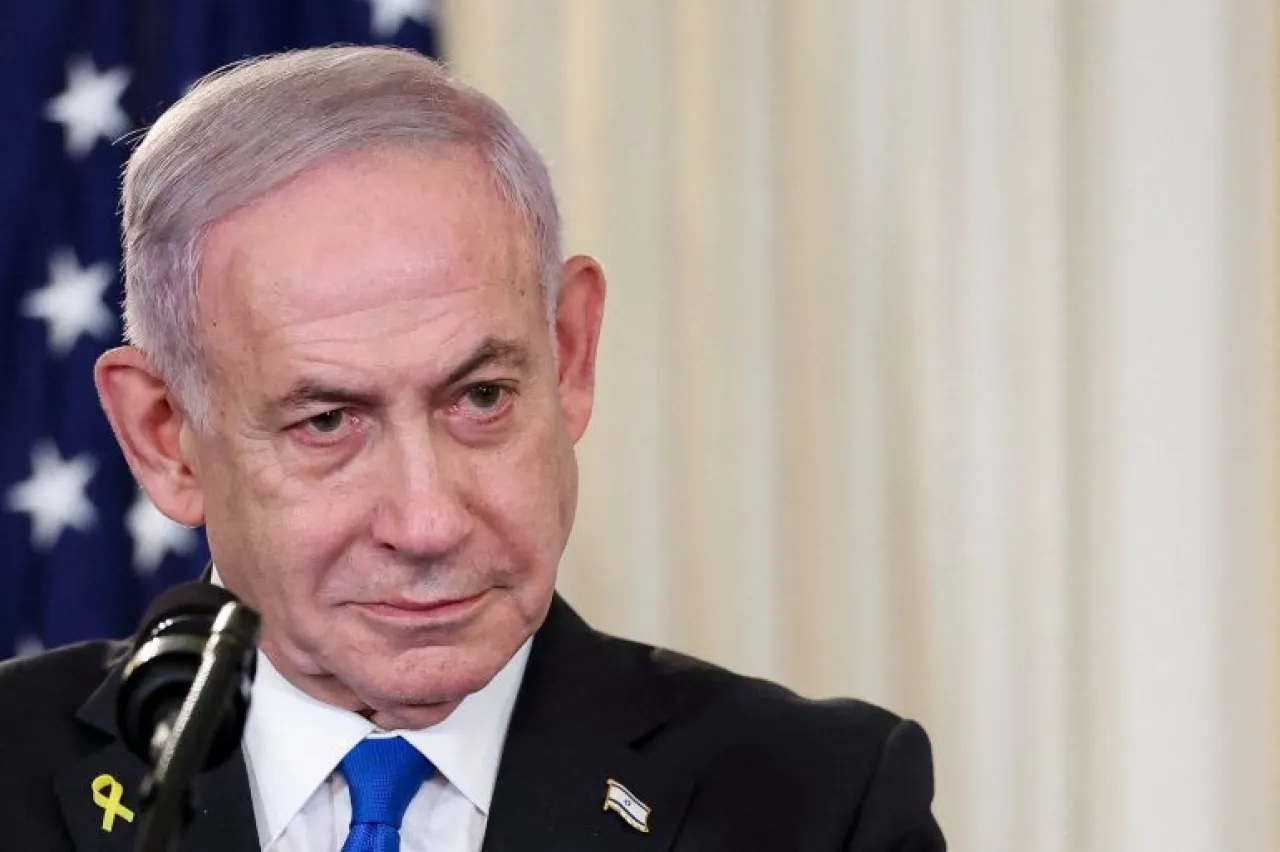
Khaberni - Israeli Prime Minister Benjamin Netanyahu proposed a plan to reduce reliance on the Strait of Hormuz, calling for the redirection of energy supply lines away from what he described as the "Iranian geographical choke point".
In an interview with America's Newsmax network, Netanyahu said that one long-term strategic option involves creating alternative energy transport routes heading west, starting from Saudi Arabia, through the Red Sea, and reaching the Mediterranean, thus avoiding the risks associated with the Straits.
He pointed out that if implemented, this step could redraw the global energy supply map and minimize Iran's ability to influence oil movement through the Strait of Hormuz amidst escalating military tensions in the region.
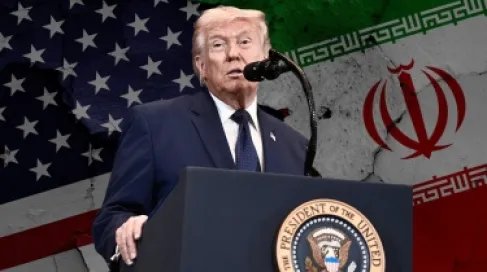
In the context of accelerating escalation, former U.S. President Donald Trump has threatened to expand military operations against Iran, threatening total destruction of vital infrastructure, including power stations, oil wells, and Kharg Island, should ongoing negotiations fail. These threats come despite Washington's claims of "significant progress" in the talks, against an Iranian denial of any direct negotiations and insistence that what is happening merely involves message exchanges through intermediaries.
This coincides with a serious escalation concerning the Strait of Hormuz, where the United States signals its eventual control over the vital passage “sooner or later” to ensure freedom of navigation. Meanwhile, the Iranian Parliament has passed legislation that asserts full sovereignty over the strait, including security arrangements and possible restrictions on the passage of certain countries. Tehran has warned that any "provocative" steps in this regard might lead to further regional escalation.
These developments occur amidst severe disruptions in the global energy markets, following navigation interference in the strait, through which about one-fifth of the world's oil supplies pass, leading to price increases and rising concerns over a prolonged energy crisis. These threats reflect the shift of the conflict from direct military confrontation to a struggle over control of energy lines and strategic passages, at a time when reciprocal strikes have continued since late February, with increasing risks of regional war expansion.