Khaberni - Two American officials said today, Monday, that thousands of soldiers from the 82nd Airborne Division, an elite division in the U.S. Army, have started arriving in the Middle East, at a time when President Donald Trump is considering his next steps in the war against Iran.
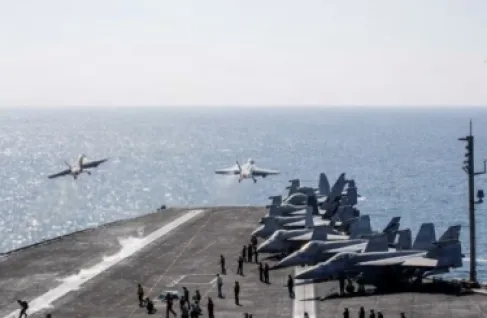
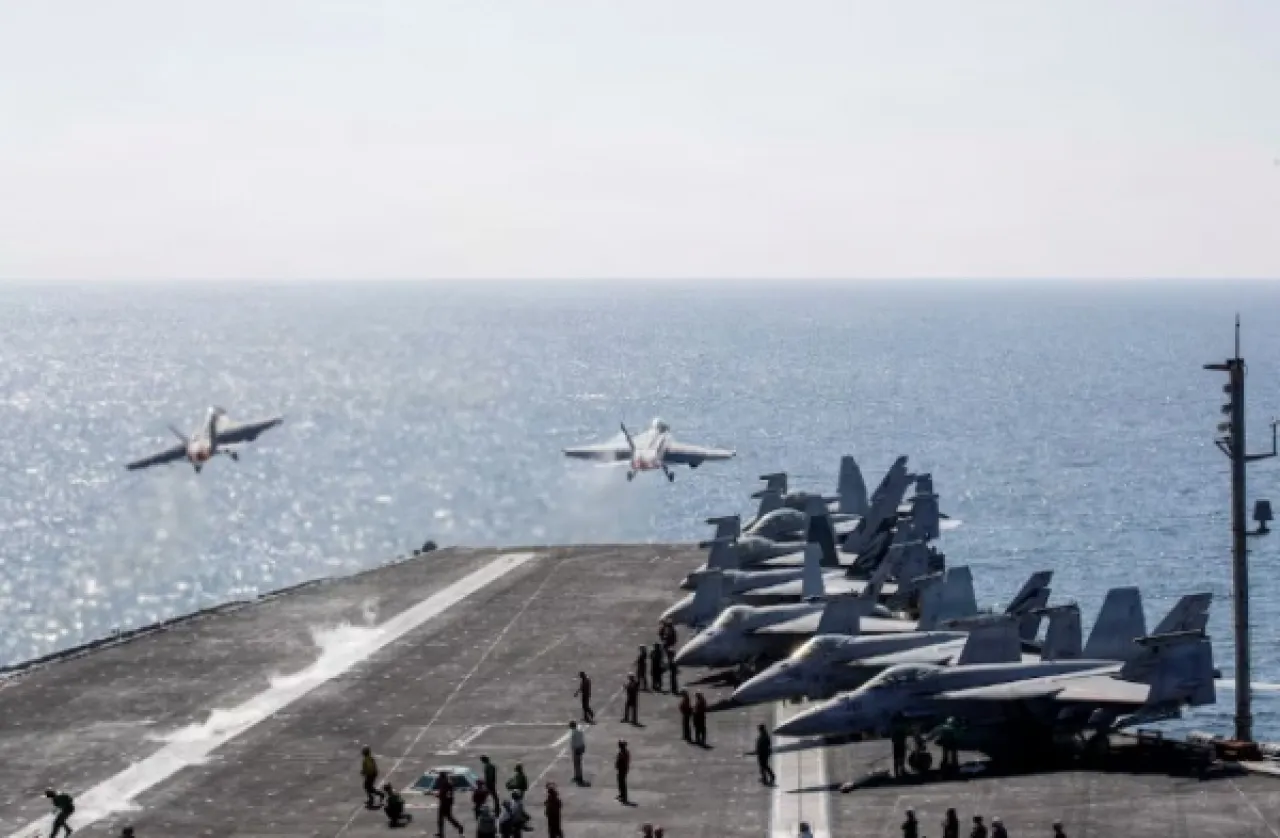
The paratroopers stationed at Fort Bragg in North Carolina will join thousands of additional sailors, Marines, and special operations forces who have been sent to the region. About 2,500 Marines arrived in the Middle East at the beginning of this week.
The officials, who refused to disclose their identity, did not specify the exact location where the troops would be deployed, but this move was expected.
The deployment process includes elements from the 82nd Airborne Division, some logistic support units, and others along with one combat brigade.
One source mentioned that no decision has been made to send forces to Iran, but their presence would enhance capabilities in preparation for any operations that may occur in the region in the future.
Trump's Options
The soldiers can be used for various purposes in the war with Iran, including the seizure of Kharg Island, through which 90 percent of Iranian oil is exported.
Earlier this month, Reuters reported that there were discussions within the Trump administration about an operation to seize the island. Such a move would be risky, as Iran could reach the island with missiles and drones.
Reuters had previously reported that the administration discussed using ground forces inside Iran to obtain highly enriched uranium, but this option would mean the presence of American forces deep within Iran for longer periods, in an attempt to extract buried materials.
The internal discussions in the Trump administration included the possibility of sending American forces inside Iran to secure the passage of oil tankers through the Strait of Hormuz. While this mission would primarily be conducted through air and naval forces, it could also mean deploying American forces on the Iranian coast.
Trump said today, Monday, that the United States is holding talks with a "more rational regime" to end the war in Iran, but he repeated his warning to Tehran about the necessity to open the Strait of Hormuz, otherwise, it would face American attacks on its oil wells and power stations.
Any use of American ground forces - even on a limited mission - poses significant political risks for Trump, given the low American public support for the campaign against Iran, and Trump's pre-election promises to avoid involving the United States in new conflicts in the Middle East.
Since operations began on February 28, the United States has conducted airstrikes on more than 11,000 targets. More than 300 American soldiers have been injured, and 13 soldiers have been killed during Operation "Epic Fury."