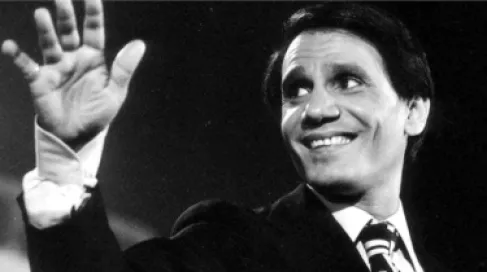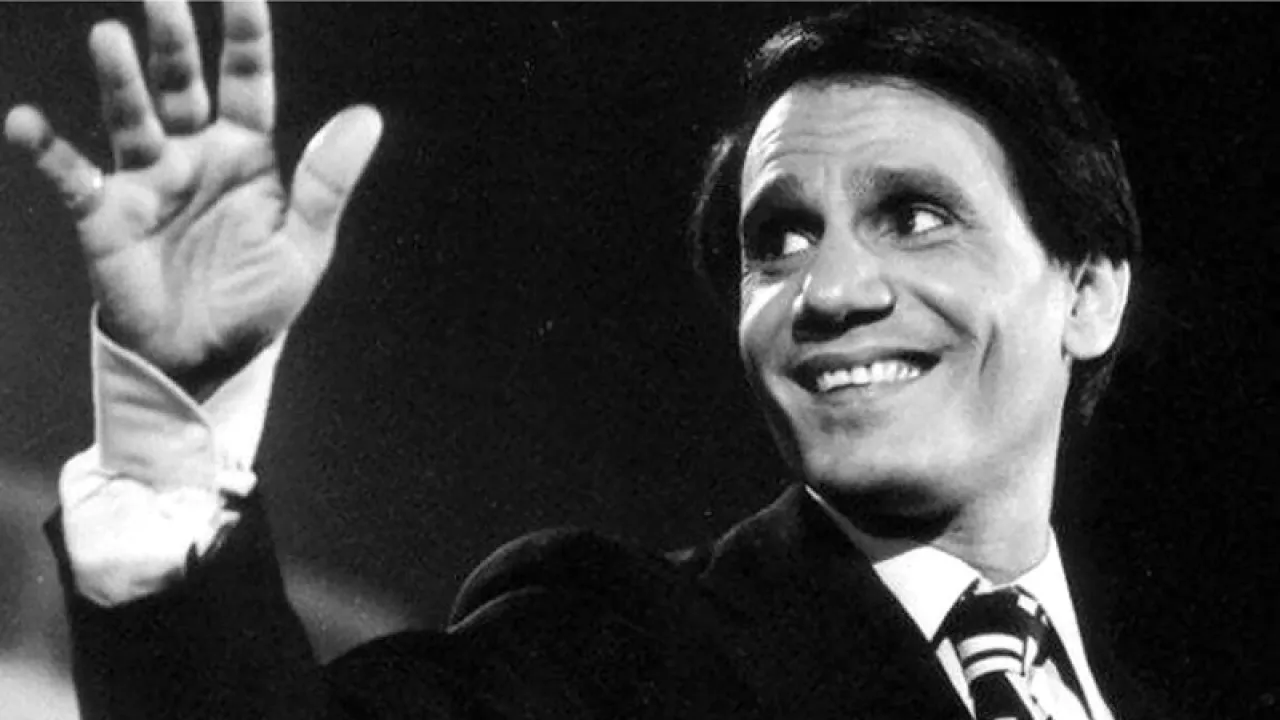
Khaberni - Today, the 30th of March, marks the anniversary of the departure of the artist Abdel Halim Hafez, who became a cross-generational Egyptian phenomenon in the history of Arab singing, with a rare blend of exceptional talent that rebelled against classical molds, and a noticeable intelligence in using political and social changes to benefit his musical project, especially during the fifties and sixties of the last century.
Despite his short life from 1929 until 1977, "the Dark Nightingale" produced more than 240 works and sold over 80 million records, in a unique career distinguished by a mournful voice and a deep sense of sadness that transformed into a "safe emotional haven" for millions of lovers from the Atlantic to the Gulf.
Among the most prominent factors that contributed to the phenomenon "Halim":
A revolution against classical molds
Before Abdel Halim, the Arab song relied on long emotional singing and complex vocal ornaments, leading the slim boy who suffered early orphanhood to spearhead the "short song" revolution, rebelling against boring prolongation.
He also collaborated with musical geniuses like Kamal El Tawil, Baligh Hamdi, and Mohamed El Mougi, who crafted melodies for him that fused Eastern authenticity with Western modernity, such as the use of electric guitar and organ for the first time.
Torments of the mournful voice
Perhaps Abdel Halim did not possess the most powerful voice in terms of "operatic range", but he certainly had "the most sincere" voice in terms of emotion, featuring a mournful timbre and an extraordinary ability to color his performance to suit the word, from romantic to patriotic to popular, singing as though whispering into every listener's ear; creating an unprecedented intimacy with the audience without any affectation or vocal muscle-flexing.
The voice of political change
Abdel Halim Hafez is considered the "unofficial voice" of the July 1952 revolution in Egypt, which transformed the country from a monarchy to a republic, and his success was linked to the rise of President Gamal Abdel Nasser, as his fusion of art and politics gave him enormous popular credibility, making him a symbol of an entire historical era.
The tragic hero
Abdel Halim's personal life played a pivotal role in creating his legend, beginning with orphanhood at a young age, followed by a long and bitter struggle with schistosomiasis and recurrent stomach bleeding; adding a halo of a "tragic hero" who sang despite the pain, and battled death for the sake of art.
Cinema as a platform for spread
Abdel Halim early on recognized the power of cinema, utilizing his calm elegance and overwhelming presence to portray "the romantic dreamy young man" who represents every girl's dream boy and the modern ideal for men, expressing the duality of dream and disillusionment in a visual narrative suitable for addressing all generations.