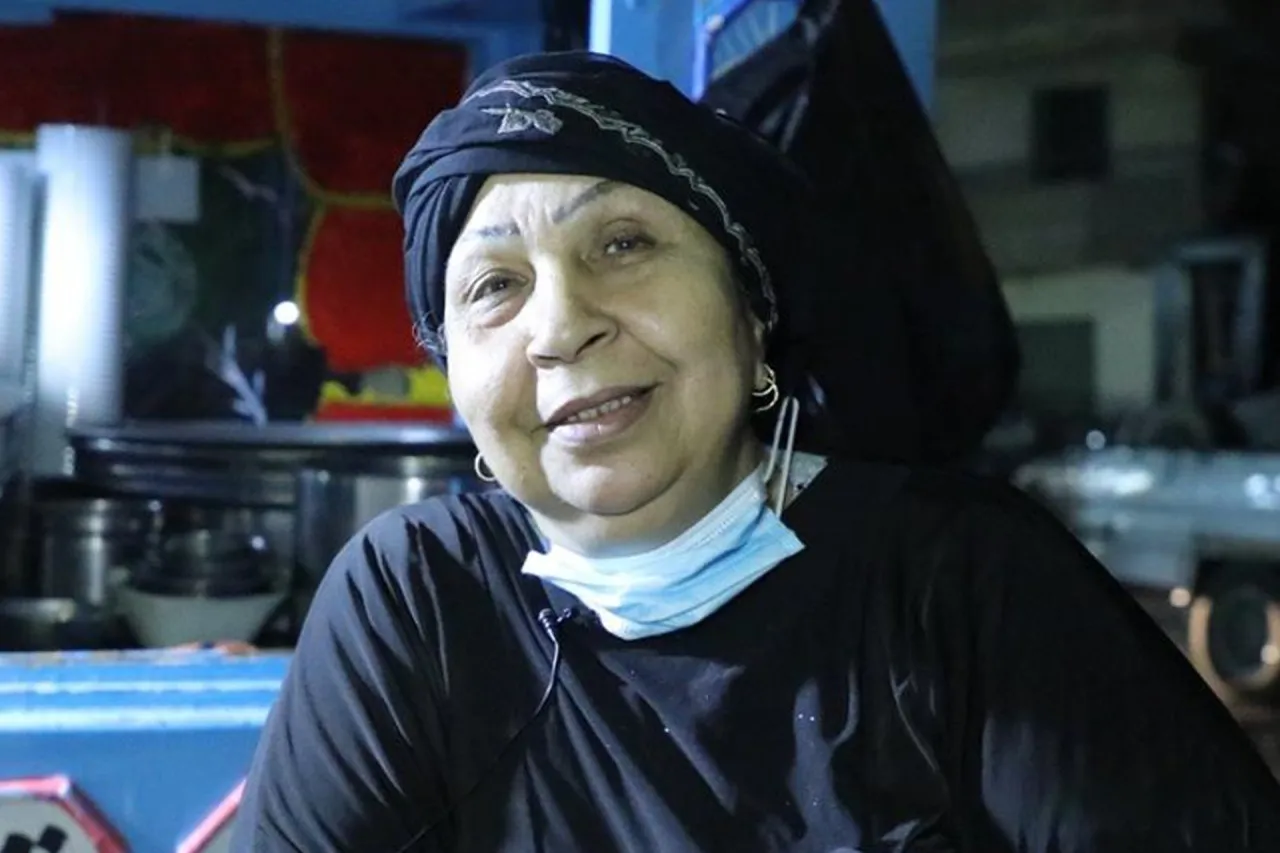
Khaberni - After a long struggle with illness over the past years, the Egyptian actress Fatma Koshary passed away, one of the most famous faces in the film industry, at the age of 68, leaving behind a special presence in the memory of viewers despite the simplicity of the roles she performed.
Her funeral is scheduled today, Monday, after the noon prayer, from Al-Shuhada Mosque in Ahmed Helmy Square in Shubra, Egypt, in the capital, Cairo.
Sorrow and Appreciation Sweeps the Platforms
The news of Fatma Koshary's passing has sparked a state of sadness within the artistic community and among the audience, who were linked to her simple appearances and her light-heartedness, and many remembered her phrases that over time became part of the viewers’ memory.
A number of social media users expressed their sadness about her death, many paid tribute and prayed for her, pointing to her distinctive presence despite the limited scope of roles she offered.
One follower wrote: "The death of the most famous extra in the history of Egyptian cinema, pray for her mercy and forgiveness," while others recalled scenes and roles that they considered part of the features of popular comedy over the past decades.
Extended Health Struggles
Since 2021, Fatma Koshary faced harsh health conditions after undergoing abdominal surgery for a hernia, before her condition worsened with the emergence of complications including recurrent swelling and unclear causes of abscess collection, which led her to undergo another surgical intervention to deal with these complications.
After the surgery, she struggled with mobility and had to use a cane, with some health complications persisting, before her condition gradually deteriorated in the recent period until she passed away in the past few hours.
From a Koshary Cart to the Shooting Studios
The late artist was named Fatma Sayed Awad, and was known artistically as “Fatma Koshary”. Although her presence was mostly in minor roles, she succeeded with her light-heartedness and spontaneity in becoming a familiar and beloved face to the audience, making her a frequent choice in comedy works.
Her entry into the world of acting was spontaneous and unplanned, as she happened to be at a filming location while heading to take care of a need, where she requested to participate as an extra, beginning her journey with art. Her first steps on the screen were through the film “Struggle of the Grandchildren” in 1989, in addition to her participation in “Execution Battalion”, where her salary at that time did not exceed 10 Egyptian pounds (about 0.2 USD), before she continued to appear in several works thereafter.
She continued to work on a koshary cart with her husband alongside her work in the arts, which added to her image among the public the features of a simple, fighting popular woman, who appears on screen as she is in life.
Widespread Presence
Her artistic career included a large number of works in cinema, theater, and television drama. In cinema, she participated in films such as: "Shikamara", "The Best of Times", "Aunty France", "A Groom from the Security Side”, "It’s Chaos", "El-Limby 8 Giga", "H. Dabor", "Ramy the Intifada", and "Ramadan Mubarak Abu Al-Alamein Hammouda".
On stage, she appeared in shows including "Keda Okay", alongside her participation in the Kuwaiti play "Crisis and Pass".
In television drama, she had a recurring presence in several series, among them "Prison of Women", "Wanus", "Girls' Coquetry", "I Want to Get Married", "A Man and Six Women", "Tamer and Shawqia", "People of Cairo", "Sharbat Loz", becoming an established face that added lightness and warmth to the scenes she participated in.