Khaberni - Minister of Agriculture, Vice President of the Supreme Council for Food Security, Saeb Al-Khraisat, confirmed that reducing food waste has become a national priority in Jordan, amid accelerating regional and international challenges, which impose pressures on supply chains and increase shipping and production costs.
Al-Khraisat stated, on the occasion of the International Day of Awareness on Food Loss and Waste, that Jordan is continuing to enhance the efficiency of food resource management and reducing loss and waste, which contributes to strengthening Jordan's ability to face global fluctuations, noting that these efforts align with national orientations to enhance food security and sustainability.
He explained that the results of the national study to measure food waste in Jordan (2024–2025), conducted in collaboration with the Department of Statistics and the World Food Programme, showed that the household sector is the largest source of waste, where the average per capita is about 81.3 kg annually, an amount sufficient to feed another person for approximately 28 days. Nationally, the total amount of food wasted amounts to about one million tons annually, sufficient to feed approximately one million people each year.
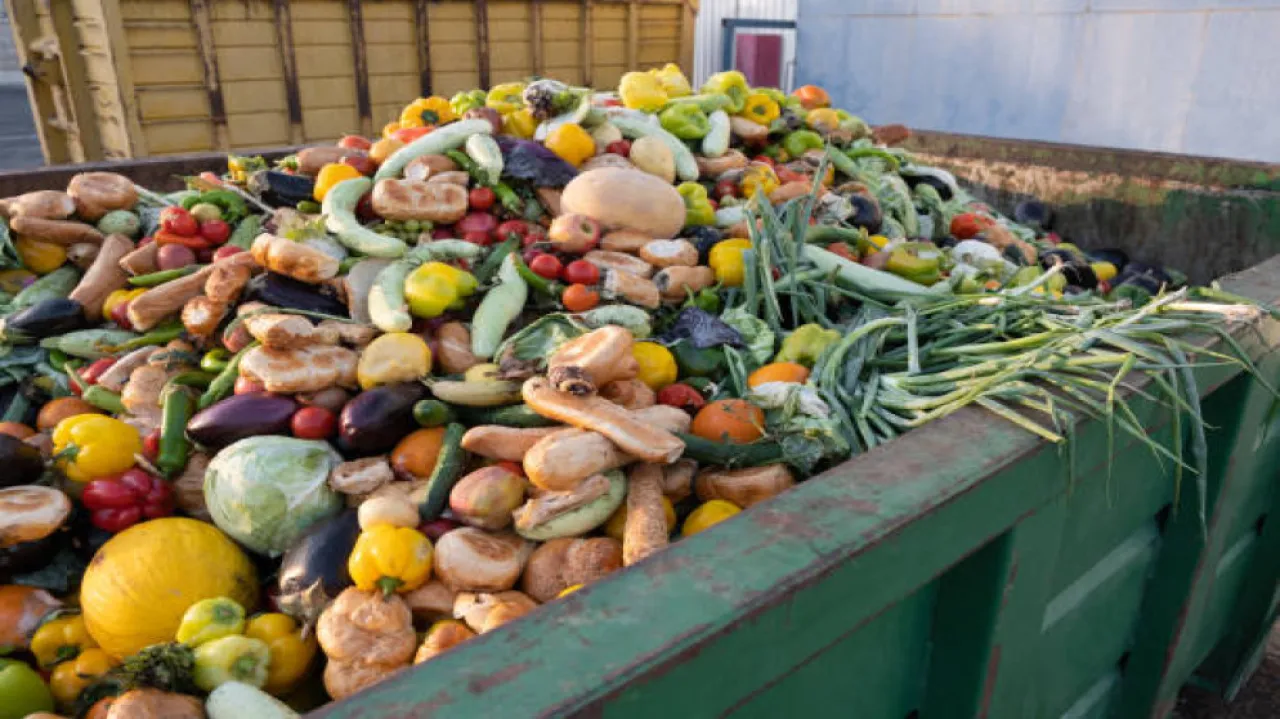
He added that vegetables and fruits account for the largest proportion of wasted food, with vegetables constituting 40.2%, and fruits 32.4% of the total wasted quantities, confirming that consumption patterns and shopping habits represent the most prominent causes of this waste.
He noted that the restaurant sector records about 12,291 tons of food waste annually, most of which is concentrated during the preparation and processing stages due to poor planning and procurement management, while the waste in the hotel sector amounts to about 3,739 tons annually, with the higher percentage of it concentrated in the service stage.
He explained that the hospital sector records about 1,302 tons of wasted food annually, with the public sector accounting for the larger share of it, reflecting the need to improve the management of portions and food planning within these institutions.
Al-Khraisat emphasized that these indicators reflect real opportunities to reduce waste and enhance the efficiency of resource use, especially given the limited water and energy resources and the high costs of production, emphasizing that reducing food waste represents a fundamental pillar for enhancing national food security and reducing the environmental impact associated with food.
He added that food waste is not limited to just food loss, but also extends to include indirect waste in the resources used for its production, chiefly water, energy, and agricultural production inputs.
He pointed out that every amount of wasted food means the depletion of large quantities of water in a country that already suffers from water scarcity, in addition to the waste of energy used in farming, transport, storage, and cooling processes, as well as the loss of costly imported production inputs.
He affirmed that reducing waste directly contributes to relieving pressure on national resources, reducing production costs, and enhancing the efficiency of energy and water use, which positively reflects on the national economy and environmental sustainability.
He added that reducing waste contributes to enhancing the resilience of supply chains and reducing dependency on imports, alongside reducing carbon emissions and improving the efficiency of natural resource use.
He mentioned that the Supreme Council for Food Security is leading comprehensive national efforts, including the national campaign "Value it, Don't Waste it," which aims to change consumption behaviors and turn study results into practical field practices.
He noted that these efforts included preparing the first national baseline to measure food waste, implementing awareness campaigns targeting households, restaurants, and hotels, in addition to launching the "Food Waste Reduction Hackathon" and providing financial grants to support innovations in this field.
Regarding future plans, Al-Khraisat confirmed that the ministry, in cooperation with the Supreme Council for Food Security and the Department of Statistics, is working on developing national policies and enhancing monitoring and evaluation systems, and expanding the scope of studies to include additional sectors, such as retail and food industries.
He also emphasized the importance of enhancing community awareness and changing consumption behaviors through proper shopping planning, improving storage practices, managing quantities, and reusing surplus food, especially given estimates indicating that about 25% of crops are lost during production stages and supply chains.
Al-Khraisat confirmed that Jordan continues to implement national programs and initiatives to promote a culture of responsible consumption, calling on citizens and institutions in both the public and private sectors to adopt practical practices to reduce food waste, thereby enhancing national food security and ensuring resource sustainability for future generations.