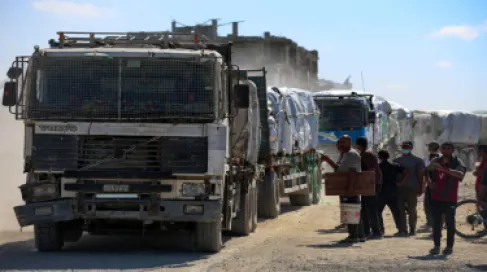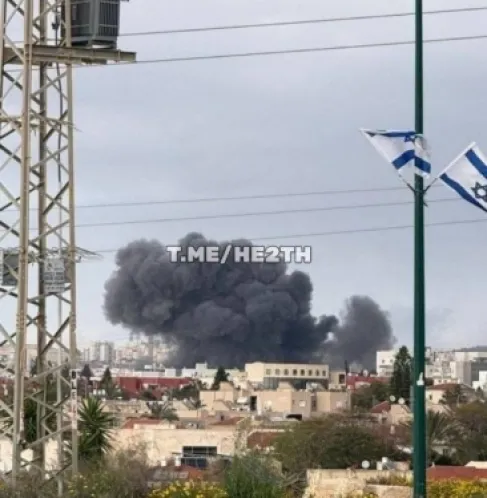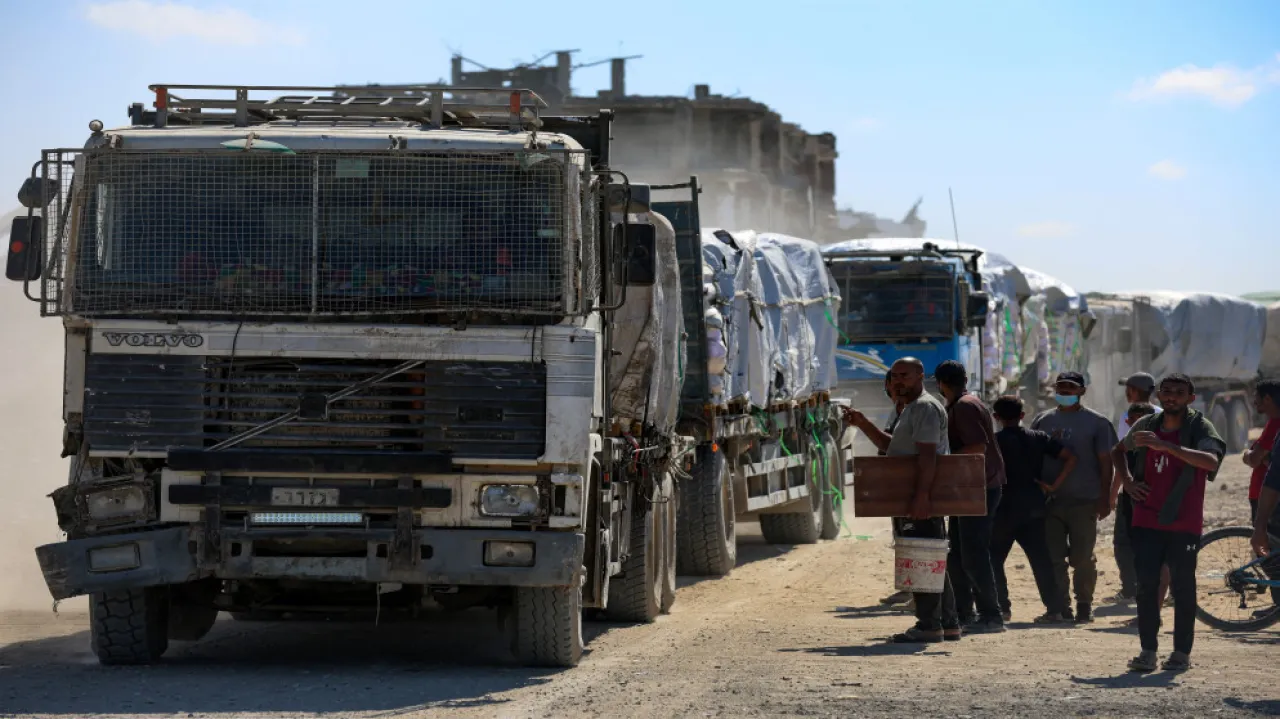
Khaberni - The spokesperson for the Gaza Municipality, Hasni Muhanna, confirmed on Monday that the crossings were hardly operational during the American-Israeli war on Iran, with only about 10% of the actual needed trucks entering the Gaza Strip. This is a clear indication of the deliberate reduction in essential life supplies, coinciding with the international community's preoccupation with the repercussions of this regional escalation.
Muhanna explained that the Gaza Strip is experiencing a rapid and dangerous humanitarian deterioration, as the Israeli occupation authorities continue to close the crossings and tighten restrictions on the entry of aid and goods without justification, directly affecting the lives of more than 2.4 million Palestinians.
He added that the occupation authorities, with the escalation of the American-Israeli war on Iran, exploited this regional escalation to intensify the policies of siege and tightening imposed on the sector. This included stricter control over the movement of crossings and greater control over the flow of vital supplies, including food, fuel, and basic goods, which exacerbated an unprecedented humanitarian and service crisis.
He pointed out that this severe shortage directly impacted the local markets, where the prices of food, vegetables, and essential goods saw a significant increase, alongside a major decline in available quantities. Additionally, there was a severe crisis in fuel and cooking gas.
Muhanna clarified that the lack of fuel caused severe damage to vital sectors, particularly the water and sanitation sector, due to the breakdown of pumping and treatment stations. Municipal services were forced to reduce waste collection and well operations, as well as the health sector, which faces a real threat due to the lack of fuel needed to operate generators.
He warned that the continuation of these policies, along with the regional escalation, directly threatens the food security of more than one and a half million people. With declining purchasing power and rising poverty rates, this increases the suffering of the most vulnerable groups, especially children, the sick, and the elderly.
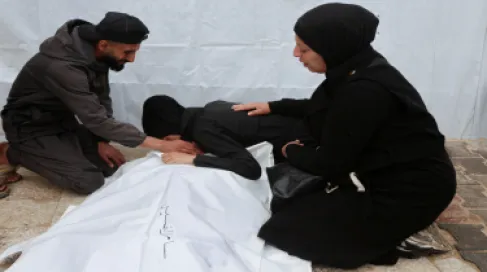
He also noted that data indicate an escalation in breaches and targeting of Palestinians, a dangerous indicator of the deterioration of the field and humanitarian situation. This occurs as the global preoccupation with the war on Iran is used to impose more restrictions on the Gaza Strip.
Muhanna called on the international community, the United Nations, and all relevant entities to press the Israeli occupation to fully and regularly open the crossings, ensuring the entry of machinery, equipment, spare parts, humanitarian aid, and fuel without restrictions, and to shield essential services from the impacts of regional conflicts.
He warned that the continuation of closure and tightening policies amid this regional escalation forewarns of an unprecedented humanitarian disaster in the Gaza Strip, threatening a complete collapse of essential services, and urgently calling for international action to ensure the protection of civilian lives and the continuity of life resources in the sector.