Khaberni - A recent scientific review has revealed that blood type may play a limited role in determining the risk level of contracting certain diseases, primarily type 2 diabetes, with blood type B emerging as a factor associated with a slight increase in this risk.
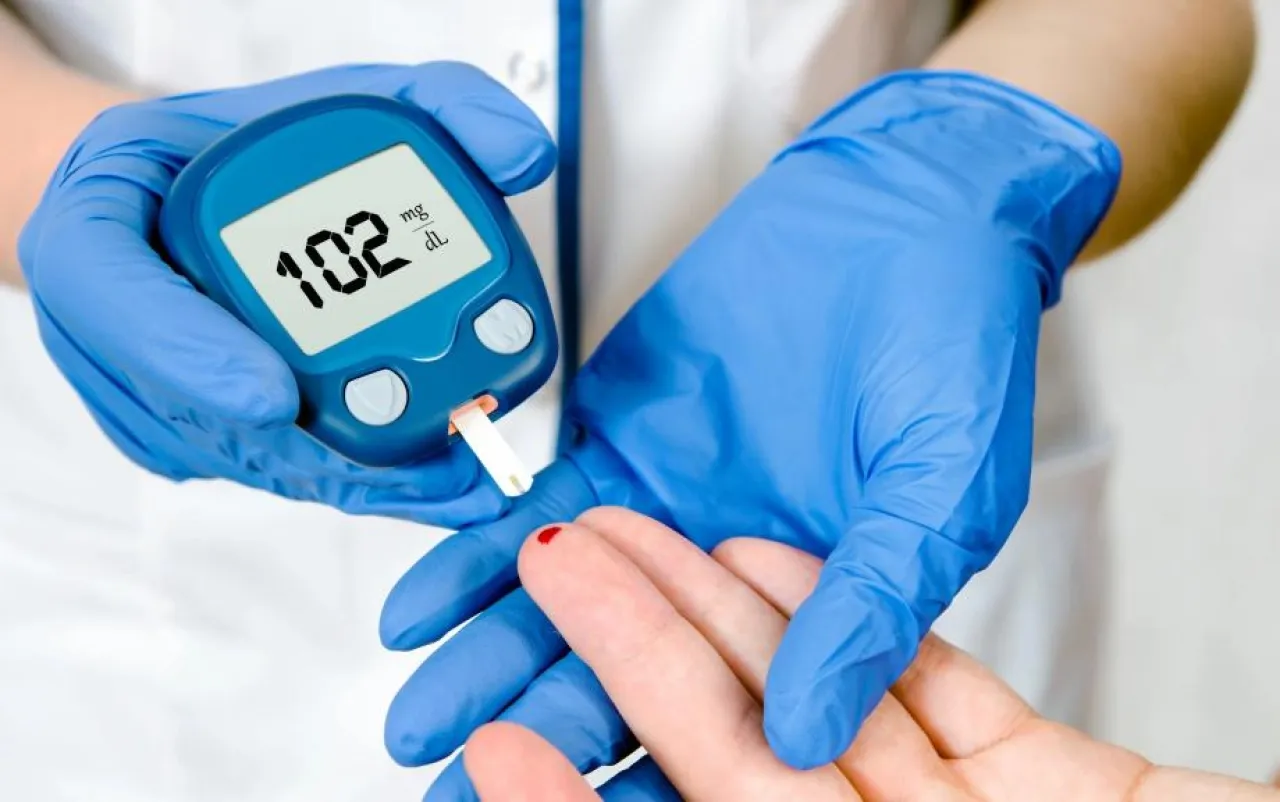
According to a comprehensive review published in the journal "BMC Medicine", those who have blood type B, both positive and negative, face a higher risk of about 28% of developing type 2 diabetes compared to others with different blood types.
Although this percentage is relatively limited, it could become significant when combined with other risk factors such as diet, physical inactivity, or overweight.
A research team led by epidemiologist Fang Hua Liu, from Shengjing Hospital affiliated with China Medical University, clarified that the relationship between blood types and health outcomes is still a topic of scientific debate, despite the large number of studies that have attempted to explore these links.
The team concluded a notable result that only one association met the criteria of strong evidence, which is the relationship between blood type B and an increased risk of contracting type 2 diabetes compared to other blood types.
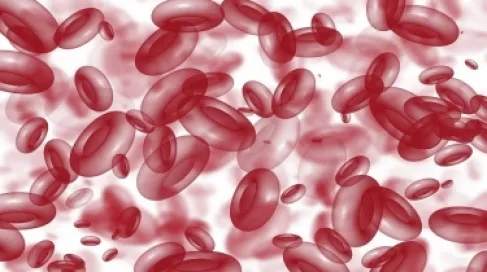
Blood types are classified into four main groups: A, B, AB, and O, based on the presence or absence of certain antigens on the surface of red blood cells, in addition to the Rh factor that determines whether the blood type is positive or negative.
The researchers point out that these subtle biological differences may be linked to some differences in disease susceptibility, although most of these associations have not yet been conclusively proven after being subjected to rigorous statistical tests aimed at excluding weak or unreliable results.
Despite the existing link between blood type B and diabetes, the researchers emphasize that its impact remains limited compared to other known risk factors.
The study did not directly address the potential biological causes behind this link, although recent research suggests a possible role for the gut microbiome in this context, which still requires further investigation.