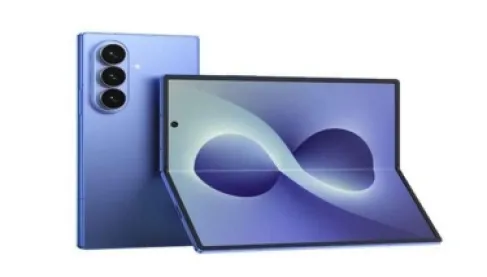
Khaberni - It seems that the latest major feature from Samsung in the new Galaxy S26 Ultra phone has not received the expected welcome from users.
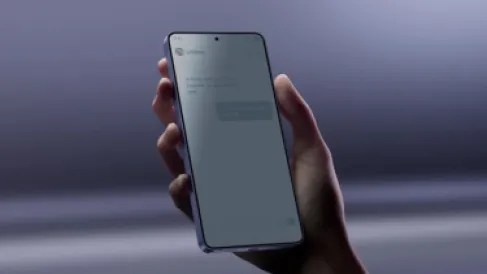
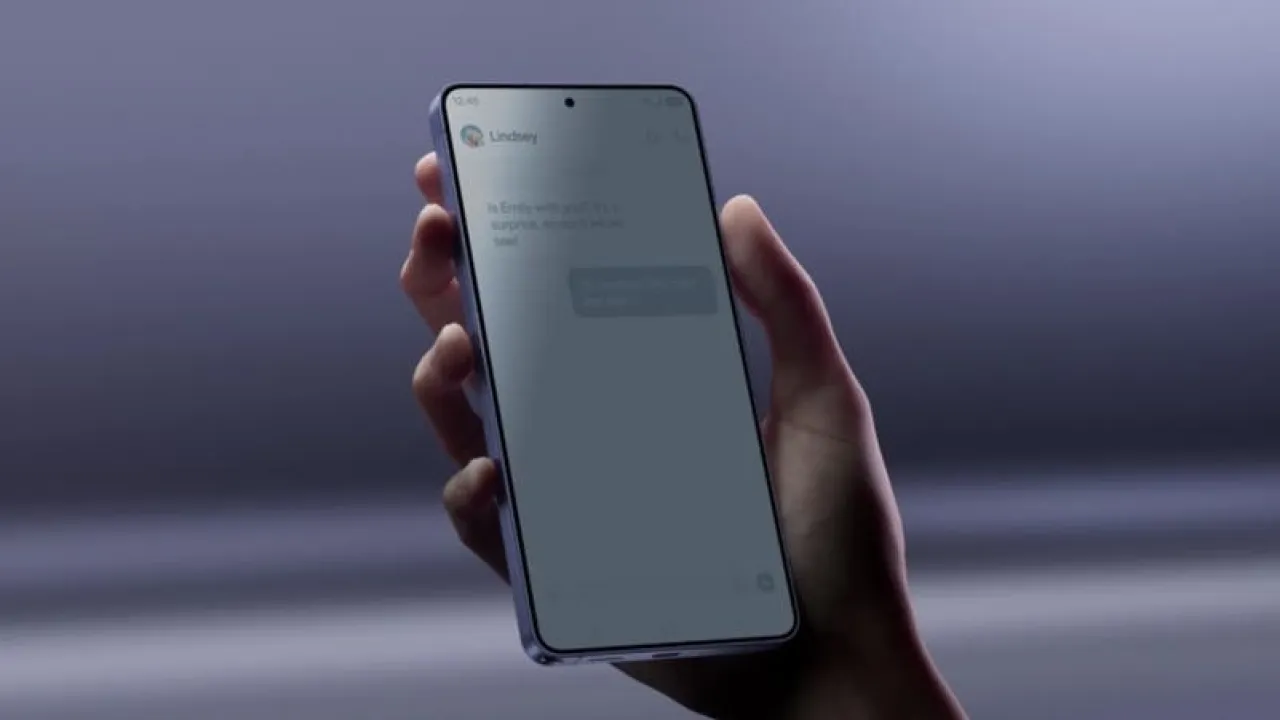
Samsung integrated a switchable privacy screen directly into the OLED display, allowing users to prevent onlookers from seeing what is displayed on the phone's screen through a quick switch option.
Reviewers praised Samsung's "Flex Magic Pixel" technology, but actual buyers tell a completely different story on the Reddit platform and Samsung's official forums, according to a report by the technology news website "Android Police".
Early users complain of eye strain, nausea, and dizziness. Well-known tech experts have also mentioned that the new screen is uncomfortable and worse than last year's model.
Samsung partially preferred a specialized feature at the expense of everyday usability, for the sake of showcasing. The result now, the S26 Ultra is still impressive, but its screen may strain the eyes, and it is slightly less quality than the older S25 Ultra screen.
The privacy feature is integrated directly into the OLED layer, and Samsung has relied on a dual-pixel setup called "Flex Magic Pixel", where engineers divided the screen into two sets of subpixels: narrow and wide.
The wide pixels work like regular pixels, distributing light evenly, which maintains the brightness and color accuracy of the screen from almost any angle.
As for the narrow pixels, they operate differently, as Samsung added microscopic apertures within them to control the direction of the light.
When the privacy screen mode is activated, the phone turns off the wide pixel units, and only the narrow pixel units remain lit. Since they cannot scatter light sideways, anyone trying to look at the phone screen from a certain angle sees a black screen.
Samsung also added fine control and automation to the feature, where a user can adjust the screen to hide specific banking apps, notifications, or automatically activate it when entering a PIN or pattern.
Why does the S26 Ultra screen cause headaches?
Given that the S26 Ultra screen is divided between wide and narrow pixel units, it struggles to display images evenly.
Moreover, daily movements like tilting the phone may sometimes make the narrow pixel units disappear even when both pixel groups are active.
When the phone is returned to an upright angle, the narrow pixel units suddenly illuminate the retina, a phenomenon users on forums call the "punch effect".
The sudden change in brightness leads to a small flicker or glint on the screen, forcing the eyes to constantly readjust focus. This is the reason for the headaches and other complaints shared by users on the Reddit platform.