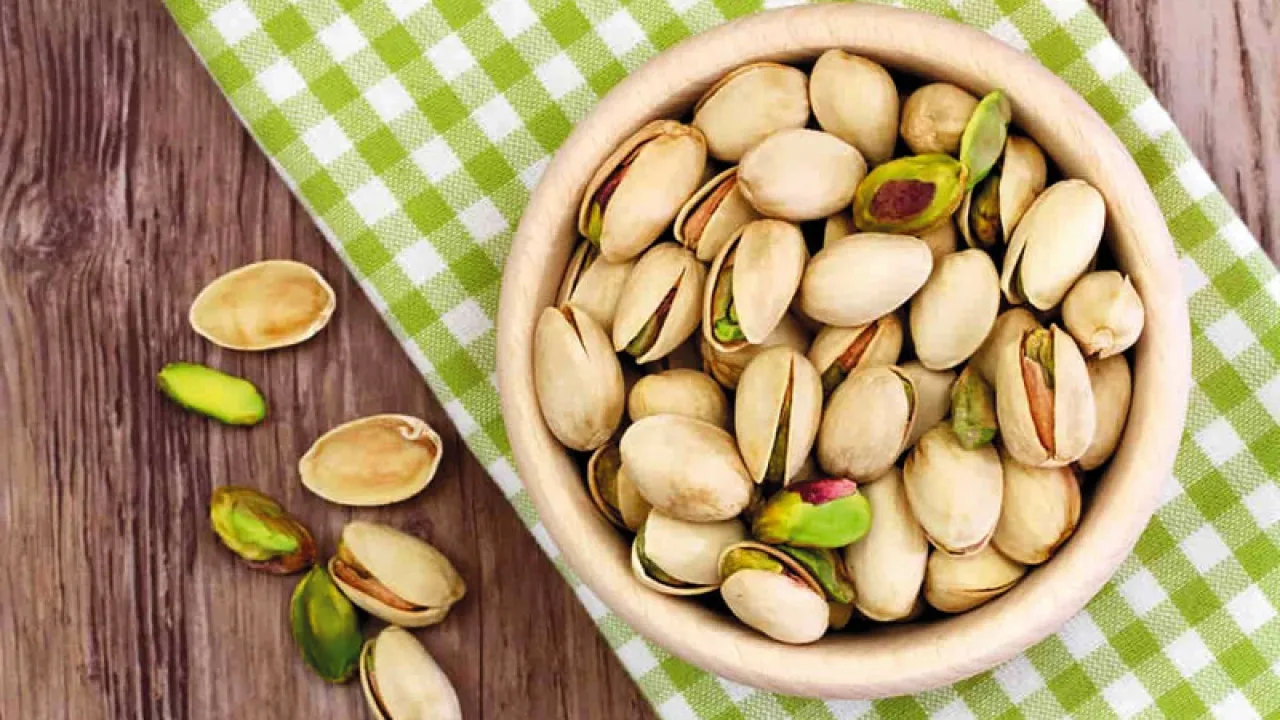
Khaberni - Pistachios have transformed over recent years from being a traditional snack to a main ingredient in a wave of luxury products, now present in various forms of sweets and beverages.
Pistachios are known for being rich in fiber and healthy fats, alongside important nutrients, and their consumption has been linked to a number of health benefits, most notably supporting heart health and helping to control appetite.
However, a large part of the modern products that bear the name of pistachio contains high amounts of sugar and saturated fats, which actually turns them into more of a candy option rather than a healthy choice.
Nutrition experts, according to the "Daily Mail," state that one handful of pistachios (about 30 grams) provides approximately 3 grams of fiber, which is about 10% of the recommended daily intake, in addition to contributing to improved digestion and supporting beneficial bacteria in the gut, which positively affects energy levels and stability.
Pistachios also contain a high percentage of unsaturated fats, which are associated with heart health, compared to a low level of saturated fats, making them a better choice within a balanced diet.
Studies suggest that the body's absorption of its calories may be less than expected due to its nutritional composition, which explains why it is not directly linked to weight gain when consumed in moderation.
As for carbohydrates, pistachios are relatively low, with one serving containing about 8 grams, most of which are linked to fiber, helping to reduce spikes in blood sugar levels.
Despite their benefits, experts warn against following processed products containing pistachios, such as creams and confections, which are often loaded with added sugars and vegetable oils, losing the original health value of pistachios.
Regarding its weight and impact on the body, specialists indicate that pistachios do not cause obesity when consumed moderately; instead, they may contribute to weight loss due to their protein and fiber content that enhances the feeling of fullness, in addition to requiring effort during consumption if it is unshelled, which slows down the consumption pace.
Pistachios contain a group of important vitamins and minerals, notably vitamin B6, vitamin E, potassium, and magnesium, in addition to antioxidants that play a role in protecting cells from oxidative stress.
Despite these benefits, pistachios cannot be considered a cure or a means of disease prevention on their own, but rather part of a comprehensive diet. Experts stress that overindulging in any food, even healthy ones, can have negative health impacts.
Meanwhile, specialists advise caution for certain groups, such as individuals with nut allergies or those with irritable bowel syndrome, as well as patients taking blood-thinning medications, where pistachios may affect vitamin K levels in some cases.
Pistachio butter is only considered a healthy option if it is 100% natural and free from additives, while many commercial products turn into high-sugar, high-fat options, closer to confections than to healthy foods.
In the midst of this widespread proliferation, pistachios seem to have successfully established their presence as one of the prominent "food trends" in the modern age, being both a genuine healthy ingredient and a marketing icon in the world of sweets and beverages.