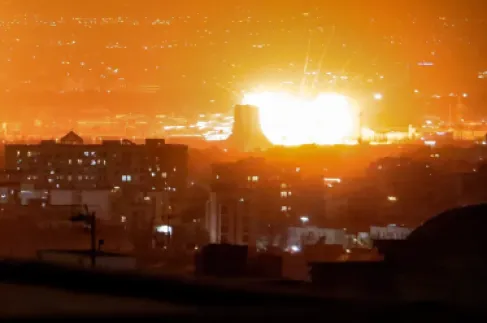
Khaberni - Israel faces a critical challenge in air defense with the ongoing war and depletion of stockpiles, starting to ration the use of its missiles, as Iranian missiles breached Israeli defenses and struck fortifications near the Dimona reactor.
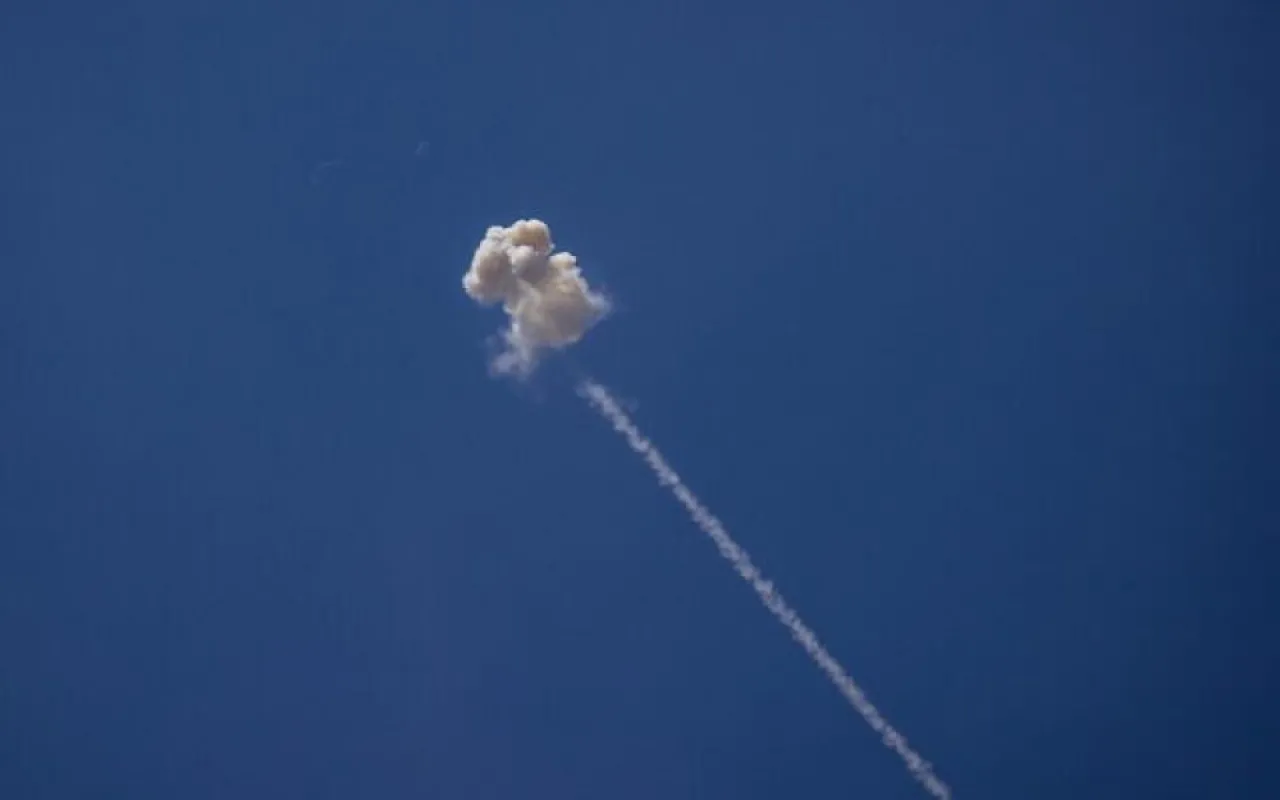
Among warnings of depleting capabilities, Israel has begun rationing the use of its advanced interceptor missiles to preserve its stockpiles in the face of a continuous barrage of Iranian missiles for four weeks.
It has relied on upgraded versions of less capable munitions, such as "David's Sling" and "Iron Dome," to intercept long-range missiles, although two Iranian ballistic missiles directly hit Dimona and Arad cities after interception failures.
According to the "Wall Street Journal", this military pressure reflects the war turning into a race to deplete stockpiles. Tal Inbar, a senior analyst at the American Missile Defense Alliance, said, "The number of interceptor missiles of each type is limited. As fighting continues, this number declines. As it decreases, more precise calculations must be made about what will be used."
Israel entered the conflict with "Arrow" stockpiles depleted due to the war of June 2025, prompting the updating of lower-tier system software. Ran Kohav, a reservist brigadier and former commander of the Israeli Air and Missile Defense Forces, said: "We are trying to extend its use to a higher level and keep the interception process from the ground as much as possible. This works well in some areas, and in other areas, it does not."
He added about the "Iron Dome": "Today, the system intercepts missiles over hundreds of kilometers, as well as unmanned aircraft."
Following the hit on the nuclear reactor in Dimona, elderly residents from the neighborhood opposite the explosion site were moved to a shelter. Ahmadil Ben Yehuda (69 years old), who lives near the explosion site in Dimona, said: "It's not over yet. We receive a reminder every few hours through the warnings on the phone, the new alarms, and the explosions."
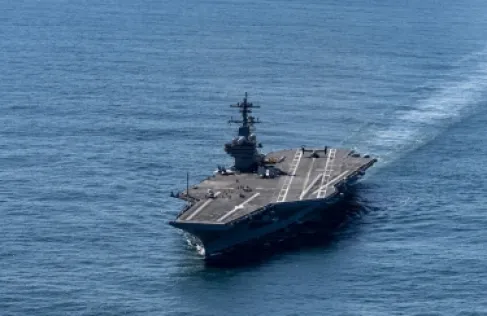
On a related note, Gulf states face similar pressures, while global supplies experience problems, as US "THAAD" missiles have begun to run out amid a global shortage. Tom Caraco, director of the Missile Defense Project at the Center for Strategic and International Studies, said: "We are depleting the production of many years in the past few weeks. Even if we maximize production with the expected increase in missions, which we need, it will still take many years before we make up for what has just been used."
Analysts see that the combat model is unsustainable. Caraco added: "These are rare national resources, and we need them in other parts of the world. This is not something we can continue doing."