Khaberni - The spokesperson for the Ministry of Water and Irrigation, Omar Salameh, said that the recent rainfall has significantly helped in increasing the reserves of dams and water harvesting locations, confirming that the ministry dealt with the weather developments according to an approved emergency plan without recording any significant damages.
Salameh added on Friday that the ministry has been handling efficiently since the start of the weather depression affecting Jordan, with floods and repeating floods in several dams.
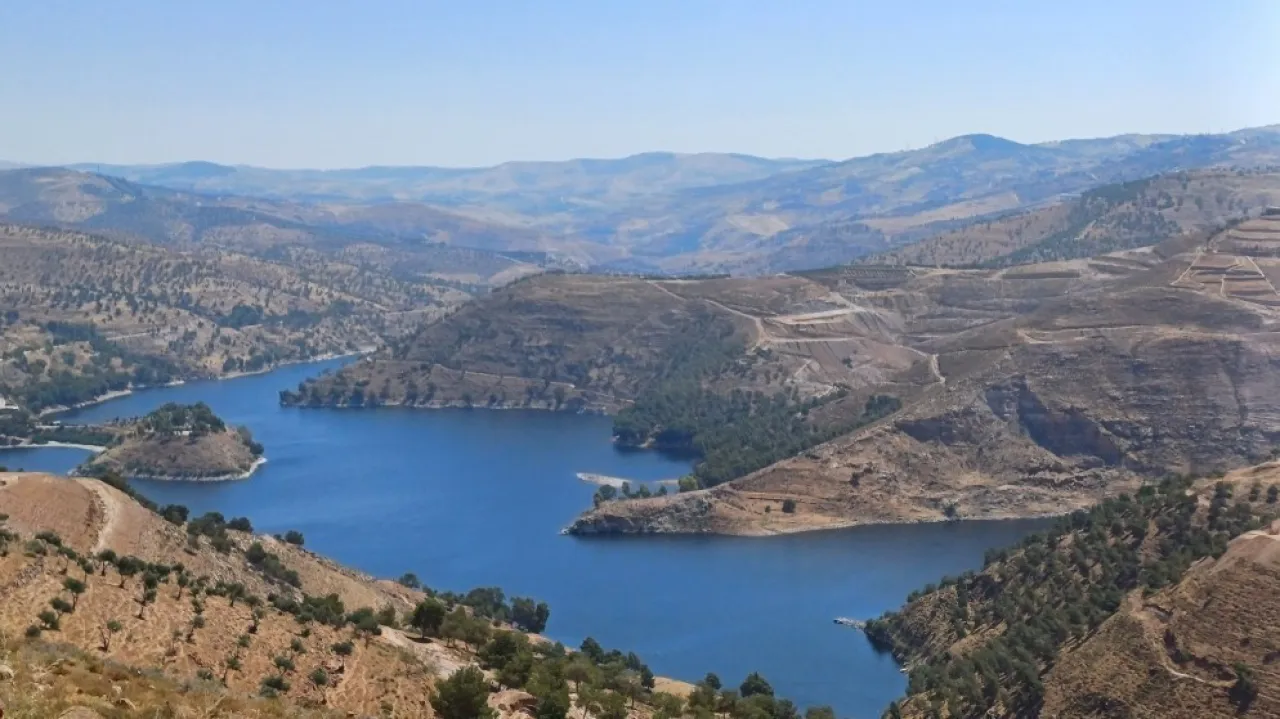
He explained that the dams that experienced flooding include: Tannur Dam in Karak, Lajoun Dam, Mujib Dam, Wihdeh Dam, Shueib Dam, King Talal Dam, and Wadi Shueib Dam.
He pointed out that the floodwaters were discharged along the Jordan Valley and utilized by diverting them for storage in the King Abdullah Canal and Karamah Dam.
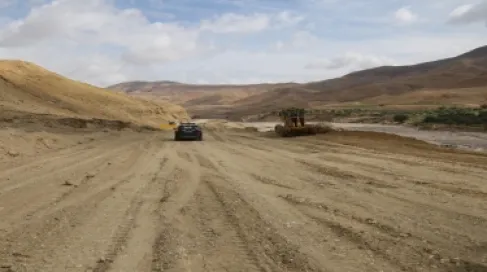
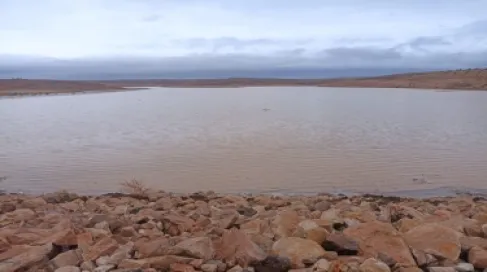
Salameh indicated that most of the quarries and desert ponds have seen a significant rise in their reserves, such as Deir Al-Kahf Dam and Al-Buwayda Dam, among others, and water harvesting sites that contribute to the replenishment of groundwater, especially in the Al-Qa/Al-Azraq area and Qa Khana, which will positively reflect on the groundwater basins.
He mentioned that the ministry informed the farmers in the Jordan Valley area about the necessity to fill all agricultural ponds, to ensure the maximum possible benefit from the floodwaters of the dams and others.
Salameh stated in previous press statements that the average annual rainfall in the kingdom is about 8.1 billion cubic meters in the long term, explaining that 80% of the storage capacity in the main dams has been stored this season, except for the Unity Dam, which is expected to improve storage by the end of the season, a ratio which is excellent at this time compared to previous years.
He affirmed that the last rainy season is one of the excellent seasons, noting that to date, 72% of the annual average has been recorded, compared to last year which was only 12.8% in the same period, which will have a positive impact on improving groundwater recharge after years of decreased and declining precipitation rates. He added that some areas witnessed high precipitation rates, where in Karak Governorate it is 98% of the annual average, in Aqaba about 199%, in Madaba about 91%, in Ajloun about 69%, in Zarqa 88%, and in Balqa 71%, while in Ma'an about 37% and in Jerash the annual precipitation rate did not exceed 38.5%.
Salameh pointed out that Jordan is one of the countries with high efficiency in rainwater harvesting, noting that the kingdom covers about 89,000 square kilometers, most of which are desert lands comprising 92% of the total area, and hence the precipitation there is less than 200 mm and cannot be harvested due to high evaporation.
He confirmed that the Ministry/Jordan Valley Authority, in cooperation with the Jordanian Armed Forces – Arab Army, the Ministry of Agriculture and Environment, and other entities, have implemented more than 630 dams and quarries in various desert areas in recent years with a total capacity of 150 million cubic meters to utilize any floods in these areas.
He highlighted that there are 16 major dams with a capacity of 330 million cubic meters, in addition to rainwater collection wells, agricultural ponds, and agricultural units that might reach a final storage rate of more than 100 – 150 million cubic meters, indicating that Jordan is able to harvest and store 70 to 80% of the water quantities obtainable in areas with higher rainfall abundance of more than 200 mm. He confirmed that there is a range of planned harvesting and dam projects scheduled for implementation in the coming period to enhance water security in the kingdom.