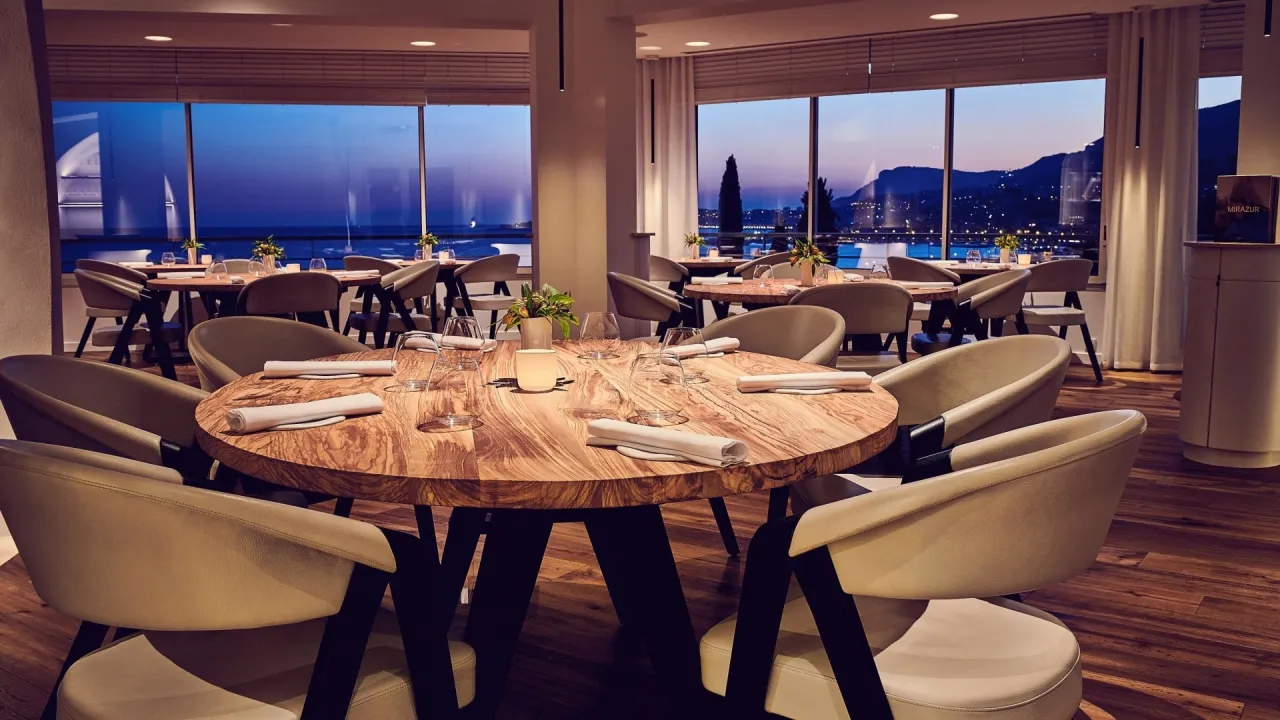
Khaberni - Amid ongoing security tensions and the pressures of war that burden the business sector, an economic report published by the Israeli site finance.walla revealed a "new" phenomenon hitting restaurants and cafes; where some customers take advantage of the launching alarm sirens to escape paying bills amounting to hundreds of shekels, claiming they had to run to shelters.
Exploiting the security chaos
According to the article prepared by analyst "Liat Ron," the phenomenon of customers leaving without settling the bill existed before the war but has now turned into "masked fraud" under the guise of an emergency..
The moments following the sound of the sirens witness a general confusion, where everyone rushes to secure themselves, which some see as a golden opportunity to leave permanently without returning to settle the account.
The site quoted the owner of a restaurant in Tel Aviv, saying: "On one occasion, a group of four people left the table as soon as the siren went off to enter the fortified area, but they never returned after the alarm ended, causing a loss of hundreds of shekels in a single meal."
Economic losses
The report pointed out that restaurant owners face a moral and operational dilemma; while some lean towards imposing a "prepayment" system to secure their rights, others reject this to maintain the relaxed and welcoming atmosphere that characterizes their restaurants.
Nevertheless, business owners affirm that these behaviors occur at a very critical time, as many of them are currently operating at a clear financial loss and continue to open only to maintain their employees and serve the local community.
Between "panic" and "greed"
According to the report, some cases might arise from genuine panic that leads the customer to take their car and leave immediately, and some have contacted later to pay, however, the majority exploit the disaster to eat and drink for free.
Restaurant owners describe these actions as "looting" that exacerbates the economic crisis suffocating the sector due to labor shortages, rising costs, and declining tourism and entertainment traffic.