Al-Jaghbeer: Chambers of Industry follow developments in the region and their impacts on the industry
Al-Jaghbeer: Continuous coordination with the government to overcome emerging challenges
Al-Jaghbeer: The Jordanian industry is capable of supplying the basic needs of the citizens
Al-Jaghbeer: National production provides sufficient stock and the markets are stable
Khaberni - The head of the Jordan and Amman Chambers of Industry, engineer Fathi Al-Jaghbeer, confirmed that the chambers are monitoring developments in the region and their impacts on Jordanian industry, explaining that there is ongoing coordination with the Prime Minister's office and the economic team in the government to solve any obstacles facing the production processes as a result of these events, especially in light of the slowdown in navigation through the Strait of Hormuz, praising the government's response to a number of industrial sector demands including fixing the freight tax and also canceling the exclusivity of container entry through the Aqaba port.
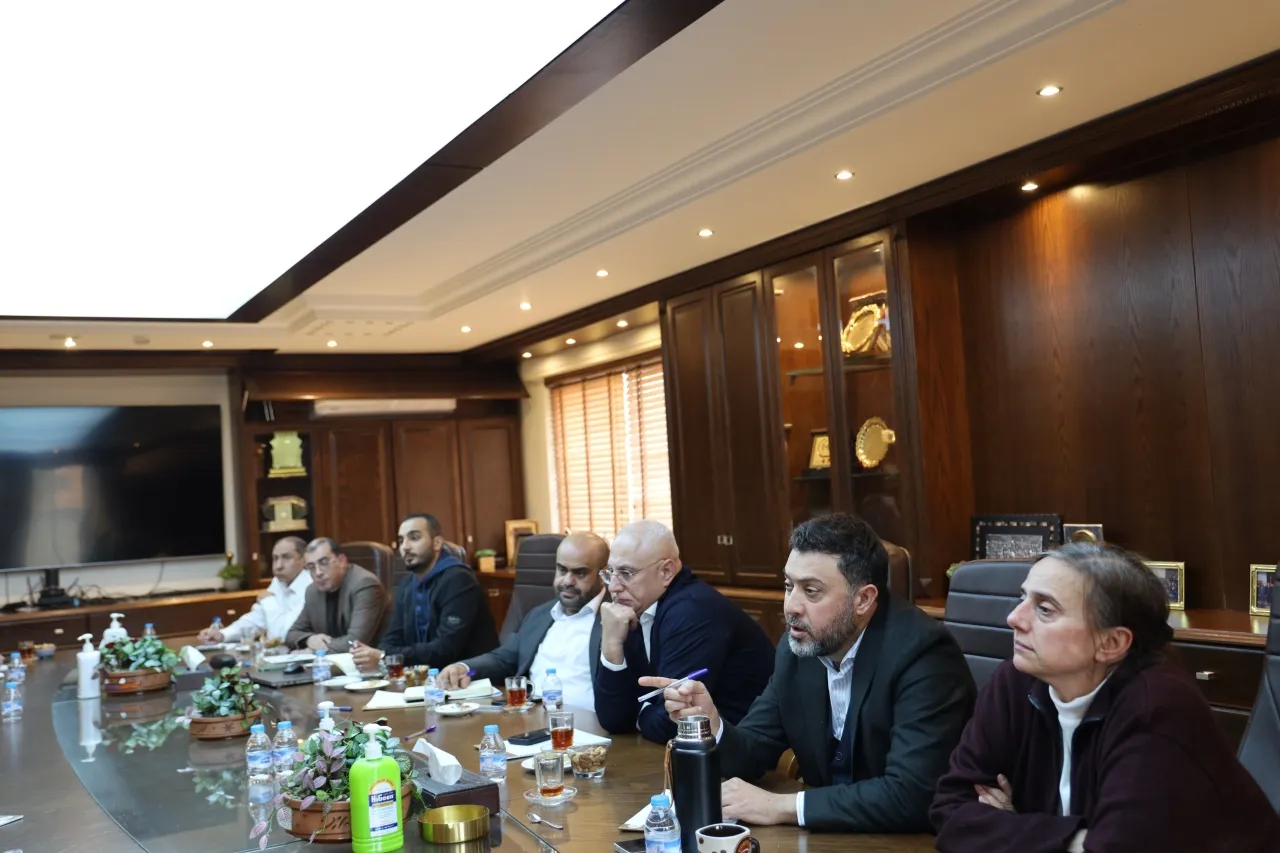
Al-Jaghbeer added during a meeting held at the Chamber of Industry, in the presence of several members of the board of directors of the Jordan and Amman Chambers of Industry, that Jordanian factories are operating at full capacity, to meet the necessary needs of Jordanian citizens, explaining that the Jordanian industry possesses the flexibility and experience that makes it capable of adapting to the existing conditions, as Jordanian factories have benefited from previous crises, and built a sufficient strategic stock of raw and intermediate materials to ensure continued work for several months without interruption, despite the slowdown in navigation, where the Jordanian industry proves once again that it is a safety valve for providing goods and basic needs in the most difficult conditions, in the presence of a strong national industrial base that forms the main cornerstone of the national economy with more than 24.3% of the total national economy and thanks to its production capacity which exceeded 17 billion dinars with more than 1,500 industrial goods from various sectors, reflecting its real weight in the structure of the national economy, and that the national industry is not just a complementary sector, but a basic pillar of the national economy and a safety valve in the face of external shocks.
Al-Jaghbeer noted that the local market enjoys a high degree of readiness and stability in the face of any potential consequences, as the national industry has proven during previous crises – starting from the Corona virus pandemic in 2020, and up to the logistical challenges associated with the closure of Bab al-Mandab – its ability to secure more than 60% of the local market's needs for basic goods without recording any significant interruptions. Not only did the impact of that phase ensure continuity, but it contributed to reinforcing the confidence of the Jordanian consumer in the national product, which has become the preferred choice for a wide segment of citizens compared to imported products, after proving its high quality, effectiveness, and ability to meet market needs efficiently and with stability. This reflects a qualitative shift in the behavior of the local consumer, and consolidates the position of the national industry as a main and reliable source for meeting local demand.
In addition to all this, Jordan enjoys logistical flexibility supported by the multiplicity of trade partners, the possibility of switching to alternative maritime and land transport routes, in addition to having a storage and industrial infrastructure capable of increasing operational capacity when necessary. The relevant authorities, in coordination with the private sector, monitor the market movement daily, ensure the fluidity of supply, and prevent any monopolistic practices or possible price imbalances.
Regarding Jordanian industrial exports, Al-Jaghbeer explained that the Chambers of Industry coordinate with all official entities to ensure the smooth flow of Jordanian goods to global markets. We follow any logistical obstacles that may occur at border crossings or ports, and look for immediate alternatives and solutions to ensure the national product reaches its final destinations without significant delay that may affect international export contracts.
Al-Jaghbeer added that the events in the region may force global shipping companies to take longer and more expensive alternative routes, which directly affects the time of arrival of products and raw materials, as we are currently witnessing an increase in insurance costs on shipments, "which puts additional pressure on the costs of import and export.
Al-Jaghbeer called for the concerted national efforts and support of the local product to enhance self-reliance, confirming that the Chambers of Industry will remain in permanent session to serve the sector and overcome all obstacles resulting from this regional crisis.