Khaberni - Jordan's Minister of Industry, "Yarub Al-Qudah," stated that there is no need to purchase candles or kerosene burners or old lanterns.
Al-Qudah confirmed in radio statements on Wednesday that the Kingdom has a safe stockpile of essential food commodities, emphasizing that there is no justification for panic buying or hoarding, despite ongoing military operations in the region.
Al-Qudah mentioned that the military operations in the region have reached their twenty-sixth day, indicating that the wheat stockpile in the silos is about 550,000 tons, which is equivalent to a six-month supply starting from March 24, 2026.
He added that the experience during the COVID-19 pandemic contributed to the development of mechanisms for monitoring the strategic inventory on a daily basis, noting that the current figures are better than they were during the pandemic.
He explained that the wheat stockpile, which includes quantities in storage and what is en route or in the countries of origin, is sufficient for ten months, noting that even if all ships were to stop and no new shipments entered, the amounts available inside the Kingdom would be sufficient for six months.
He added that the barley stockpile is sufficient for four and a half months, while the contracted quantities cover an additional four months, meaning the total barley stockpile is sufficient for about nine months.
Al-Qudah pointed out that the sugar stockpile is sufficient for two and a half months, rice of all types for four months, as well as sunflower and corn oils for more than two months, while palm and soy oils last for four months.
He added that feed corn used for poultry is sufficient for more than four months, lentils for six months, fava beans for six months, and powdered milk for four months, confirming that there is no commodity whose stock is less than two months at the traders.
He indicated that supply and distribution chains are functioning normally, and the proof is that the current inventory levels are close to what they were at the start of the war, explaining that if the replenishment had stopped with continued consumption, a shortage would have manifested, but continued supply has maintained stable figures.
Al-Qudah revealed that the number of ships that arrived or are expected to arrive in Jordan from March 1 to the end of the month totals 47 container ships, and the number of containers that have been emptied during March and are expected to be completed by the end of the month is about 72 thousand containers (20 feet). He noted that in March 2025, the number of container ships that were unloaded at the port of Aqaba was 49 ships, meaning the current figures are close to last year’s figures, which indicates the continued efficiency of the supply chains.
He emphasized that the most critical phase in any military operations is the first ten days, noting that the Kingdom has passed this stage without significant price increases, despite coinciding with the month of Ramadan, thanks to daily market monitoring and around-the-clock staff operations.
He explained that shipping companies raised the costs of shipping and transportation significantly at the beginning of the crisis, where the cost of a container (20 feet) rose from about 2000 dollars to between 3500 and 4000 dollars, but the impact of this is limited because the value of the goods inside the container can reach about 400 thousand dinars, making the increase on the goods not exceed between 7 and 10% in some cases, noting that many goods today are priced lower than they were in Ramadan, while prices for other goods have risen slightly.
Al-Qudah stressed that there is no justification for hoarding goods, explaining that hoarding usually occurs in the event the state is directly involved in the war or if supply chains stop, confirming that the current situation is completely the opposite, and that after 26 days of military operations, there is no cause for concern or panic.
He pointed out that the ministry has intensified market supervision, where auditing operations are conducted on wholesale distributors and retail traders by comparing current prices with those three weeks ago, to ensure no unjustified increases, as well as monitoring cases of refusal to sell.
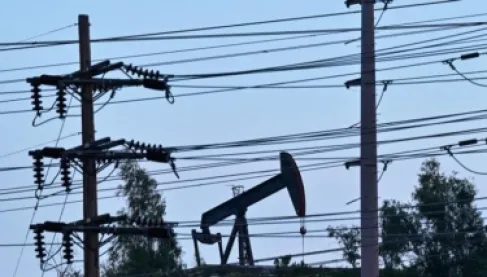
Regarding the increased demand for candles, Al-Qudah confirmed that there is no need to buy large quantities, noting that the government has confirmed that there will be no power outages, and that petroleum derivatives are sufficient for two months, as well as some brotherly nations considering exporting their oil through Jordan, which indicates no shortfall in oil imports. He added that a small minority is exploiting the sudden rush of citizens to buy candles.
He also confirmed that there is no justification for rushing to buy kerosene burners or lanterns, emphasizing that there are no measures that warrant concern among the citizens.
He noted that one of the dairy companies offered discounts during Ramadan, during which prices were reduced, and once the offers ended, prices returned to their previous levels, which does not constitute an actual price increase.
Al-Qudah concluded by affirming that the inventory is available and supply chains continue to operate normally, urging citizens not to hoard or panic buy goods.