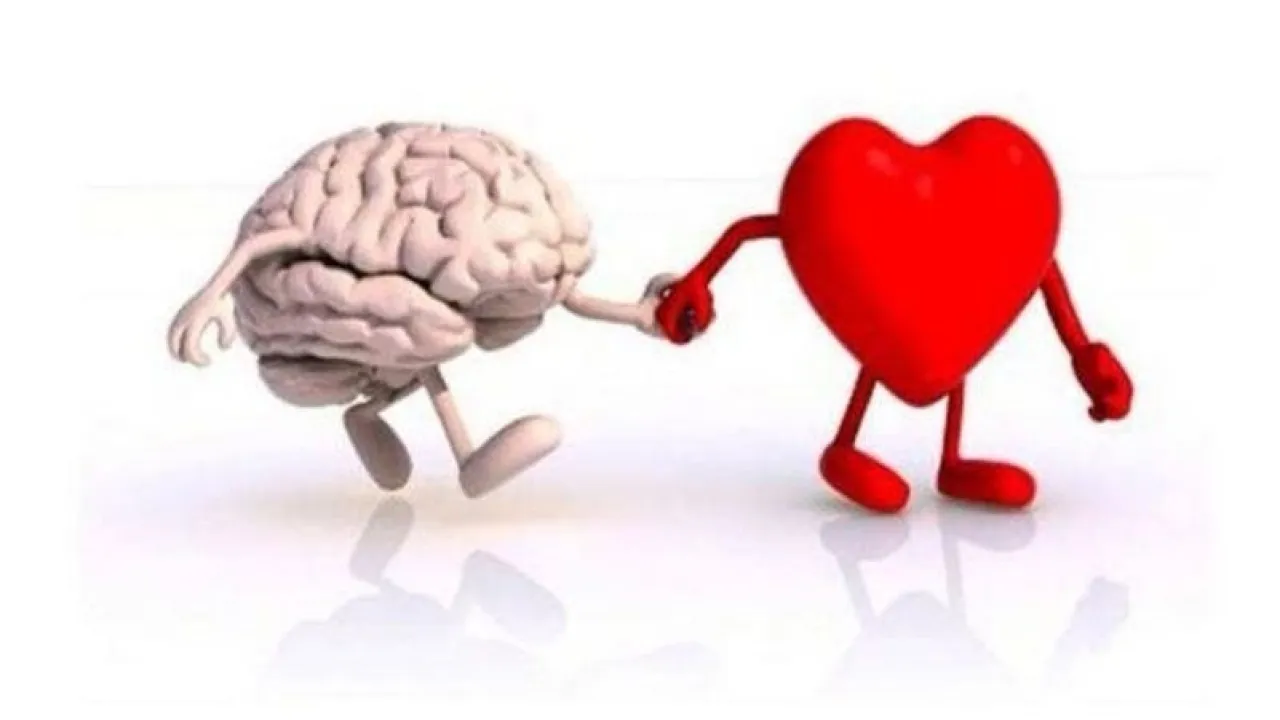
Khaberni - What many classify as habitual overthinking often reflects a deeper psychological skill: the ability to accurately analyze emotions, social cues, and their consequences.
According to a report published by "Forbes" magazine, the characteristic often criticized heavily in modern self-improvement culture is overthinking. Individuals are advised daily to stop overanalyzing situations, to trust their intuition more, and to reduce their focus on minute details. However, according to psychological research, although rumination can be harmful if uncontrolled, not all reflective thinking is necessarily problematic. In fact, some habits that might outwardly seem like overthinking could indicate high levels of emotional intelligence.
Emotional Intelligence
Emotional intelligence refers to the ability to understand one's own feelings and the feelings of others and to manage and respond to them effectively. People with high emotional intelligence are usually more attentive to emotional information and more cautious in interpreting social situations. Although this attention might sometimes seem like overthinking, when it is deliberately and constructively directed, it actually reflects a high capability for internal thought processing.
There are three habits of this kind that often unconsciously indicate strong emotional intelligence, according to psychological research, as follows:
The first habit: Replaying conversations
Many make the mistake of mentally replaying a conversation after it has ended, reanalyzing what was said and responded to. A person with high emotional intelligence may reexamine the dialogue and wonder if they understood the other person's tone correctly, or if their response could have been more insightful.
This might seem like unnecessary overanalysis at first glance. After all, what has been said has been said; no point in rehashing it. However, according to psychological research, this type of reflection often serves a crucial purpose.
According to research published in the journal "Personality and Individual Differences" on emotional intelligence, individuals with high emotional awareness are more likely to engage in what is known as emotional evaluation, which is the process of interpreting emotional cues like voice tone, facial expressions, and context.
This type of reflective thinking enables two of the most important mechanisms in personal relationships: empathy and understanding of others’ viewpoints. Thus, individuals can better comprehend the feelings of others during interactions. By thinking back on previous conversations, they can assess the impact of their words on others, or whether there are cues they missed initially.
The second habit: Overthinking actions
There is also another habit often misclassified as overthinking: the tendency to consider multiple viewpoints before making a decision.
People with high emotional intelligence often pause to reflect on how their choices affect others, whether they are family members, colleagues, friends, or partners. They might mentally simulate various outcomes before responding to a sensitive message or resolving a conflict, which others may see as unnecessary.
In reality, this inclination is closely linked to understanding others' viewpoints, a cognitive skill associated with empathy and effective interaction with others. As shown in a study conducted in 2015 in the field of early childhood development and care, understanding others' viewpoints is a fundamental skill for learning cooperation, reducing personal conflicts, and promoting positive social behavior.
From the outside, a person who always overthinks others' feelings or reactions may seem hesitant or overly cautious.
But in reality, they are simply carefully evaluating the potential emotional consequences of their actions before proceeding – a kindness we all wish others would show more frequently.
The third habit: Overanalyzing reactions
The third form of "overthinking" involves analyzing one's emotional reactions. For instance, a person may be fully aware of their thoughts and feelings, like noticing an unusual disturbance during a meeting or abnormal tension after spending time with someone.
Instead of ignoring this feeling, a person with high emotional intelligence would first stop and reflect on what exactly they are feeling and why they feel this way. Was the reaction related to stress? Was it just a minor misunderstanding? Or could it indicate a deeper, unknown issue that requires their attention?
Psychologists refer to this aspect of emotional self-awareness as "labeling feelings," which is considered a key element of emotional intelligence. According to a study published in 2018 in the journal Emotion Review, the ability to distinguish and name emotions is a highly effective way to reduce their intensity, thereby facilitating their management.
From this standpoint, individuals who make the effort to better understand their emotional triggers are more capable of responding to them constructively, instead of with impulsive or maladaptive reactions. This type of self-reflection might be misunderstood as overthinking, but at the same time, it is a clear sign of psychological maturity.
Instead of suppressing uncomfortable emotions, people with emotional intelligence fully explore them before moving past them. This process reflects and enhances emotional intelligence simultaneously, highlighting behavior patterns that enable them to respond with greater awareness in future situations.