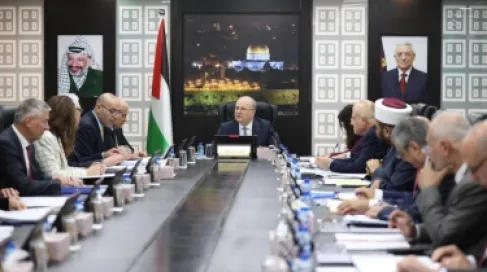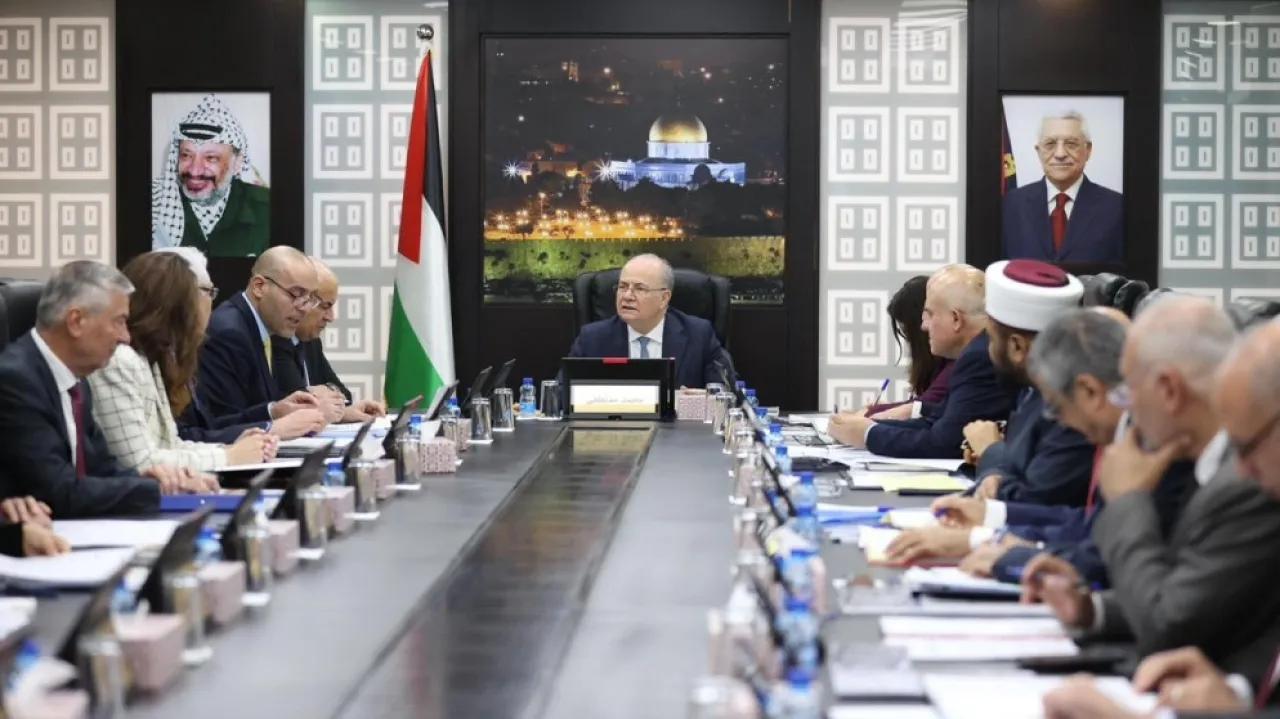
Khaberni - Prime Minister Mohammed Mustafa inaugurated the weekly cabinet session, putting council members in the picture of the political and diplomatic efforts invested in mobilizing more international pressure to stop the increasing crimes of the occupation and the terrorist settler gangs, which have affected 24 Palestinian villages over the past four days, within 11 waves of assaults, resulting in 23 Palestinian injuries.
These attacks also caused damage to 17 houses and facilities, due to arson and sabotage, in addition to damaging 26 vehicles and a car garage. These attacks were concentrated in the provinces of Nablus, Ramallah, Hebron, and Bethlehem.
In the same context, the Palestinian Cabinet renewed its call on the international community to take serious and immediate measures to stop these crimes and to hold the perpetrators accountable, directing the Ministry of Foreign Affairs and various diplomatic missions to intensify their efforts with all countries and international organizations in particular.
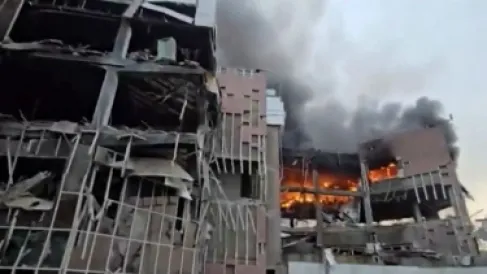
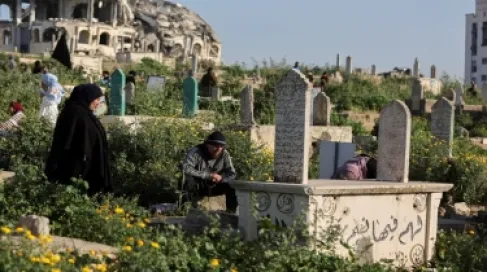
The Council also warned of the dangers of the ongoing violations by the occupation in Gaza, amid daily bombing and resulting massacres, besides documented cases of arrests and assaults against patients and travelers through the Rafah crossing, in addition to the worsening indicators of the unannounced famine.
The Council demanded the international community, particularly the countries guaranteeing the ceasefire agreement, to assume their responsibilities and to urgently act to stop these violations, and to hold the occupation accountable for its escalating breaches over recent weeks.
The Council also discussed the escalating violence against women and children, and the ongoing efforts to stop it, especially the crimes of the occupation that need to be documented and exposed internationally, alongside societal violations, the latest of which involved a woman killed by her husband, reflecting the urgent need to enhance legal protection and raise awareness about protection measures for vulnerable groups, especially women and children.
The Council affirmed the importance of expanding the benefits from the government-provided protection and counseling centers, alongside legal and psychological support services, with an orientation towards intensifying social and economic empowerment programs for these groups, to enhance their protection and resilience.
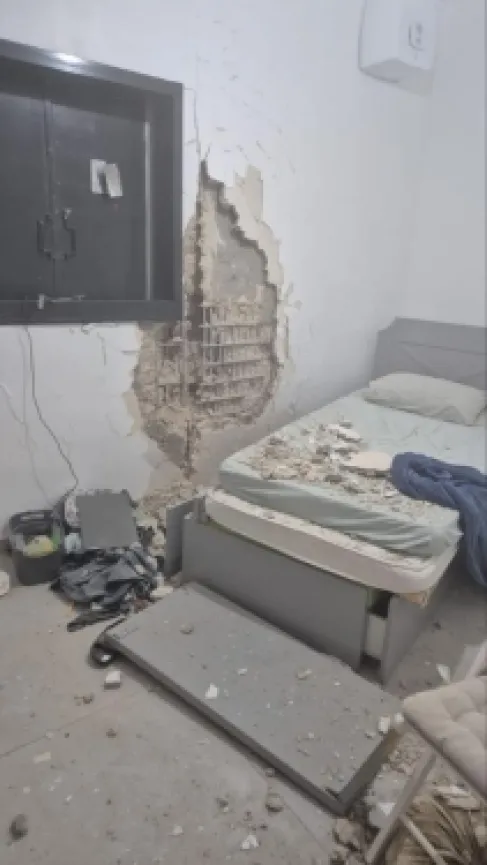
In light of the ongoing threats due to drops and shrapnel from projectiles, the Council emphasized the priority of student safety over any other considerations, stressing the need to adhere to prevention measures and instructions from the relevant authorities.
Furthermore, the Council directed the Palestinian Ministry of Education and Higher Education to develop and sustainably integrate remote education within basic education, and to take necessary steps to compensate for the educational loss.
Furthermore, the Council approved the formation of a national team for food safety, to enhance coordination among relevant ministries, and to formulate policies, update legislation, and carry out monitoring and inspection of food among various relevant authorities, ensuring integration and execution of strategic plans in the field of food safety.
Additionally, the Cabinet approved a request from the Energy Authority to adopt the costs of complementary works for the project to connect Beit Ola Station to the Hebron electricity network, and also approved procedures for purchasing services for the issuance of building permits for the Atara electricity transformation station, as part of accelerating the government's plan and initiative to enhance energy security in Palestine.
The Council also discussed, on a second reading, the schedule of fees for telecommunications licenses and services, and on a first reading, a draft regulation amendment for the system regulating nurseries and accompanying executive instructions for the year 2026, which aims to enhance monitoring and follow-up procedures for nurseries to provide a safe environment for children in early childhood.
Furthermore, the Council adopted a recommendation from the Board of Directors of the National Authority for Vocational and Technical Education and Training to select the Executive Director after a competitive process involving twenty candidates, emphasizing the importance of accelerating efforts to prepare a national strategy to enhance vocational and technical training in Palestine.
The Council also ratified an agreement to enhance the Palestinian national statistical system supported by the European Union, to develop the data system of the Central Statistical Bureau and its infrastructure, alongside utilizing data science and artificial intelligence.