Khaberni - Gasoline prices in the United States continued to rise, nearing four dollars per gallon, amid ongoing global energy market disruptions due to escalating tensions in the region.
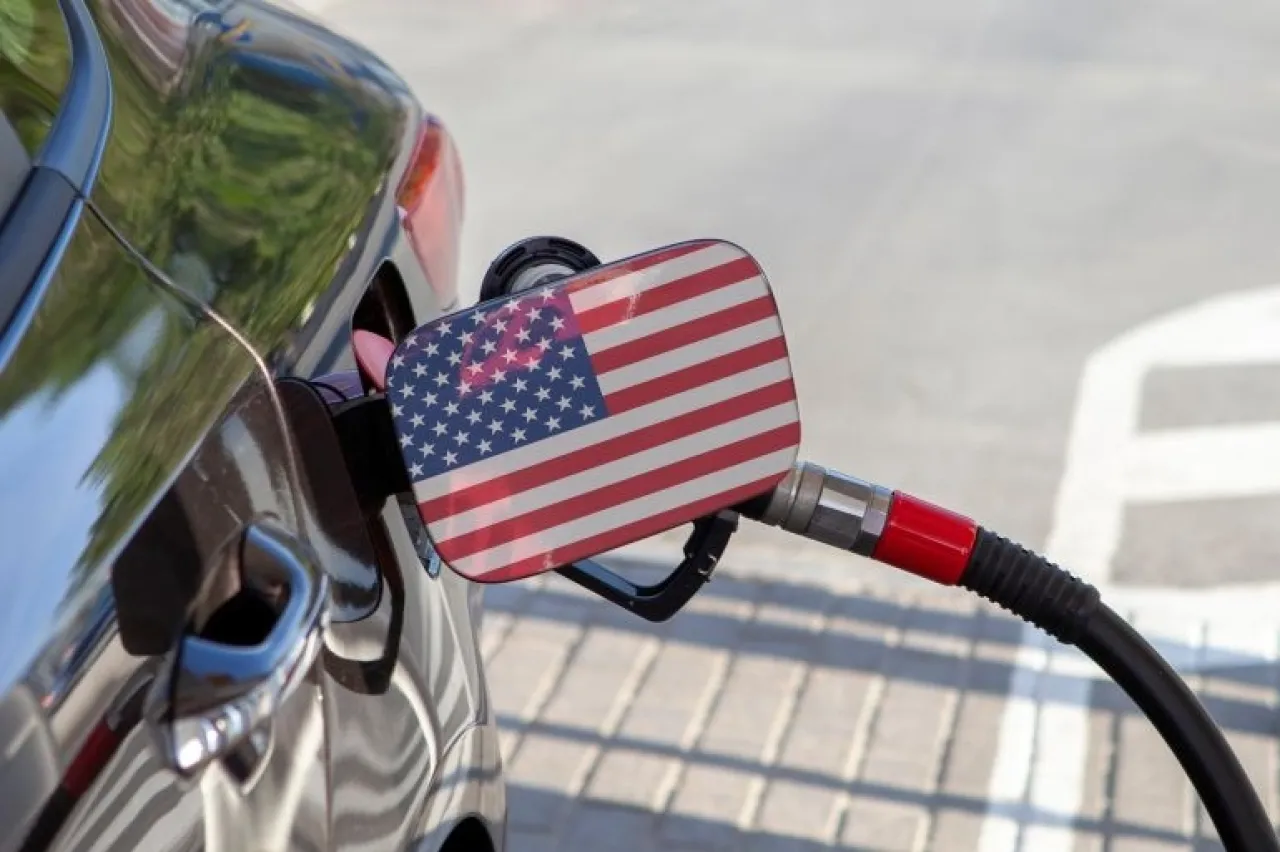
According to data from the American Automobile Association, the average gasoline price in the United States reached approximately $3.977 per gallon, an average price increase of 33.2 percent since tensions began in the region.
Gasoline prices vary significantly between U.S. states; in California, the average price reached about $5.82 per gallon (a gallon is approximately 3.785 liters) and is the highest in the country, while Oklahoma recorded the lowest at $3.26.
These data highlight a significant price gap, with some states experiencing increases of one dollar per gallon, placing additional pressures on the purchasing power of the American citizen who is already facing pre-existing inflationary challenges.
Regional tensions in the area caused a severe backlash that affected global energy markets, which directly reflected on the cost of living in the United States.
This increase reflects the heightened pressure on consumers within the United States amid continued volatility in the global energy market, which threatens more increases in the coming period if tensions continue without de-escalation.
As tensions entered their fourth week, gasoline prices surpassed three dollars per gallon across all U.S. states, an economic indicator that consumers have not experienced since 2023, reflecting market sensitivity towards the stability of the Middle East region especially considering the disruption of navigation in the Strait of Hormuz as a crucial factor in the recent price jump, since this strategic waterway routes about a fifth of the world’s oil and liquefied natural gas supplies.
According to energy experts, any threat to this vital artery immediately leads to increased costs of insurance and shipping, which the markets quickly translated into an increase in global crude prices and subsequently retail prices at American stations.
Should tensions continue, the impact is expected to extend to transportation and logistics costs, potentially leading to a broader inflation wave that includes basic goods, posing a challenge for American economic policymakers to balance military operation requirements and domestic economic stability.