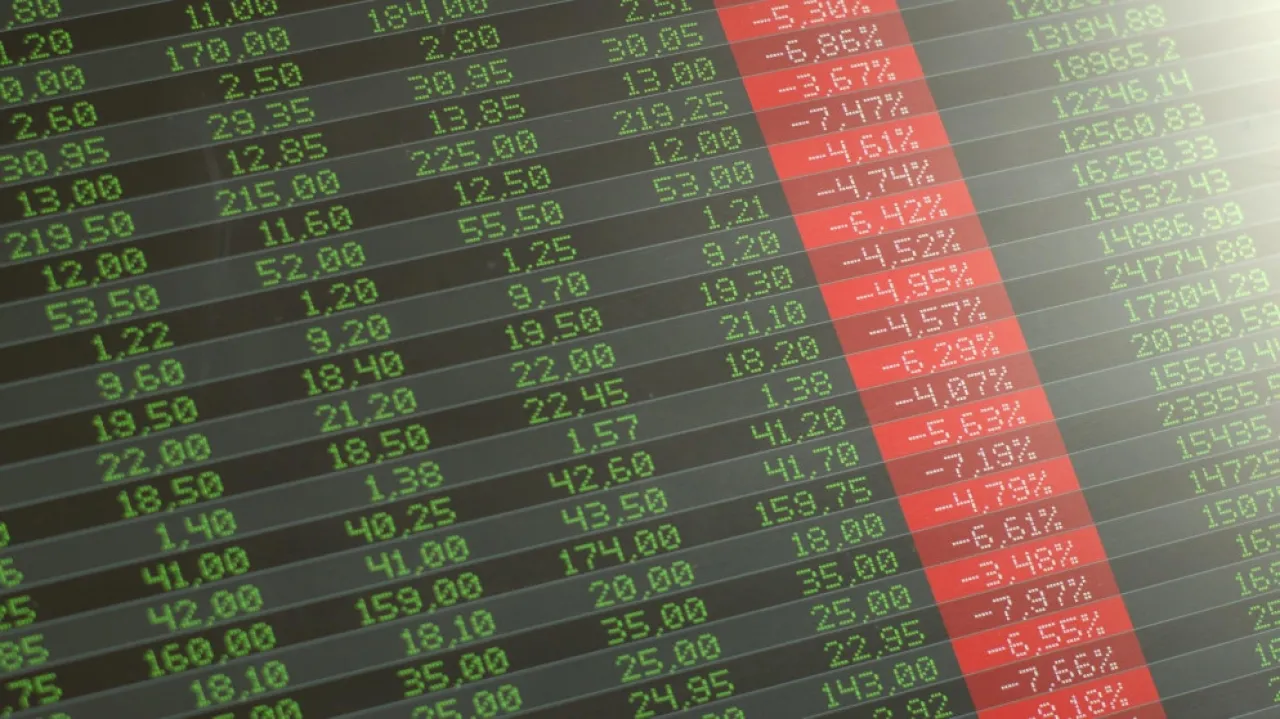
Khaberni - The Gulf markets closed mixed on Tuesday; Qatar continued its decline while other markets stabilized as investors analyzed the conflicting signals regarding the potential talks between the United States and Iran.
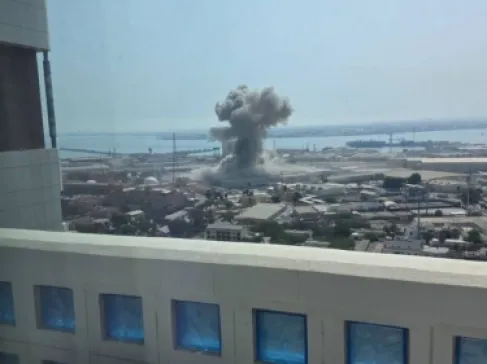
Volatility escalated after U.S. President Donald Trump postponed strikes on Iran's energy infrastructure and hinted at "fruitful" talks to end the U.S.-Israeli war on Iran, but Tehran denied the validity of his statements and described them as "fake news."
According to information conveyed by the Semaphore platform from a U.S. official, the United States will continue to strike Iran while only temporarily halting targeting of energy sites. The report added that Israel was not a party to Washington's communications with Tehran.
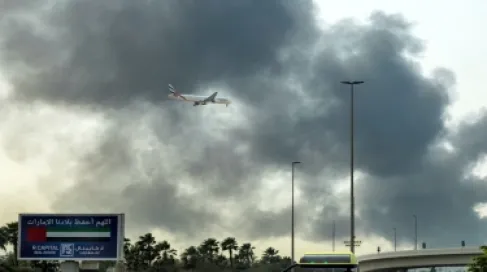
The conflict led to a sharp increase in energy prices and caused disruption to air travel and shipping movements through the vital Strait of Hormuz for exporting oil and liquefied natural gas.
The main index in Dubai rose to 4% before closing up 1.6%, driven by gains in heavyweight real estate and banking stocks. Emirates NBD stock jumped 7.3%, marking its second-largest gain in a trading day in more than a year, while Emaar Properties stock rose 4%.
In Abu Dhabi, the main index increased by 1.1%. Abu Dhabi National Energy Company stock rose 3%, and Two Point Zero Group stock climbed 5.1%.
According to London Stock Exchange Group data, Dubai’s index has reduced its losses since the start of the year to 9.5%, while Abu Dhabi’s index has fallen by 4.7%.
George Pavel, General Manager at Naga.com for the Middle East, said that any signs of de-escalation might push stocks higher given the strong local fundamentals in the UAE.
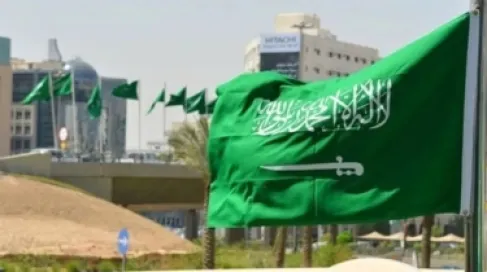
The main index in Saudi Arabia erased its early losses to close up 0.03%, supported by banking stocks. Al Rajhi Bank stock rose 3.3%, and Saudi National Bank stock increased by 3.1%. Saudi Aramco's stock fell 1.5% and Saudi Mining Company stock declined by 6.8%.
According to shipping data, crude oil exports from Yanbu port on the west coast of Saudi Arabia rose to nearly 4 million barrels per day last week, a sharp increase from levels before the war with Iran.
The main index in Qatar fell by 1.4%, with financial and energy sector stocks leading the losses. Qatar National Bank stock dropped 3.5% and Qatar Gas Transport Company (Nakilat) stock lost 5.4%. The Qatari Foreign Ministry stated that Doha is not mediating between Washington and Tehran, but it supports all diplomatic channels to end the war.
The main index in Oman rose by 1.9%, while the Bahrain index increased by 0.2%. The main index at the Kuwait Stock Exchange fell by 0.3%.
Outside the Gulf region, the leading stocks index in Egypt fell by 1.4% with Commercial International Bank stock dropping 4.3%.