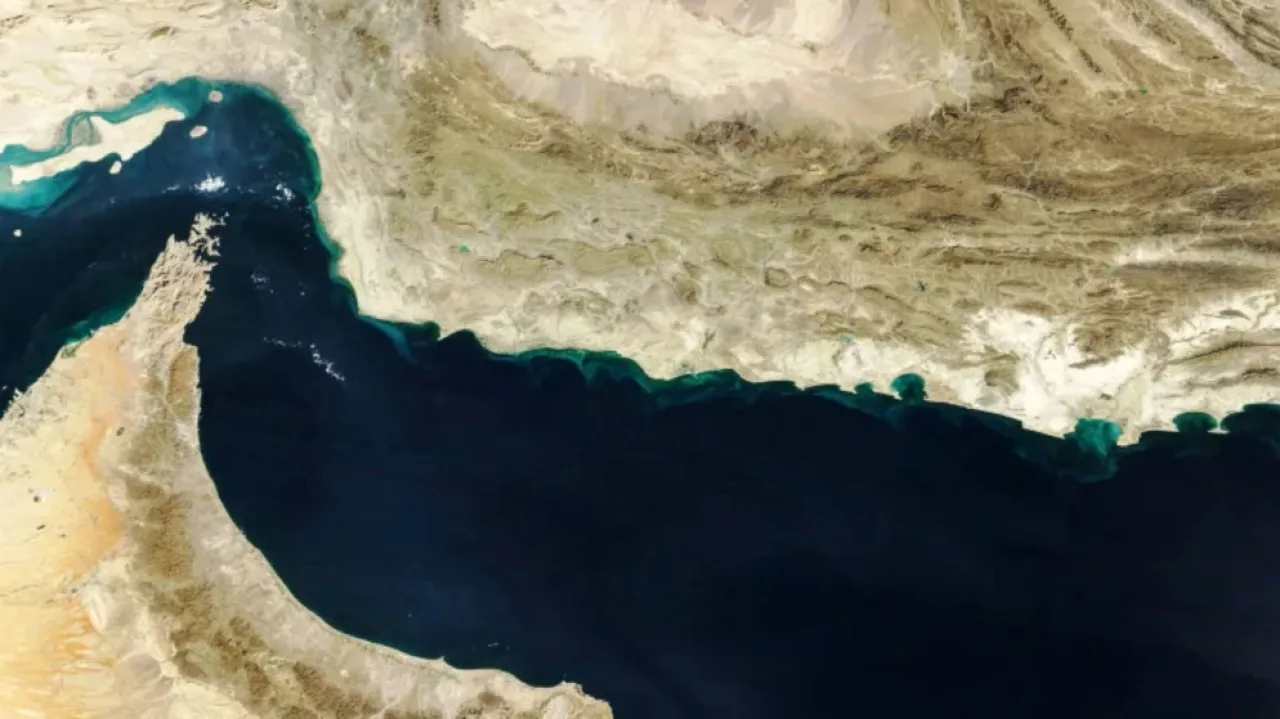
Khaberni - The head of the clearing and freight companies guild, Diafallah Abu Aqoula, mentioned that the Israeli-American war on Iran and the closure of the Strait of Hormuz impose challenges on supply chains and shipping costs globally, creating pressure on trade movements and, alternatively, providing Jordan with opportunities to enhance its logistical position and develop its role in regional supply chains.
Abu Aqoula added in a press statement on Monday that the operations at Aqaba port are proceeding normally so far, but the continuation of the crisis for extended periods could lead to increased shipping and energy costs, negatively impacting all sectors and increasing the cost of goods and services.
He mentioned that the pressure on land transport chains and clearance companies might increase if the crisis continues, necessitating preparations to handle any potential delays in the future.
He emphasized the importance of cooperation and collaboration between the public and private sectors to ensure the continued movement of goods, stating that the crisis represents an opportunity to unify efforts and enhance joint work to ensure the smoothness of supply chains and the continuity of local and regional markets.
Abu Aqoula called for the establishment of a supply chain monitoring committee chaired by the Minister of Industry, Trade, and Supply, which includes representatives from both public and private sectors, to assess risks regularly and create contingency plans to deal with any disruptions in supply chains and ensure a quick and flexible response to any changes in the global markets.
He pointed out that the private sector involved in supply chains is following developments through a committee formed at the Amman Chamber of Commerce, which also includes Jordan's Shipping Guild, the Freight and Clearing Companies Guild, the Logistics Guild, and the Truck Owners Guild, with continuous monitoring and coordination around the clock.
Abu Aqoula stressed the need to enhance cooperation between Jordan and Syria, Iraq, and the Gulf Cooperation Council (GCC) countries, and to work on removing all obstacles hindering the smooth flow of supply chains by allowing containers to pass through land routes without obstacles, cancelling the requirement that goods be palletized to facilitate transport, reducing fees for Jordanian trucks, and ensuring speed and efficiency in regional transport.
He explained that enhancing Jordanian-Syrian-Iraqi-Gulf cooperation in the fields of transport and trade contributes to stabilizing regional goods movements, as Jordan's and Syria's locations are strategically significant linking the Mediterranean Sea and the Red Sea.
Abu Aqoula noted that the continuation of the war and the closure of the Strait of Hormuz also affect Jordanian exports and local industries, as companies face increased shipping costs and possible delays in the arrival of goods and raw materials necessary for industrial production.
He added that there is concern about delays in the arrival of raw materials and essential goods for Jordanian industries, which may raise production costs and affect future local market prices, with the possibility of price increases in the production countries.
He affirmed that Jordan is working on developing alternative export and import routes to ensure the continuity of trade and industrial flow with minimal costs and in the shortest possible time. These alternatives include land transport through Syria and Lebanon to Mediterranean ports for exporting goods and accessing European and global markets more quickly, and marine linkage between the port of Aqaba and the Red Sea, with enhanced transport lines to GCC ports to reduce time and costs, benefiting from Jordanian-Syrian-Iraqi-Gulf regional cooperation to ease container passage, reduce customs fees on Jordanian trucks, and simplifying clearance procedures to ensure goods delivery and raw material import efficiently.
He indicated that these alternatives would help protect the competitiveness of Jordanian exports, support local industries, and reduce dependence on traditional maritime routes that could be affected by regional crises.
Scenario of the closure of the Bab el-Mandeb Strait
Abu Aqoula explained that if the Bab el-Mandeb Strait, in addition to the Strait of Hormuz, were to be closed, Jordan would be affected in terms of supply chains, making essential raw materials for Jordanian industries harder to reach in terms of time and cost, which would increase production costs and affect local goods prices.
He added that Jordanian exports would face additional challenges due to the halt of oil and goods tankers transiting the Red Sea, necessitating the use of alternative land routes through Syria and Turkey to reach the Mediterranean or using Egyptian ports, despite the increased transport costs and extended travel time.
According to the "Strategic Navigational Report," the journey from Shanghai increased from 6100 nautical miles to 9500 nautical miles, resulting in delays ranging from 10 to 13 days, the journey from Singapore now takes 25-27 days instead of 15-17 days, and trips from Jebel Ali in the UAE recorded the highest percentage of time delay, as the duration of the journey increased from 6-8 days to 20-24 days, with an increased distance of 4800 nautical miles.
The ongoing war between the United States, Israel, and Iran has forced shipping lines to impose a series of additional fees under various names to cope with geopolitical risks, including mandatory detour fees ranging from $700 to $800, additional emergency fees that reached up to $3500, war risk fees ranging from $1500 to $3500, and conflict emergency fees between $2000-$4000, in addition to emergency fuel surcharges, reflecting directly on the costs of importing and exporting.
Abu Aqoula emphasized that this scenario necessitates enhancing the strategic stock of raw materials, developing emergency logistical plans, and enhancing regional cooperation to ensure the continued movement of goods and minimize the impact on the national economy.
He mentioned that among the potential risks are increased energy and fuel prices, increased sea shipping costs, and delayed arrival of goods, in addition to the pressure on traders and clearing and transport companies, especially small and medium-sized ones.
The strategic opportunities for Jordan
Abu Aqoula affirmed that Jordan can turn the crisis and challenges into opportunities, indicating that the Kingdom can enhance its role as a regional logistic hub, ensuring the continued movement of goods, supporting local industries, and protecting national economic interests.
He said that the current indicators show a stable and reassuring situation, with no observed shortages in various types of goods, nor any price increases in the Jordanian markets so far.