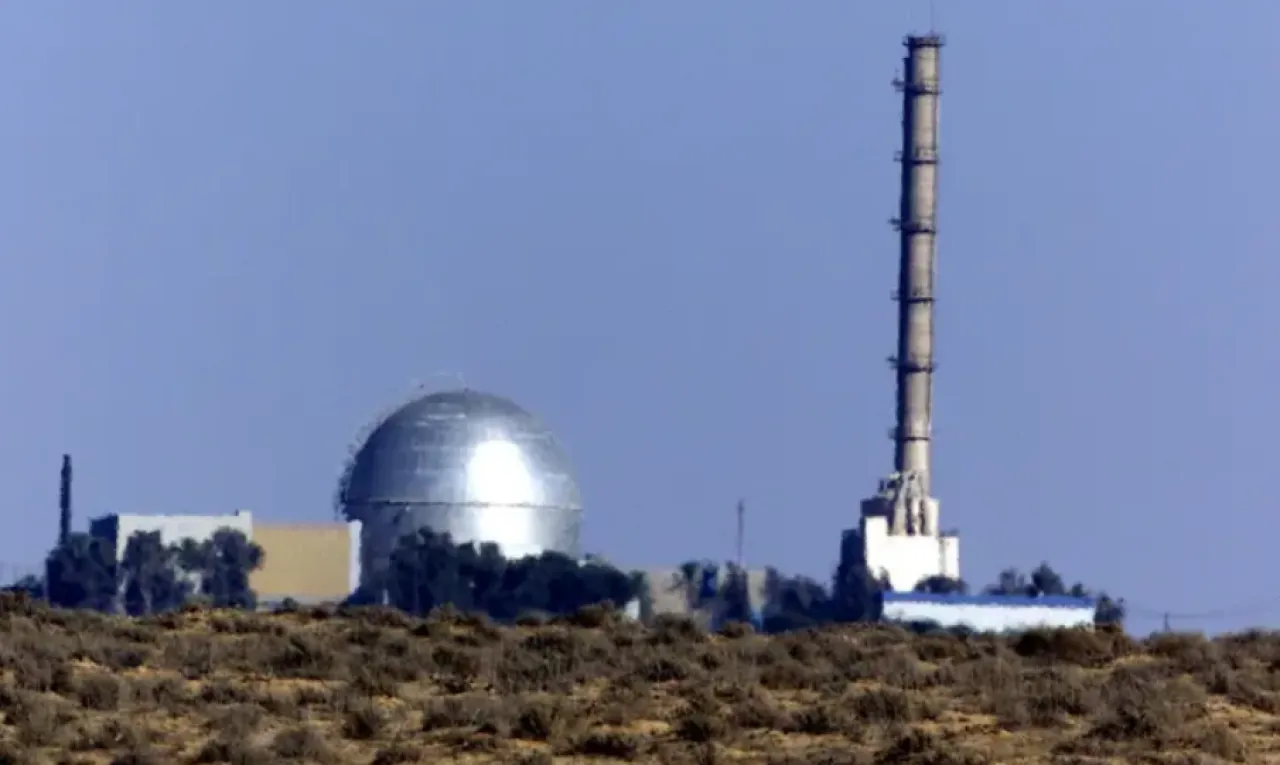
Khaberni - In light of the accelerating military escalation in the region, questions have increased regarding the ramifications of what is happening in the vicinity of the Israeli Dimona reactor, and the possibilities of risks associated with any potential targeting of the nuclear facilities.
In this context, experts have emphasized the need to deal with these developments based on a precise scientific reading, away from exaggeration or underestimating the threats.
In light of these developments, Dr. Amjad Al-Wakil, the former head of the Nuclear Stations Authority in Egypt, explained that dealing with the developments related to the vicinity of the Dimona reactor must be based on accurate scientific understanding, away from exaggeration or underestimation of the risks.
The Egyptian nuclear expert emphasized that any assessment of developments related to the reactor should be based on clear scientific foundations, especially amidst the military escalation the region is witnessing.
Also, Al-Wakil, a member of the executive board supervising the construction projects of nuclear power stations in Egypt, highlighted in a post on his Facebook page that targeting nuclear facilities does not lead to a "nuclear explosion" similar to atomic bombs, clarifying that this scenario is not feasible from a technical standpoint, due to differences in design and operation between reactors and nuclear weapons.
He added that the potential danger, in the worst scenarios, involves a radiation leak due to damage to cooling systems or containment of the reactor, indicating that such cases can be dealt with according to specified scientific protocols.
He pointed out that geographical factors contribute to reducing risks, explaining that the northwest winds of the Eastern Mediterranean typically push any potential radiation cloud away from the population density in Egypt, towards lesser dense areas east or southeast.
He also affirmed that distance represents an additional safety factor, as the Dimona reactor is located about 70 to 80 kilometers away from the Sinai borders, and more than 400 kilometers from Cairo and the Delta, allowing for the natural dispersion of radioactive materials in the atmosphere and decreasing their concentration.
Al-Wakil mentioned that Egypt possesses a sophisticated national radiation monitoring system that operates around the clock, capable of detecting any change in radiation levels immediately, which supports swift decision-making according to clear international standards in emergency situations.
The danger of radiation accidents
He explained that assessing the danger of any radiation incident depends on a set of main factors, including the type and quantity of released radioactive materials, the wind direction and speed, weather conditions such as rain, the elevation of the radiation cloud, the nature of the terrain, along with the speed of response and preventive measures, such as staying indoors or using iodine pills.
He concluded that anxiety under such circumstances is understandable, yet scientific data indicates that the effects, if they occur, are limited in scope and manageable, affirming that Egypt possesses strong geographical and technical safety factors that enhance its ability to deal with any potential developments.
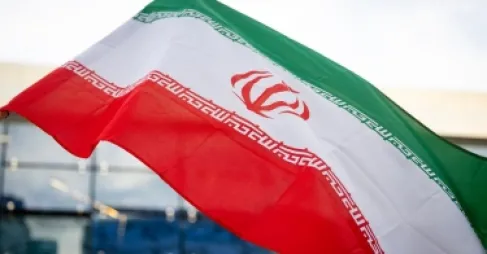
On the other hand, Israeli media reported on Saturday evening that six people were killed and dozens injured due to an Iranian missile hitting the city of Arad in southern Israel, hours after reports of injuries in Dimona, within the context of recent escalations and on-field developments.
The Israeli military acknowledged the failure of intercepting the Iranian missile in Dimona, announcing an investigation to determine the causes of this failure, while Israeli media reported that more than 80 people in Dimona were injured as a result of the missile attack, along with damage to a building from the bombardment.